Drywall Repair After Plumbing, Electrical & HVAC Work
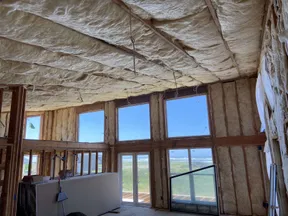
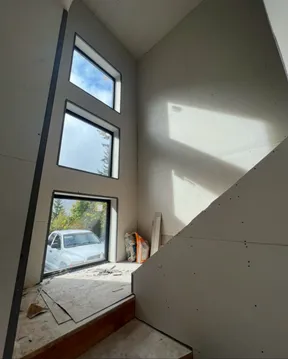
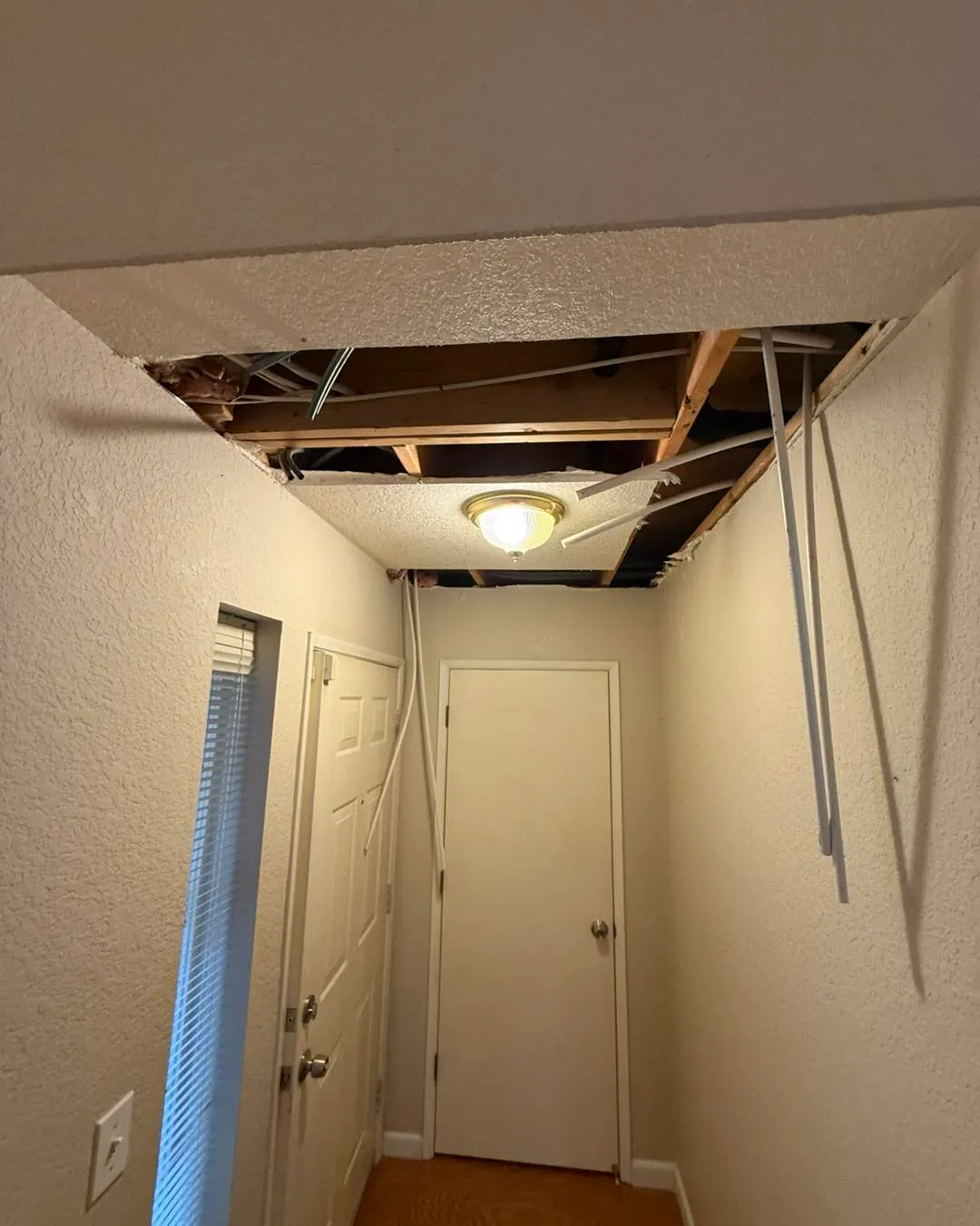
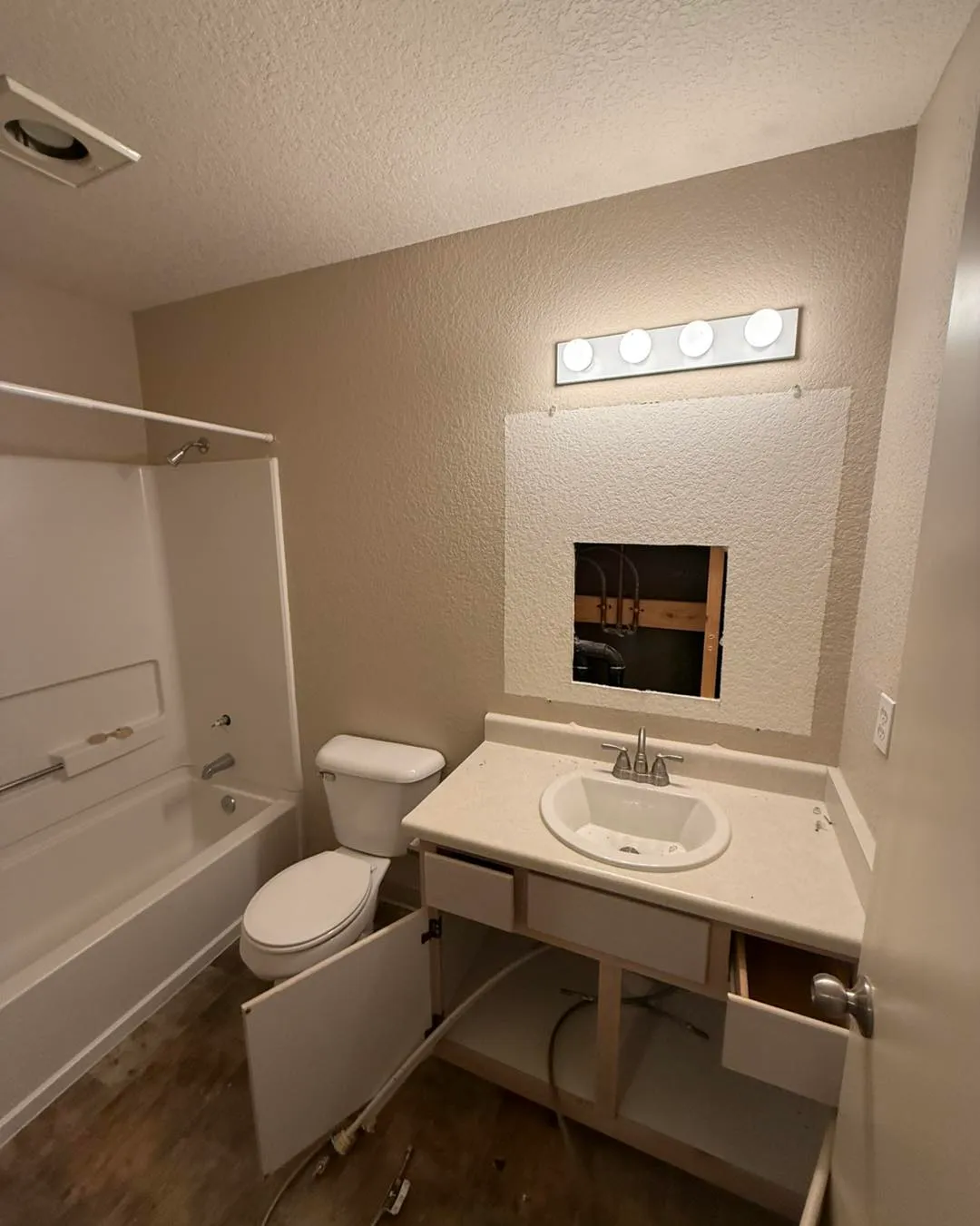
The plumber's job ends with new pipes. Ours starts there. AvilaCo Drywall handles drywall repair after plumbing, electrical and HVAC work across Vancouver, WA, Battle Ground, Hazel Dell and the rest of Clark County. Repipe channels cut down a hallway ceiling. A wall opened behind a vanity. A garage panel swap that took out three feet of board. A duct run through a bedroom ceiling. We close all of it, from open stud bay to a wall you can't read. Board, tape, coats of mud, texture matched to what's already there, primed and painted.
Free Quote for Drywall Repair After Plumbing
No strings. We respond within 24 hours.
Free Quote for Drywall Repair After Plumbing
No strings. We respond within 24 hours.
Who fixes the drywall after a plumber? We do
Most plumbers, electricians and HVAC contractors tell you up front that they don't patch. They cut the access they need, do their work, and hand the room back with open stud bays in it. That's normal. Cutting drywall and finishing drywall are two different trades. Drywall repair after plumbing work is what our crew does every week across Clark County, and we take the job all the way from the open hole to a painted wall.
- Whole-house repipe access holes in walls and ceilings
- Panel swaps, subpanels, and new circuit chases
- Recessed can retrofits and abandoned fixture holes
- Duct runs, returns, and mini-split line set cuts
- Insulation and vapor barrier reinstalled before the board goes on
- Knockdown, orange peel, skip trowel and smooth texture matching
- Prime and paint to a clean boundary
- Debris haul-out and daily cleanup
Drywall repair after a whole-house repipe
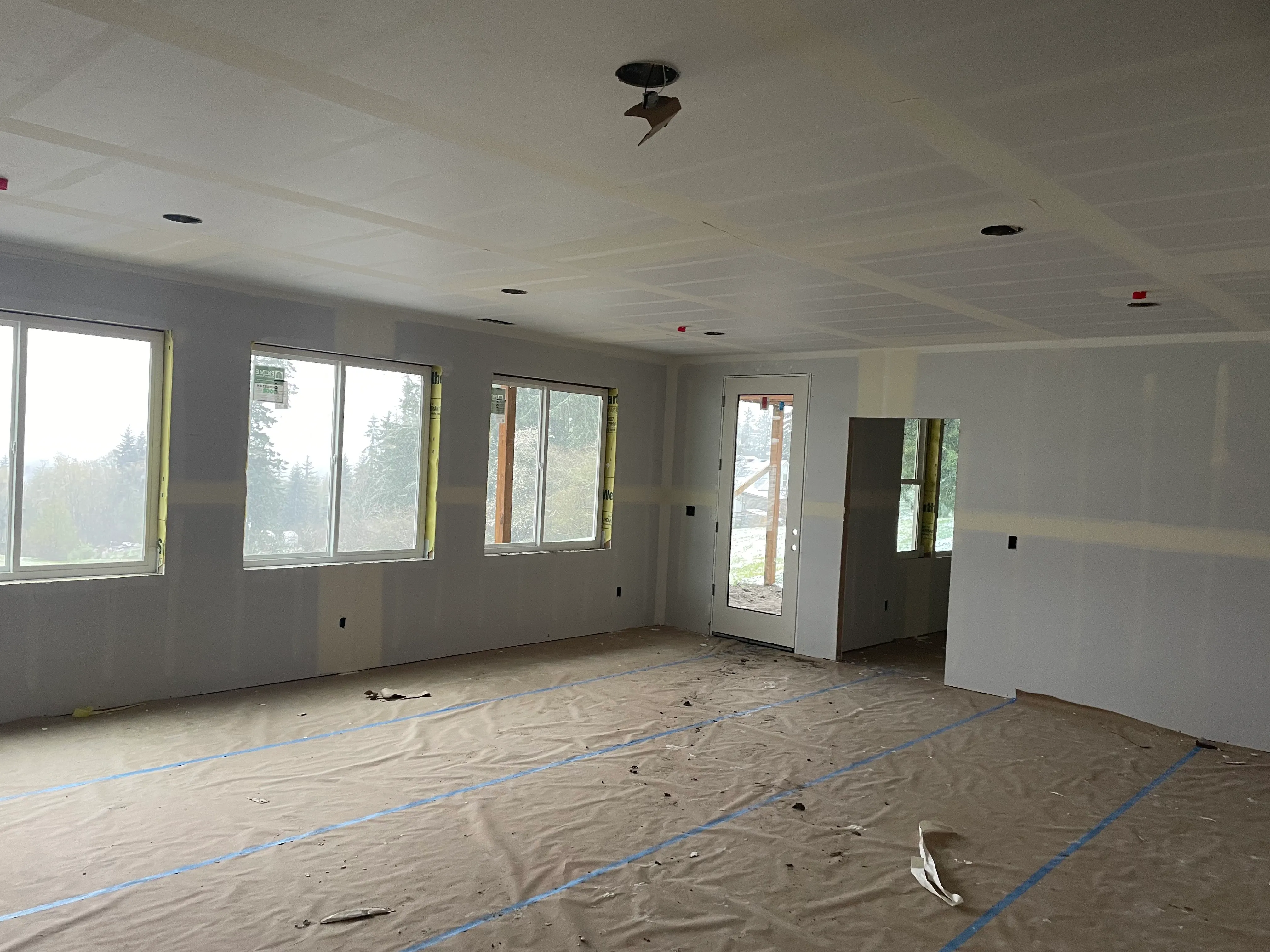
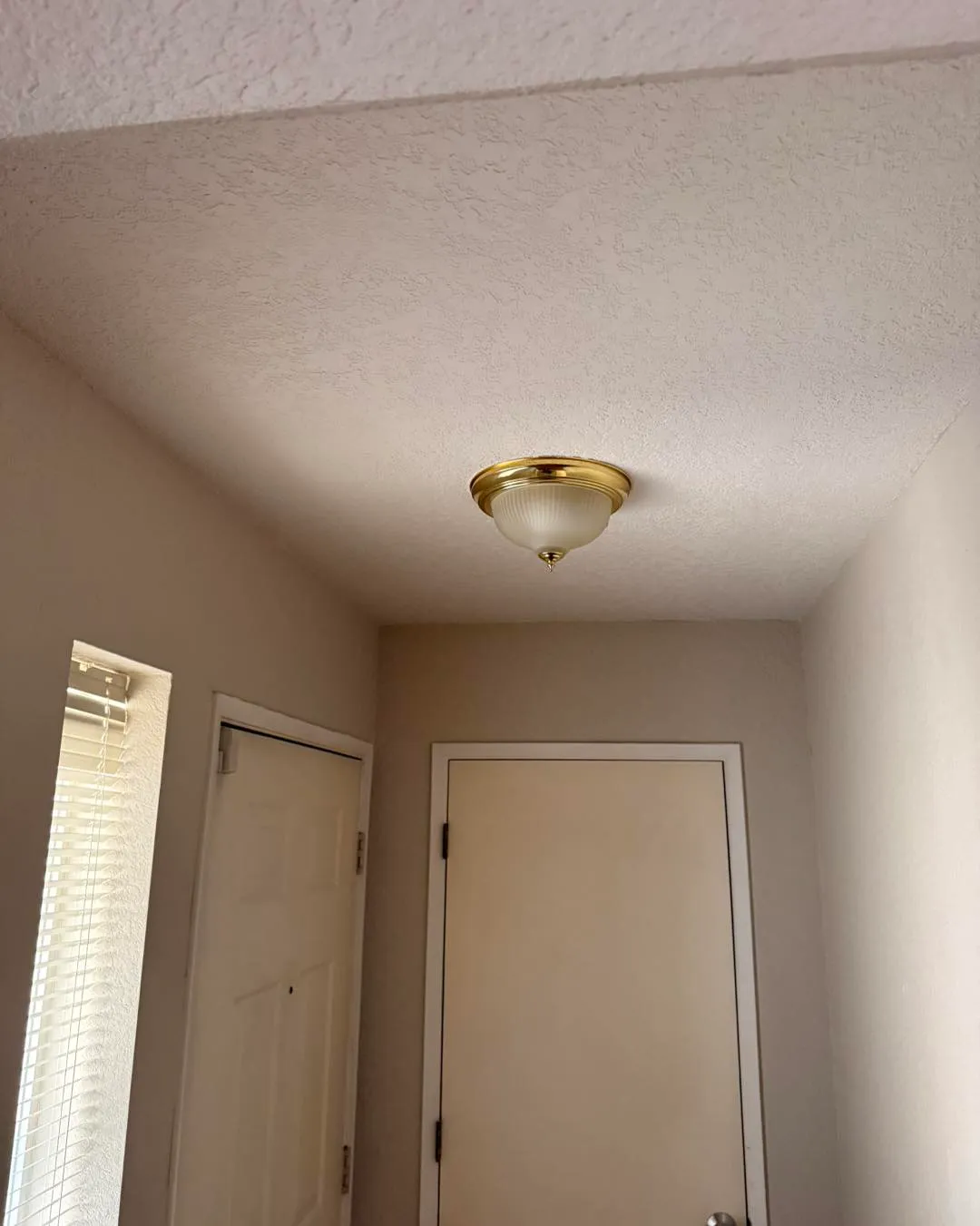
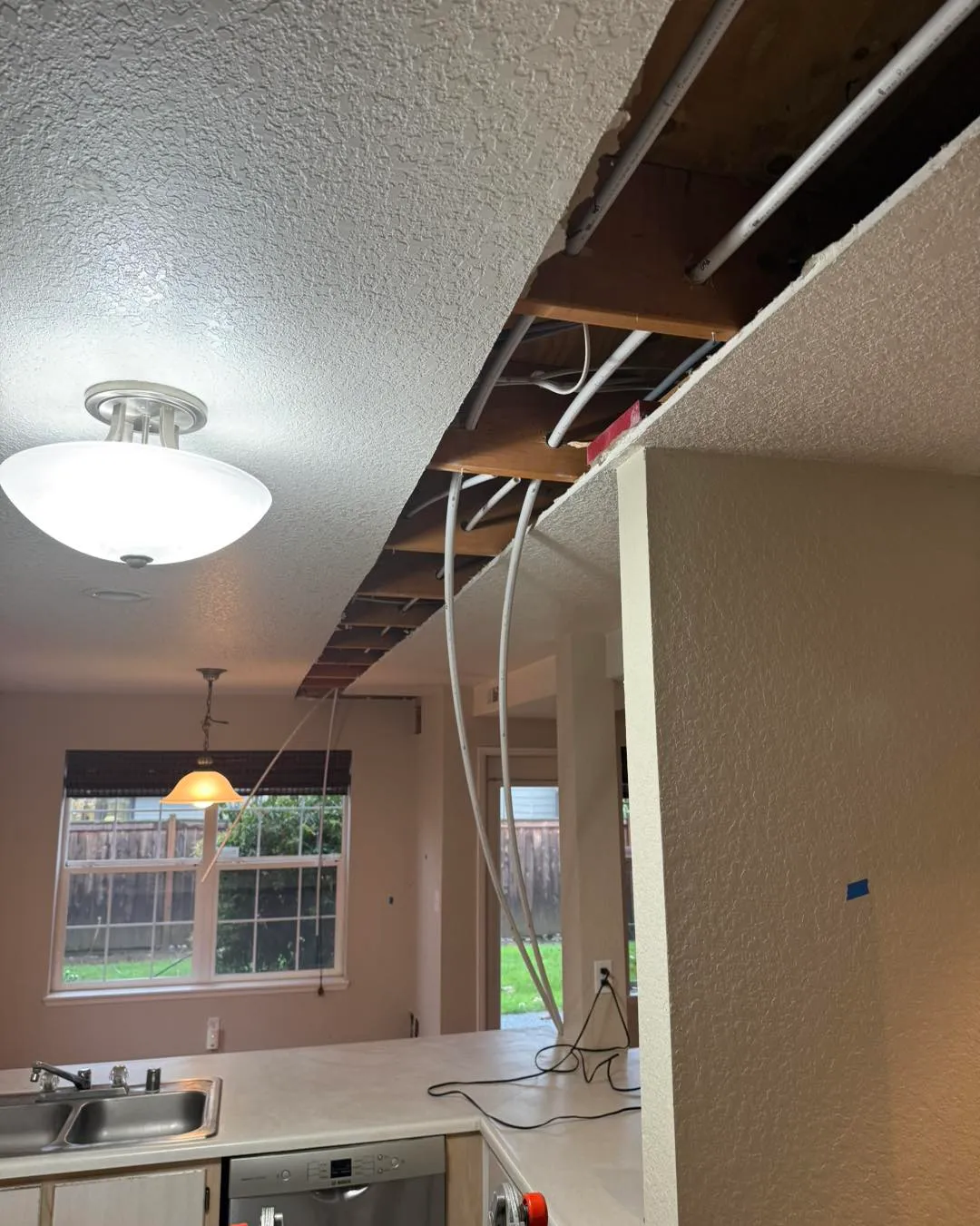
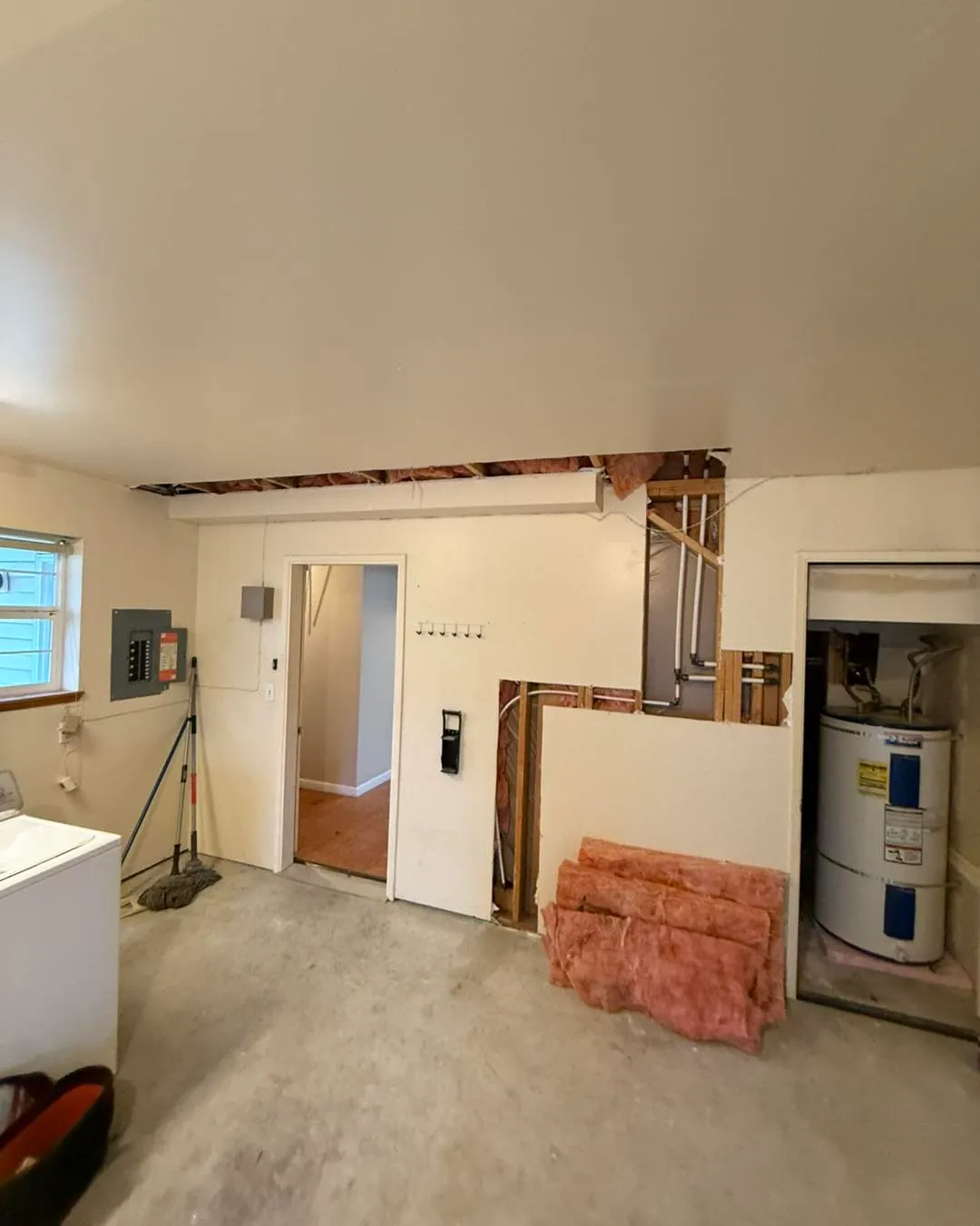
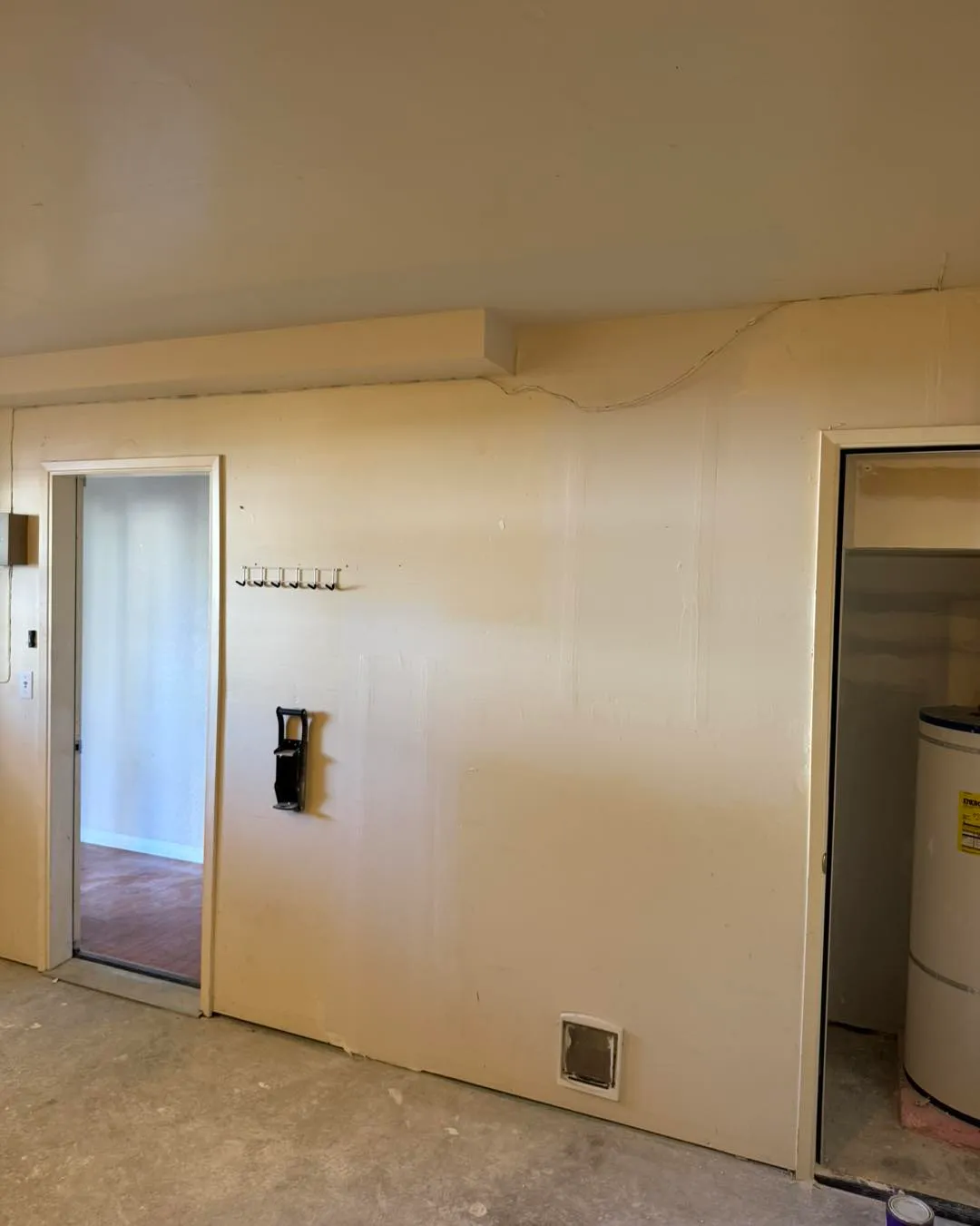
A whole-house repipe leaves more openings than homeowners expect. On a two-story house in Clark County, ten to twenty-plus is normal, and they land in predictable places. The hallway ceiling takes the long channel cut where the trunk line runs. The kitchen ceiling opens up under a second-floor bathroom. Every vanity wall gets a cutout, so does every tub and shower valve wall, plus the laundry wall and the framing around the water heater.
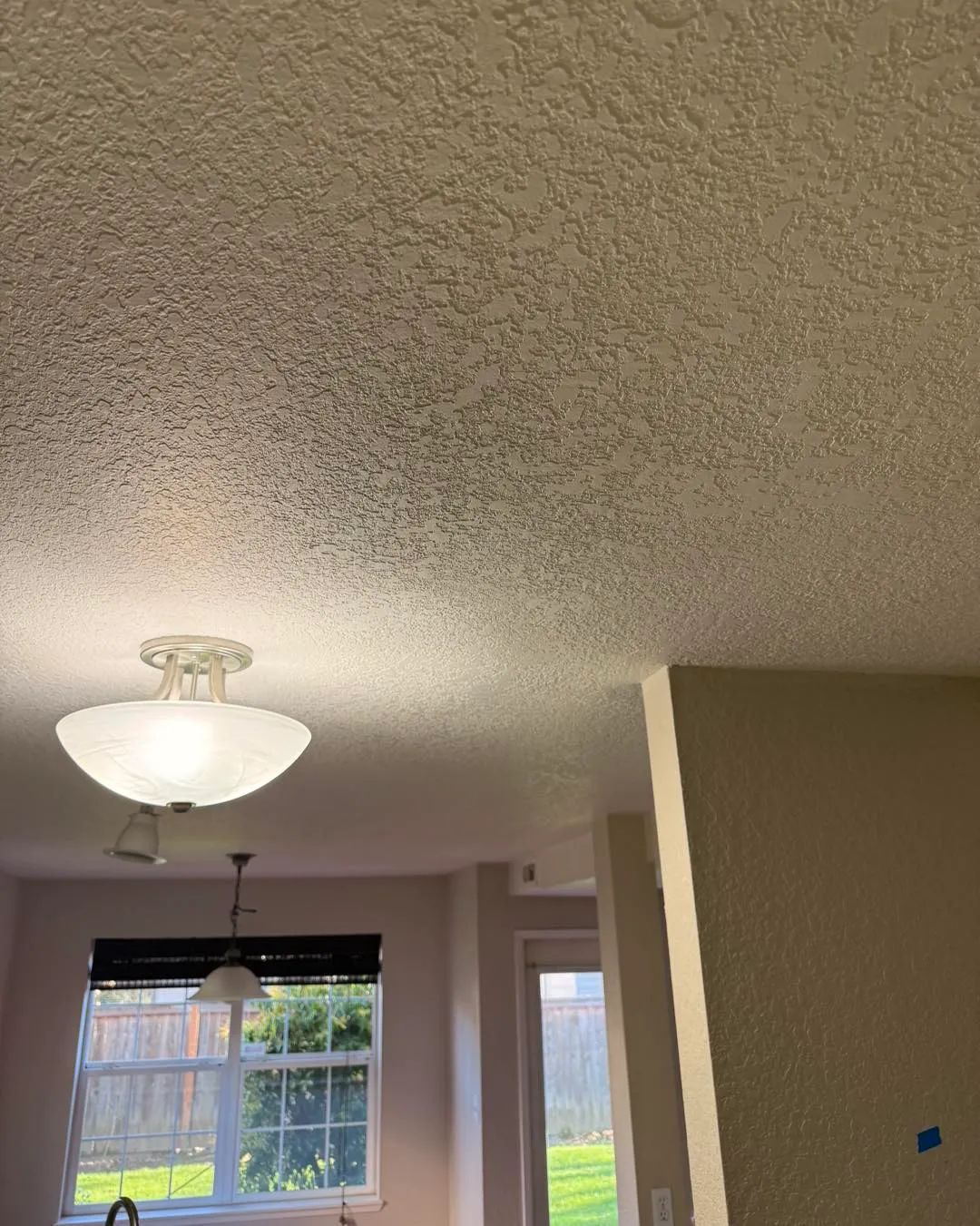
Drywall repair after plumbing at that scale isn't a patch-kit job. On the house in our plumbing repipe drywall restoration case study, the channel across the kitchen ceiling alone ran ten feet. We install wood backing behind every open edge so new board has something solid to land on, hang board cut to fit each opening, tape the joints, and build up two to three coats of joint compound with a sanding pass between coats.
Ceiling openings are the ones that decide whether the repair reads. Light rakes flat across a ceiling and shows every ridge a wall would forgive, so we feather wider and check the surface under a work light before any texture goes on.
Drywall patch after electrical work
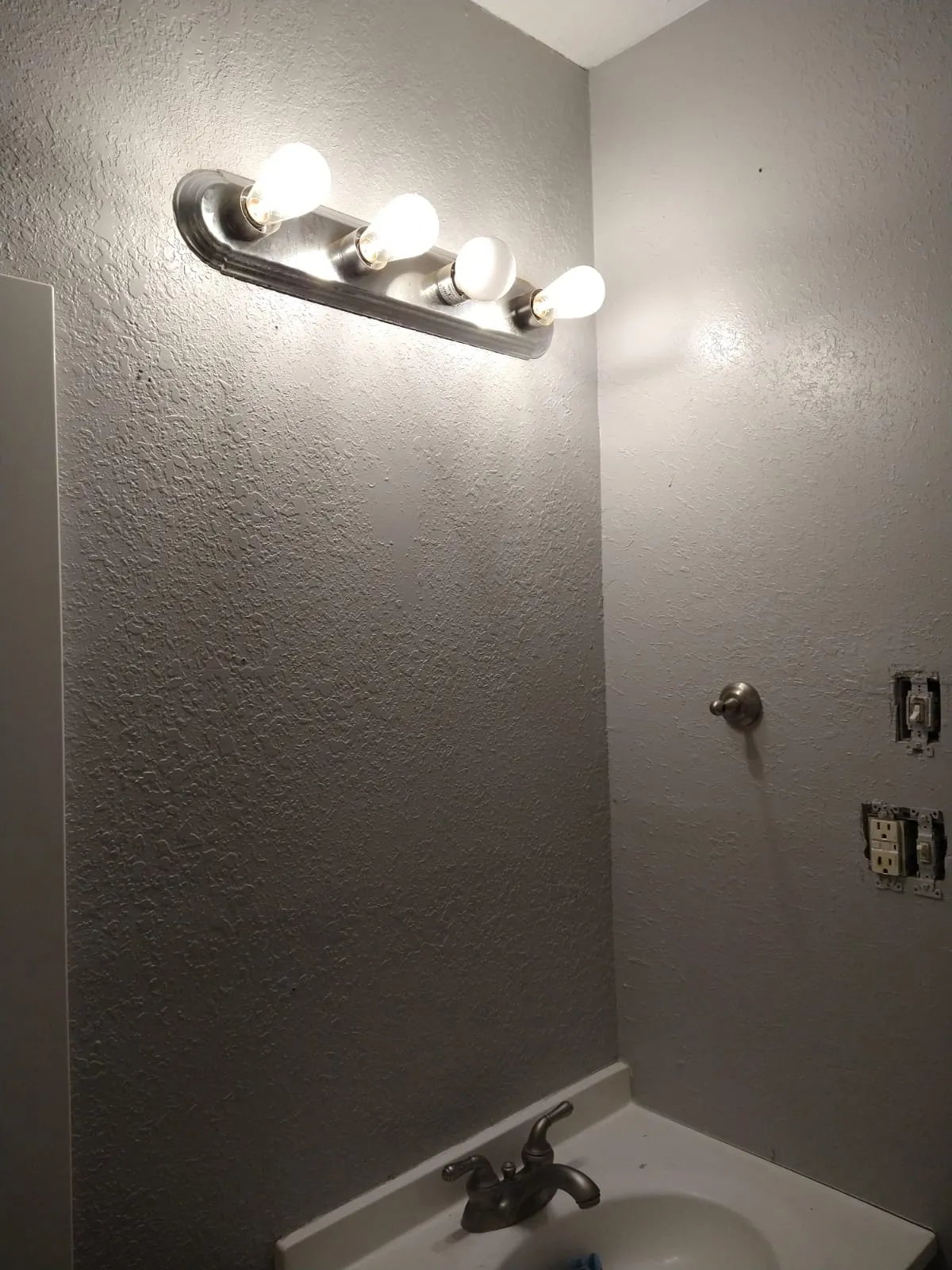
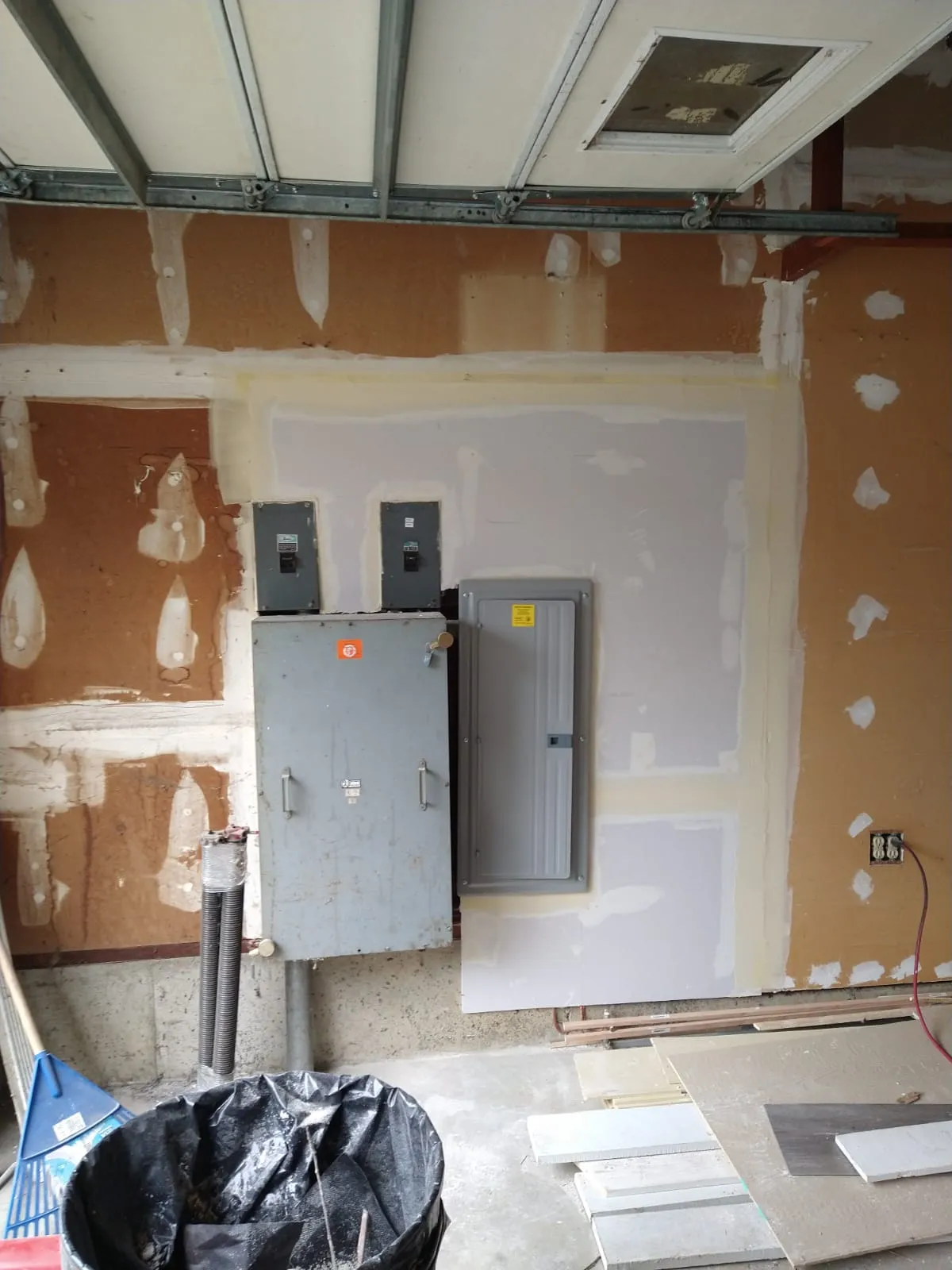
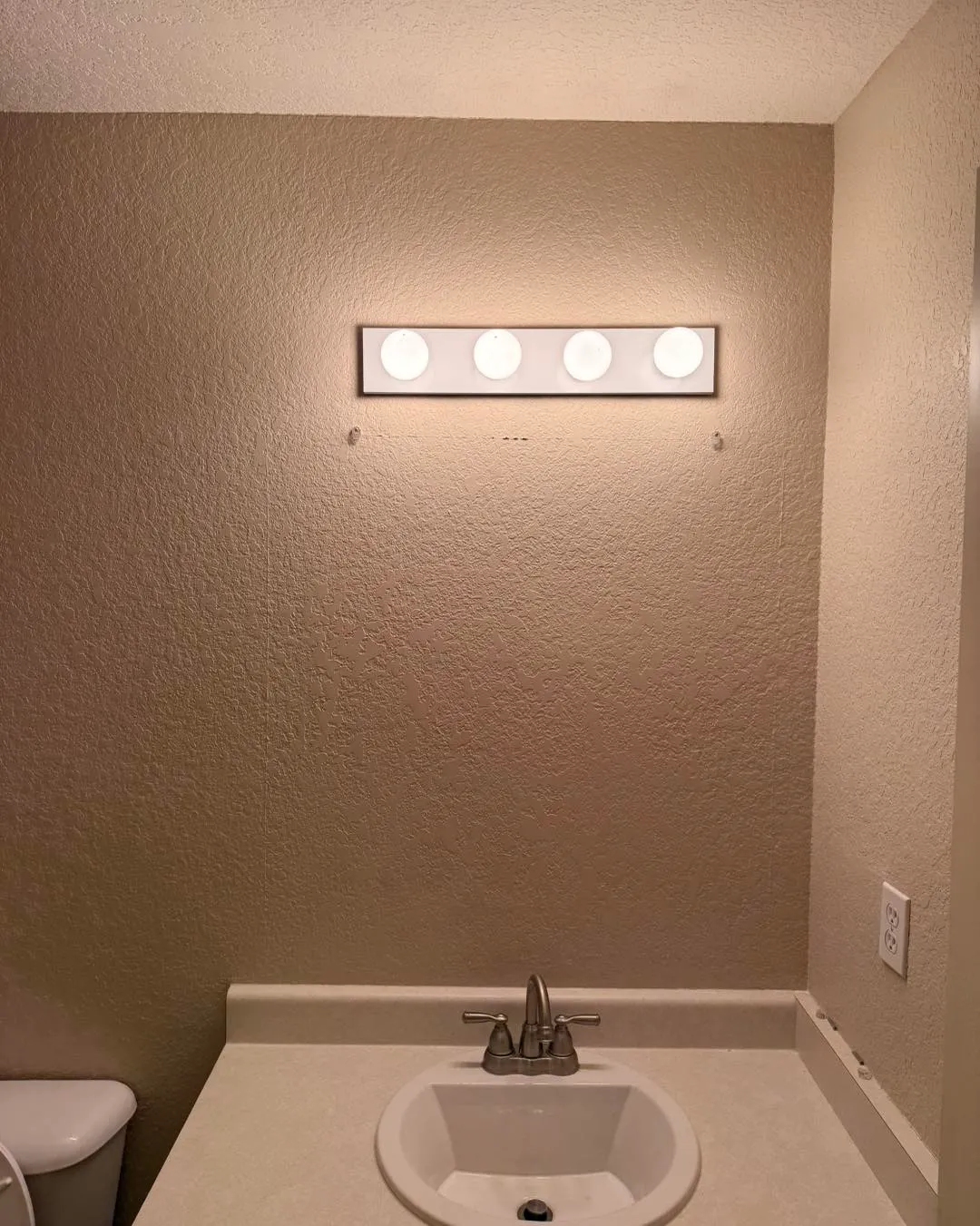
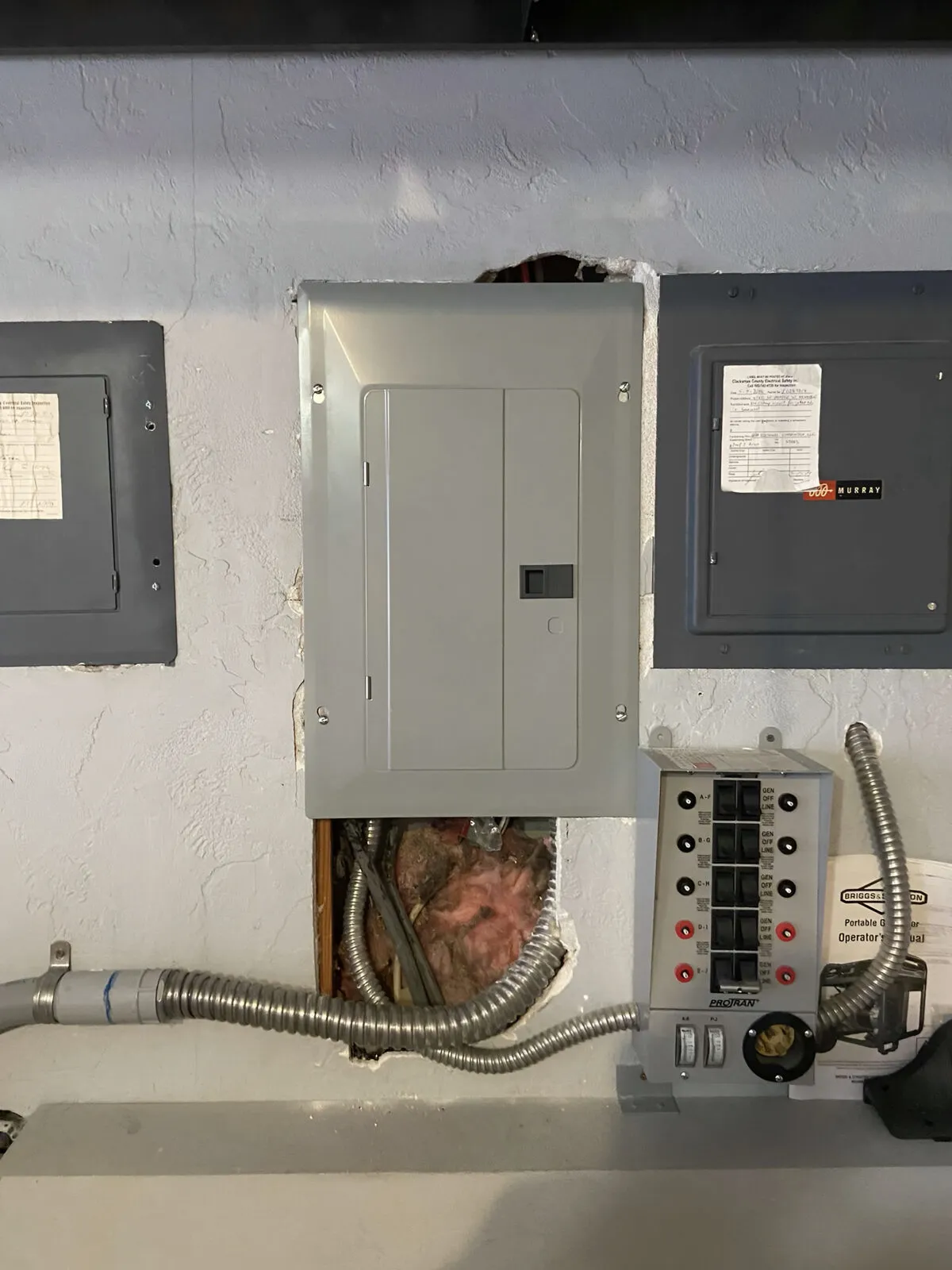
Electricians cut smaller holes than plumbers and a lot more of them. A panel swap takes out the board around the panel plus a strip above it where the new feeders come in. Adding a circuit means a chase up the wall and a box cut wherever the outlet lands. Recessed can retrofits leave a ragged ring in the ceiling at every light, and abandoned cans leave a six-inch round hole each. Low-voltage runs for network, speakers and cameras open a small square at every drop.
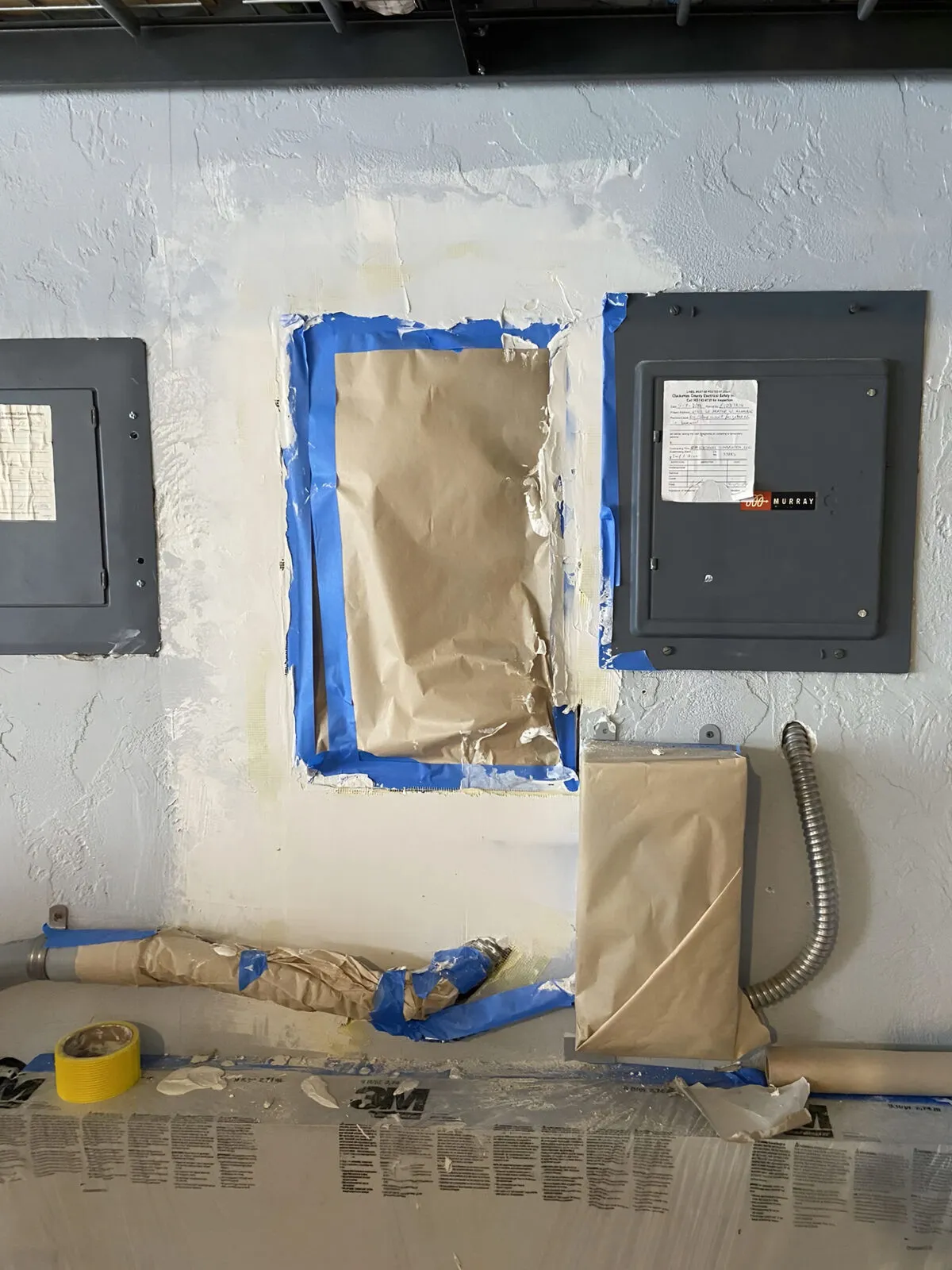
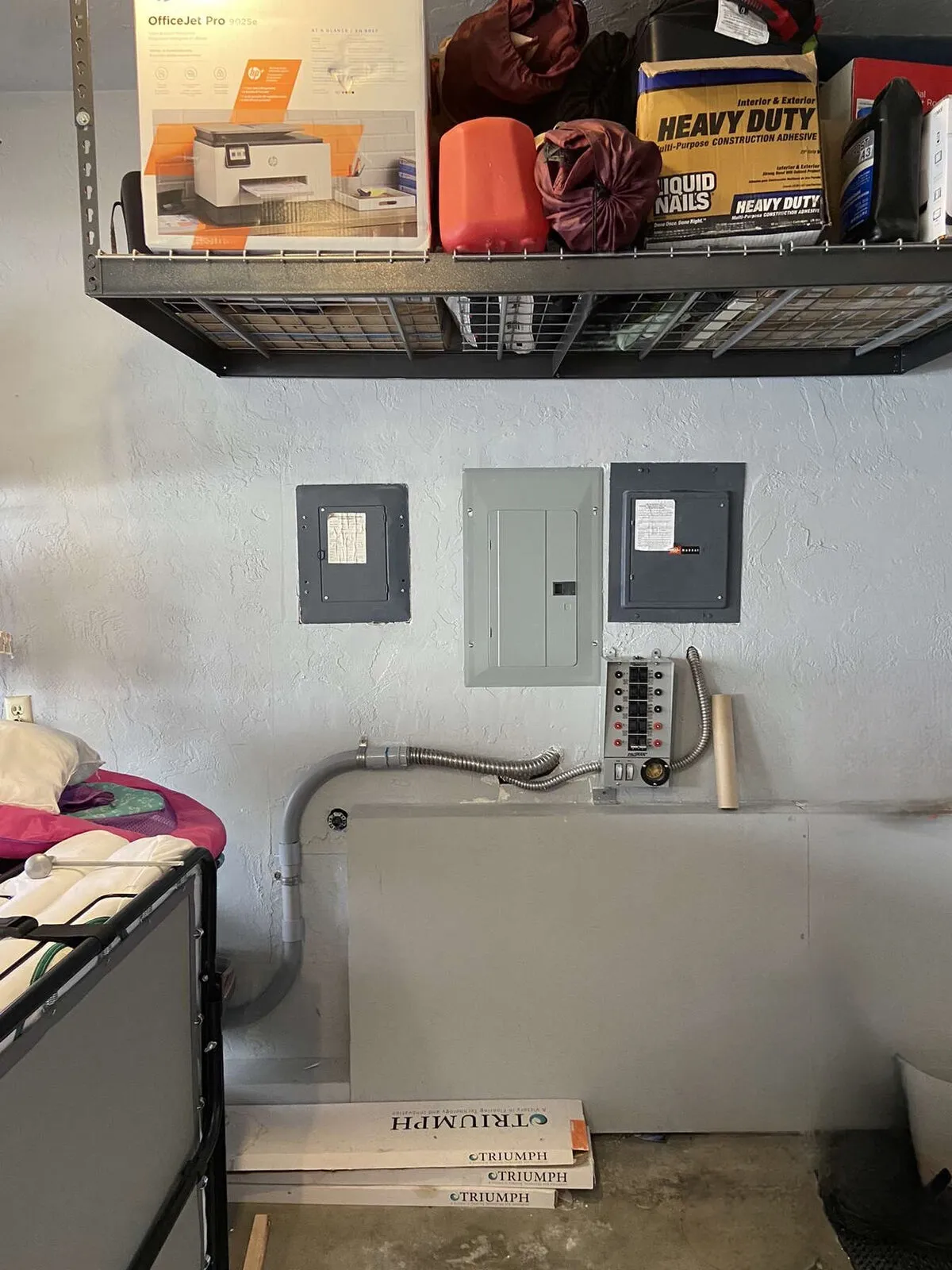
Patching around a panel is finicky. The board has to land tight to the enclosure without crowding the cover, and the seam sits at eye level in a garage where the light is unforgiving. Our electrical box drywall patch project walks the whole sequence, from the open bay to the finished texture.
Ceiling can holes get backing and a cut-in plug rather than mesh and mud alone, because a floated round patch with nothing behind it cracks the first winter. Same rule for the chase cuts running up a wall in Battle Ground or Hazel Dell.
Wall repair after HVAC install
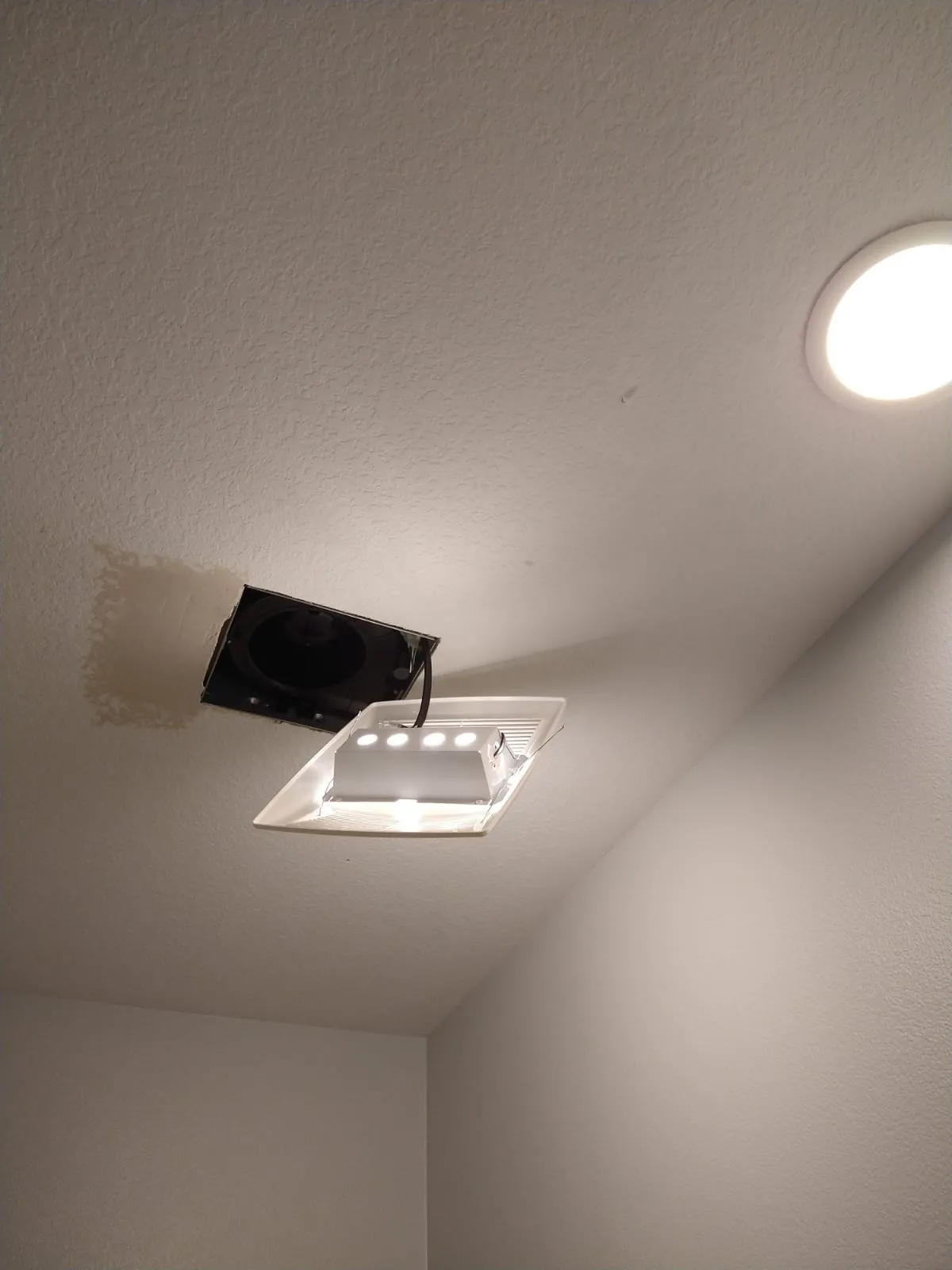
Furnace and heat pump replacements move ductwork, and moving ductwork means opening ceilings. A new supply run to a back bedroom opens a channel down a hallway. An undersized return gets cut wider, sometimes into a ceiling that never had one. Mini-split line sets punch through an exterior wall and then chase across an interior wall to reach the air handler. Bath fans and range hoods leave their own openings when the vent path changes.
Wall repair after HVAC install has one extra step that plumbing and electrical usually don't. The bays around a duct chase are where batts get shredded, and board over a gap in the insulation turns into a cold stripe and a condensation line on the finished surface. We put insulation and vapor barrier back before anything gets hung.
Return and register openings need clean, square edges because the grille has to sit flat against the finished surface. We cut to the framing, set backing, and leave the rough opening sized so the trim covers what it's supposed to cover.
Texture matching so the drywall repair disappears
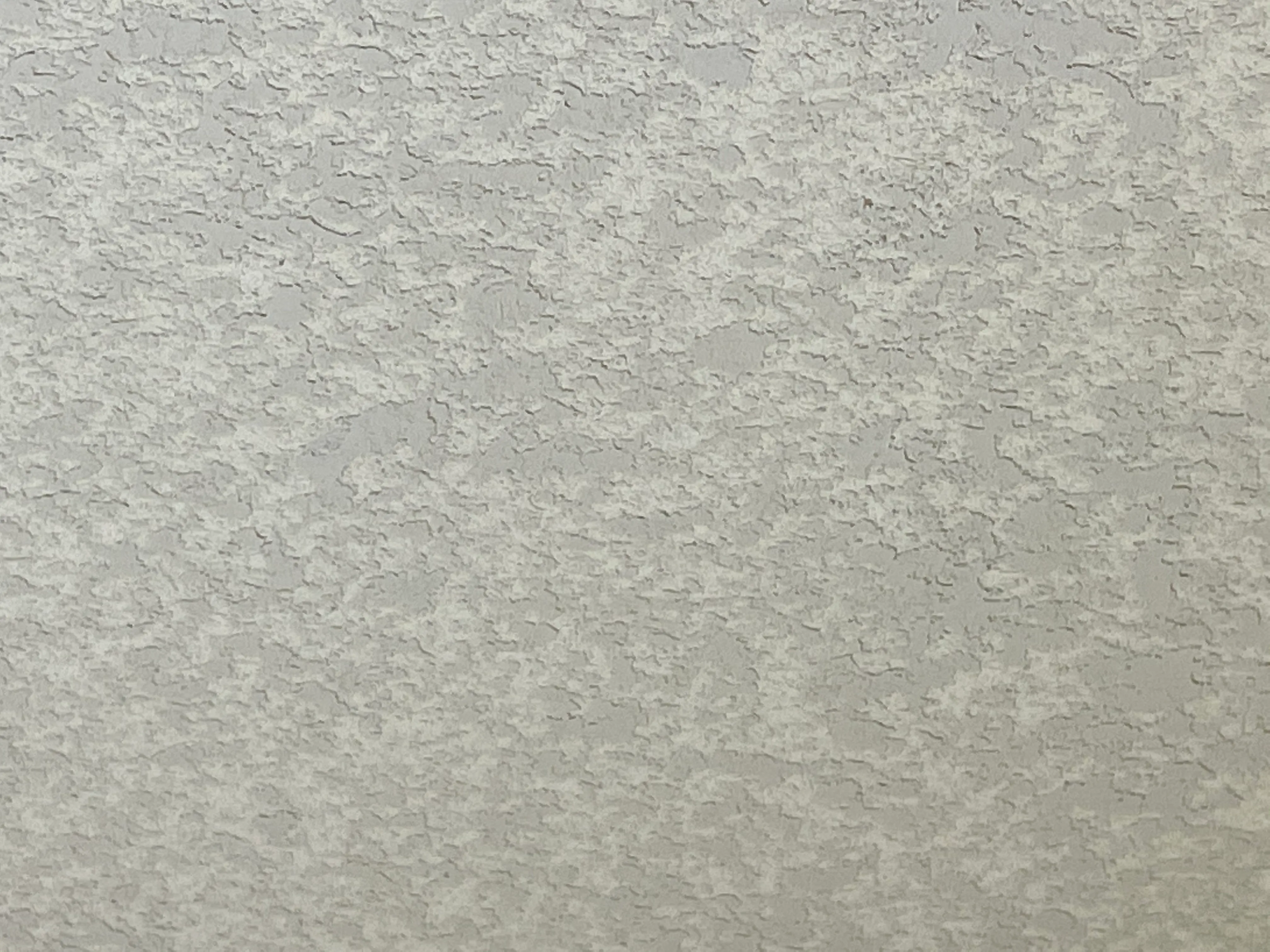
A flat, well-taped patch with the wrong texture on it still reads as a patch from across the room. Matching is the skill the whole close-up rests on. We identify what's already on your wall or ceiling, then match three things at once: the mud consistency, the spray pattern and pressure, and the timing of the knockdown pass. Get any of those wrong and the patch sits proud or flat against everything around it.
Knockdown ceilings from the nineties are the most common match we make in Clark County, and orange peel walls are close behind. Skip trowel and hand-troweled finishes take longer because there's no spray shortcut. Every one of them gets test-sprayed on a scrap first and held against the existing surface before it touches your ceiling. Our guide to knockdown, orange peel and skip trowel explains how to tell which one you have.
When a match is genuinely impossible, usually a discontinued spray pattern or a heavy hand texture nobody applies anymore, we say so and give you the options instead of guessing. Hand texture across a full wall or ceiling plane is sometimes the cleaner answer.
Working alongside your plumber, electrician or HVAC contractor
We come in after the other trade, whether they're still on site or finished last month. Either way, we ask to see the openings before anything covers them. Here's how a close-up gets scheduled.
We see it open
Photos of the open bays, or a walkthrough while the walls are still apart, tell us what backing is missing, whether insulation got destroyed, and how much board we're buying. Quoting a close-up from a covered wall means guessing, and guessing shows up as a change order.
Inspection first
Permitted plumbing, electrical and mechanical work gets a rough-in inspection with the walls open. We wait for sign-off. Closing early means opening the same wall twice, and nobody wants to pay for that. Our post on drywall permits and code in Vancouver, WA covers what needs one.
Who closes what
We handle backing, insulation, board and finish. Your plumber, electrician or HVAC contractor keeps everything on their side of the wall: pipe, wire, duct, valves, boxes and grilles. We don't move any of it, and we say so before we start so nobody assumes otherwise.
Dust control
Most close-ups happen in occupied houses. We plastic off the work zone, cover floors and furniture, and seal registers so sanding dust doesn't ride the ductwork into the rest of the house. Our checklist on preparing your home for a drywall project covers what we need from you.
Coats and dry time
Mud dries on its own schedule, and Southwest Washington humidity slows it down from October on. We plan around it instead of forcing a coat that isn't ready. Rushing a second coat onto damp compound is how a seam telegraphs through the paint a year later. Our breakdown of how long drywall repair takes walks the day-by-day schedule.
Paint boundary
Texture and primer get you most of the way. We paint to a natural break, corner to corner or wall to ceiling, so there's no halo of fresher paint around the patch. Full-room interior painting is available if the existing color has faded.
What a close-up scope includes, and what it doesn't
Being clear about the line between trades keeps everyone out of trouble. Here's exactly what our crew does on a post-plumbing, post-electrical or post-HVAC close-up, and what stays with the trade that made the opening.
What we do
- Reinstall batt insulation and vapor barrier in the affected bays
- Install wood backing and framing at every open edge
- Hang new board cut to fit, matched to existing thickness
- Tape every joint and build two to three coats of joint compound
- Sand between coats and check the surface under raking light
- Match knockdown, orange peel, skip trowel or smooth texture
- Prime the repaired area and paint to a clean boundary
- Haul out the old board and debris, clean up daily
What we leave to your trade
- Pipe, fittings, valves and any plumbing rework
- Wire, boxes, panels, breakers and fixture hookup
- Duct, line sets, registers, grilles and equipment
- Rough-in inspections and permit sign-off
- Mold remediation and structural repair
- Anything that has to move before the wall closes
If something behind the wall still needs attention, we'll flag it and hold off on the board until it's handled. Covering a problem is the one thing worse than leaving the hole open.
For plumbers, electricians and HVAC contractors
The finish crew you hand it to
You're good at pipe, wire or duct. You don't want to be in the texture-matching business, and your customer still wants their ceiling back. Hand us the close-up and keep the relationship clean. We show up when you tell us the inspection cleared, we don't touch your work, and we talk to your customer the same way you do.
Repipes, panel swaps and furnace changeouts stack up in late summer and stay heavy through the first real rains. If your fall schedule is filling, call (360) 904-3878 and we'll get on the same calendar.
For homeowners left with the holes
The repipe is done, the water's back on, and now you're living with plastic taped over a hallway ceiling. You don't have to chase three contractors to get it closed. Call us directly, send photos, and we'll handle the whole close-up. We've done it in Vancouver, WA ranch houses and Battle Ground two-stories.
If you're weighing whether the openings even need a pro, our guide on signs your drywall needs repair is a decent gut check. Big square cuts with no backing behind them are not a weekend job.
Repipe and panel openings we've closed up
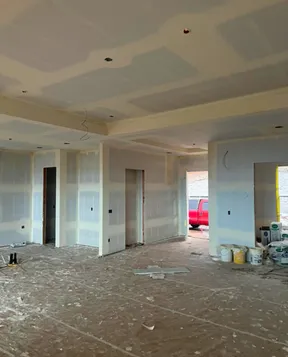
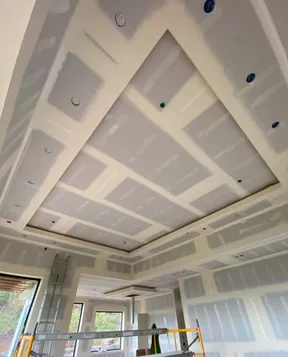
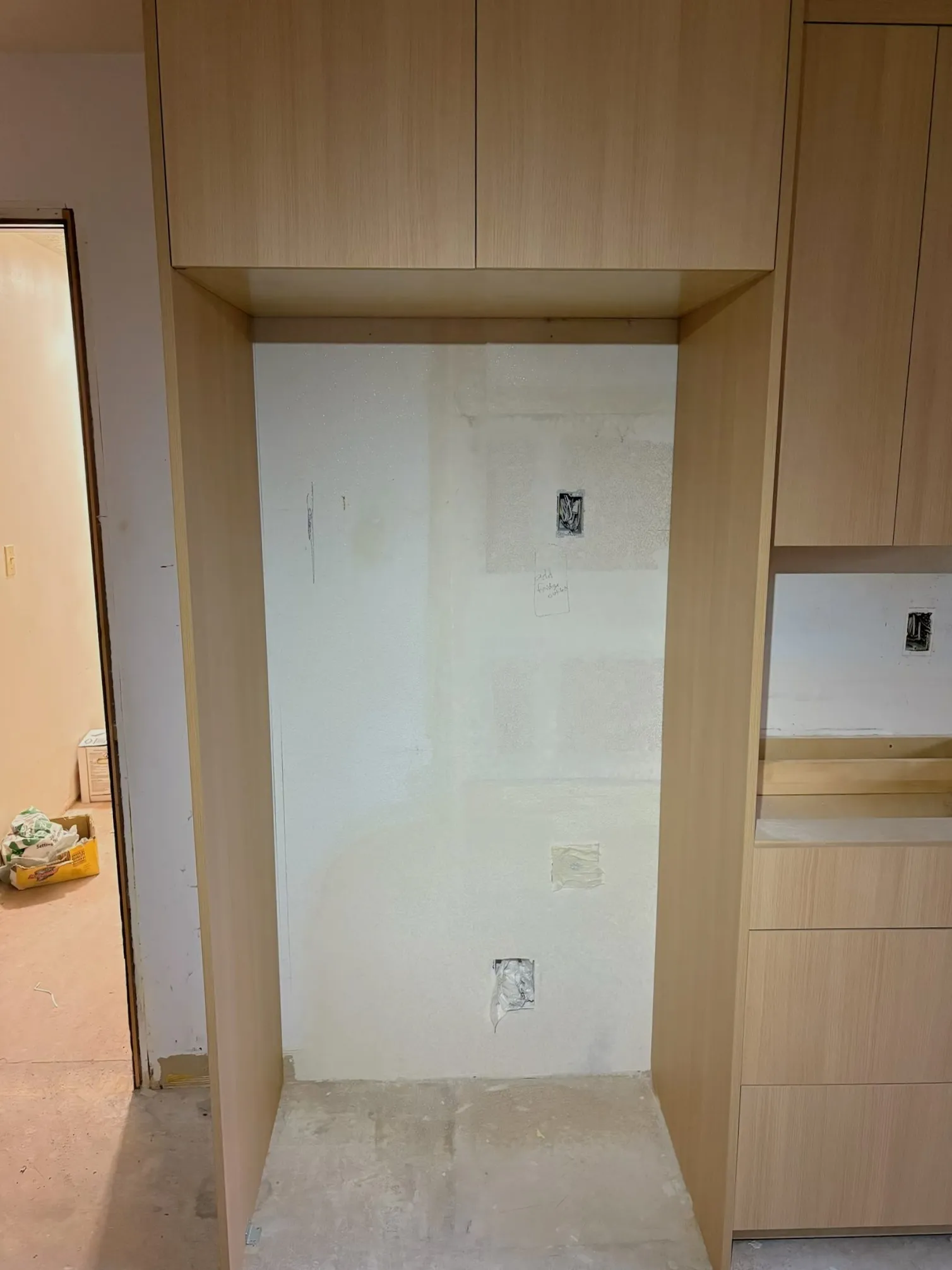
Access hole repair, ceiling channels, panel patches and texture matching from close-up jobs across Clark and Cowlitz Counties. More of both jobs in our repipe restoration and electrical box patch case studies.
How to get a quote on drywall repair after plumbing work
Photos are the fastest way to start. Shoot each opening straight on with something in frame for scale, a tape measure or a level works, and get one wider shot of the room so we can see the ceiling plane and the existing texture. Tell us which trade made the cuts, whether the work was permitted, and whether it still needs a rough-in inspection.
Every close-up is quoted per job once we've seen the openings. Send the photos through our contact page or call (360) 904-3878 and we'll walk it with you. More questions about how we work are answered on our FAQ page.
If the opening turned out to be water damage instead of an access cut, that's a different job and we handle it too. Start with our drywall and ceiling repair page instead.
Drywall repair after plumbing, electrical and HVAC work FAQ
Who fixes the drywall after a plumber?
A drywall contractor does. Plumbers cut the access they need and stop there, because cutting drywall and finishing drywall are separate trades. AvilaCo Drywall takes the openings from bare stud bay to finished wall: backing, board, tape, three coats of mud, texture match, prime and paint. You hire us directly or your plumber brings us in.
Does a plumber patch the drywall after a repipe?
Almost never. A repipe quote covers pipe, fittings and labor to get water running again, and the walls and ceilings are left open so the plumbing can be inspected. Ask your plumber before the job starts so you know what you are getting back. Then line up drywall repair for the close-up.
How many holes does a whole-house repipe leave?
It depends on the layout, but a two-story Clark County house usually ends up with ten to twenty-plus openings. Hallway and kitchen ceilings take the long channel cuts where the trunk line runs. Every vanity wall, tub and shower valve wall, laundry wall and the area around the water heater get their own cutouts.
Can you match the ceiling texture after a duct run or a repipe channel?
Yes. Texture matching is the part of drywall repair after plumbing and HVAC work that decides whether the patch shows. We identify what is already up there, knockdown, orange peel, skip trowel or smooth, then match the mud consistency, spray pattern and knock timing. See our hand texture work for how we do it.
Do you close up the wall after an electrical panel swap?
We do. A panel swap leaves board missing around the panel and usually a strip above it where the new feeders come in. We cut the patch to land tight to the panel, tape and mud the seams, match the garage or utility wall texture, and prime. Our electrical box drywall patch project shows every step.
Do I need to wait for an inspection before the drywall goes back on?
If the work was permitted, yes. Rough-in plumbing, electrical and mechanical inspections happen with the walls open, and covering them early means opening them again. We schedule the close-up after your trade gets sign-off. Our guide to drywall permits and code in Vancouver, WA covers what triggers an inspection.
Do you put the insulation and vapor barrier back?
Yes, that is part of the scope on exterior walls and ceilings. Batts get pulled or shredded when a trade works in a bay, and board over a gap in the insulation is a cold spot and a condensation problem later. We reinstall batts and vapor barrier before we hang. See our insulation page for details.
How do I get a quote for drywall repair after plumbing work?
Send photos of the openings with something in frame for scale, and tell us which trade made them and whether the work still needs an inspection. Every close-up is quoted per job once we see the openings. Use our contact page or call (360) 904-3878.
Got holes from the other guys?
Send us photos of the openings and we'll walk the close-up with you, from insulation and board to texture match and paint. Serving Clark and Cowlitz Counties.