Soundproofing Contractor in Vancouver, WA
AvilaCo Drywall builds soundproofing into the walls and ceilings of homes across Vancouver, WA, Camas, WA, Ridgefield, WA and the rest of Clark County. We fill the cavity with Rockwool Safe'n'Sound, hang heavier drywall on resilient channel where the noise calls for it, and seal every gap sound can slip through. One crew installs the insulation and the drywall, so nothing gets lost between trades.
Free Soundproofing Quote
No strings. We respond within 24 hours.
Free Soundproofing Quote
No strings. We respond within 24 hours.
Raul and his crew were very professional, reliable, and easy to trust throughout two projects. They did extensive work, including installing new drywall, remodeling areas down to installing a subfloor, and adding soundproofing materials. The drywall work came out excellent. It's clean, smooth, and well finished.
Soundproofing Walls and Ceilings From the Studs Out
Foam panels, heavy curtains and rugs soak up echo inside a room. They do very little for the TV next door or the traffic on I-205. Soundproofing a wall means changing what the wall is made of. It needs insulation to absorb sound in the cavity, mass to resist vibration, a break in the path through the studs, and no air gaps.
Insulation and drywall are the two trades we already run, so soundproofing uses the same crew, tools and schedule. You get one crew from the open stud bay to a painted wall.
- Rockwool Safe'n'Sound in walls, ceilings and floors between rooms
- A second layer of 5/8-inch drywall over existing walls
- Damping compound between layers
- Resilient channel on walls and ceilings
- Acoustic sealant at every edge and putty pads on outlet boxes
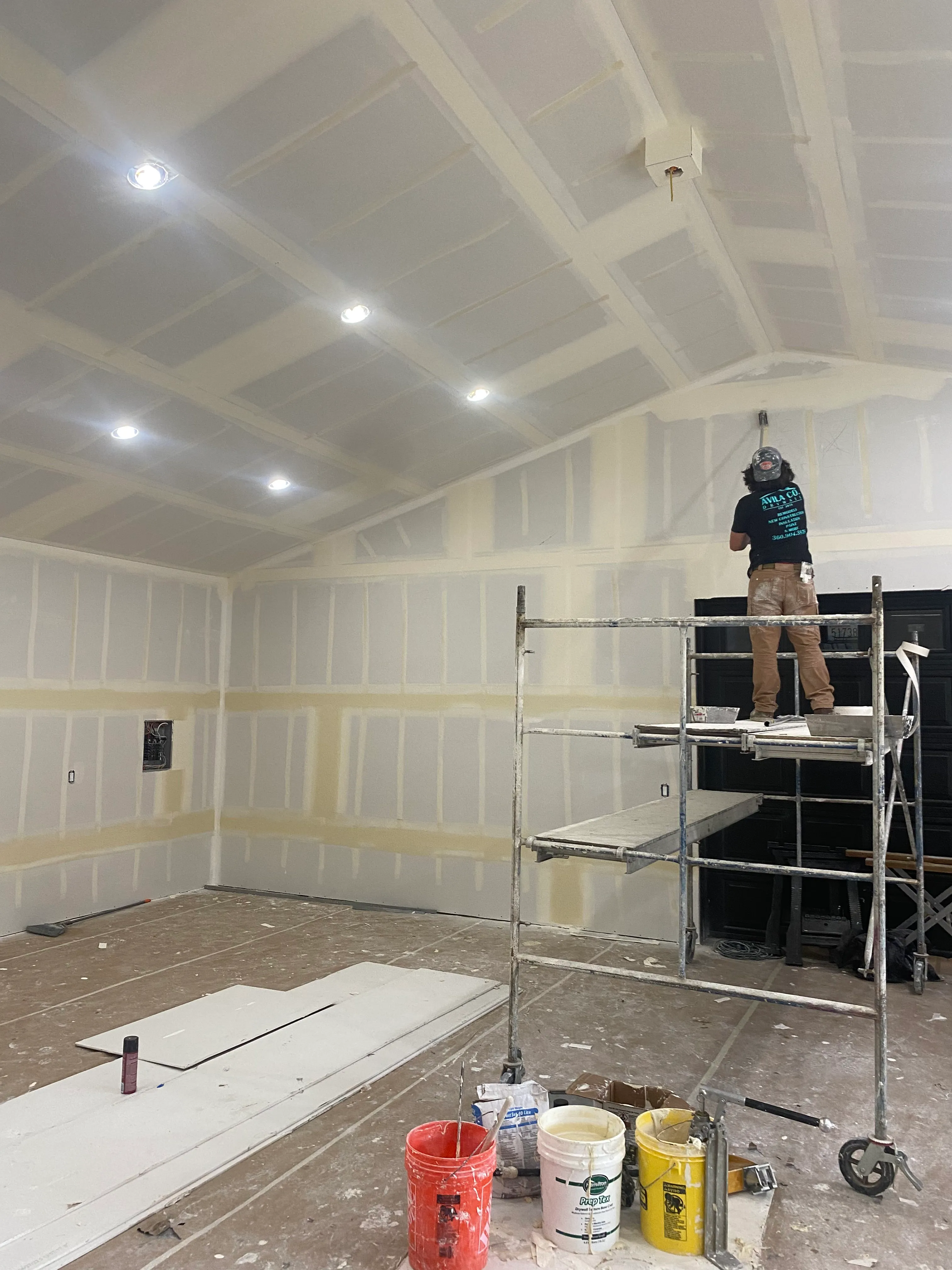
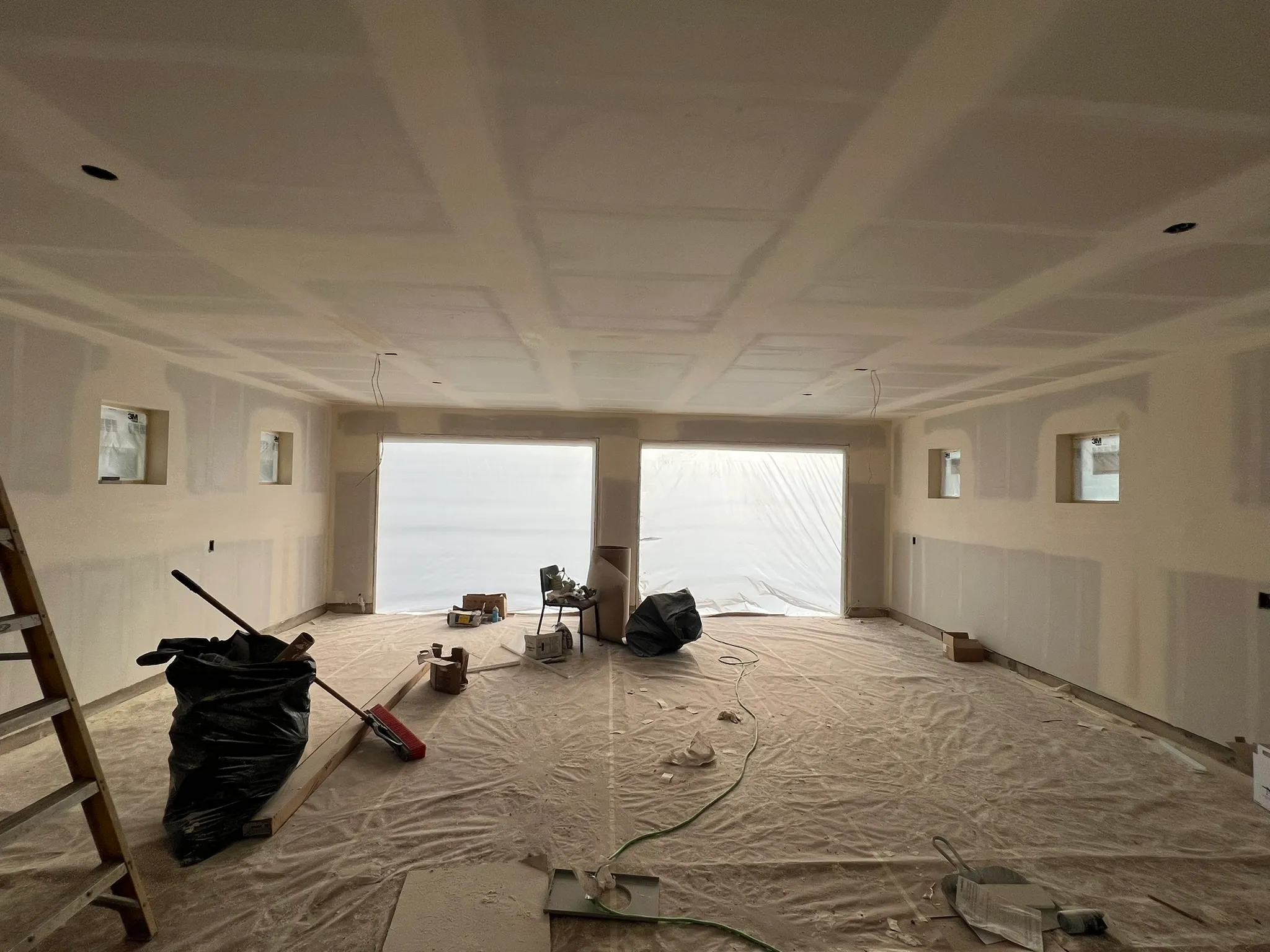
- Tape, mud and texture matched to the rest of the room
- Prime and paint to a clean boundary
What Goes Into a Soundproof Wall or Ceiling
Every soundproofing job we build uses some or all of these six pieces. Which ones your room needs depends on the noise, where it comes from, and whether the walls are open or finished.
Rockwool Safe'n'Sound in the Cavity
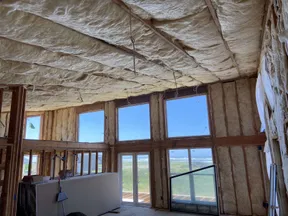
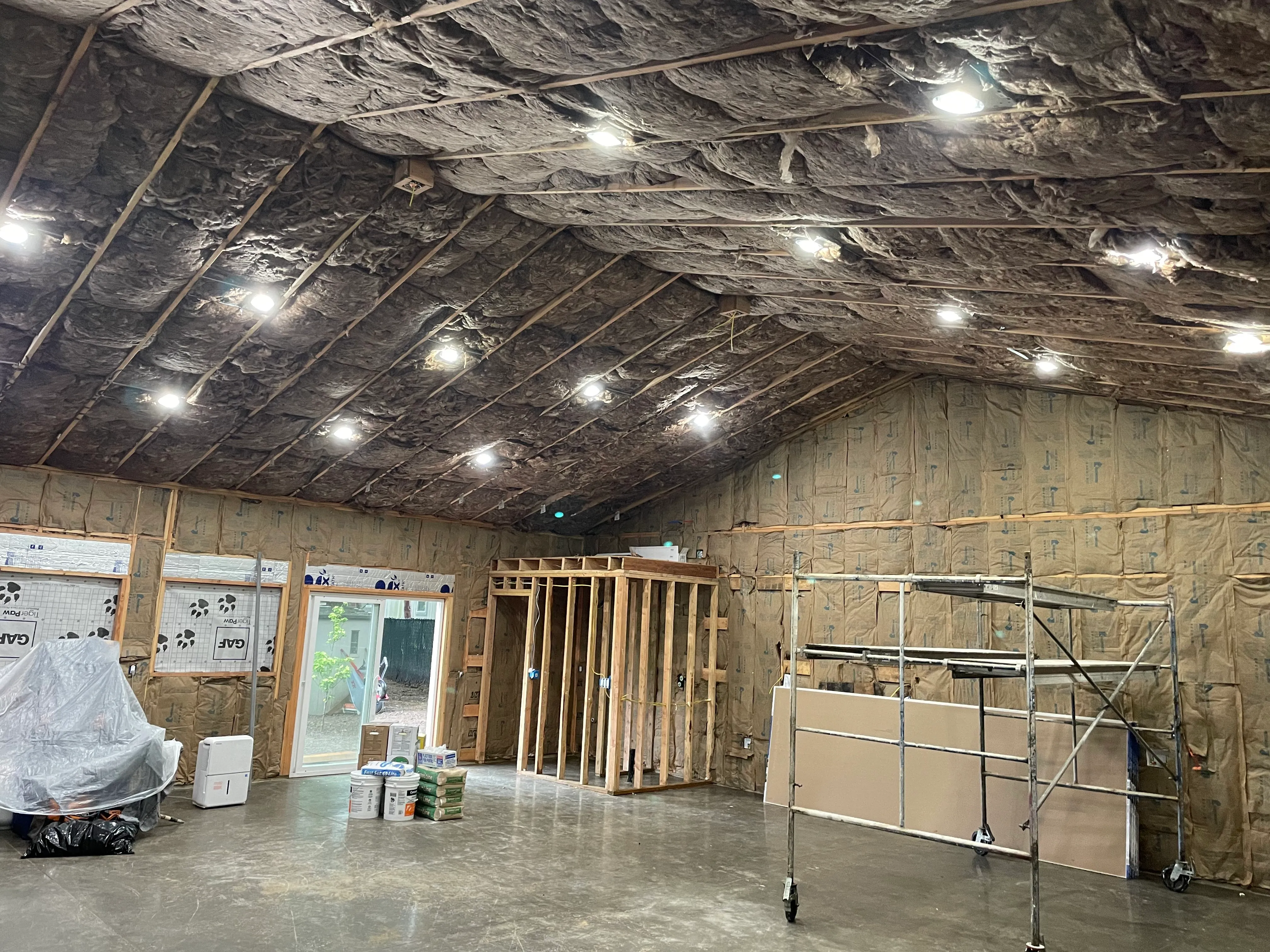
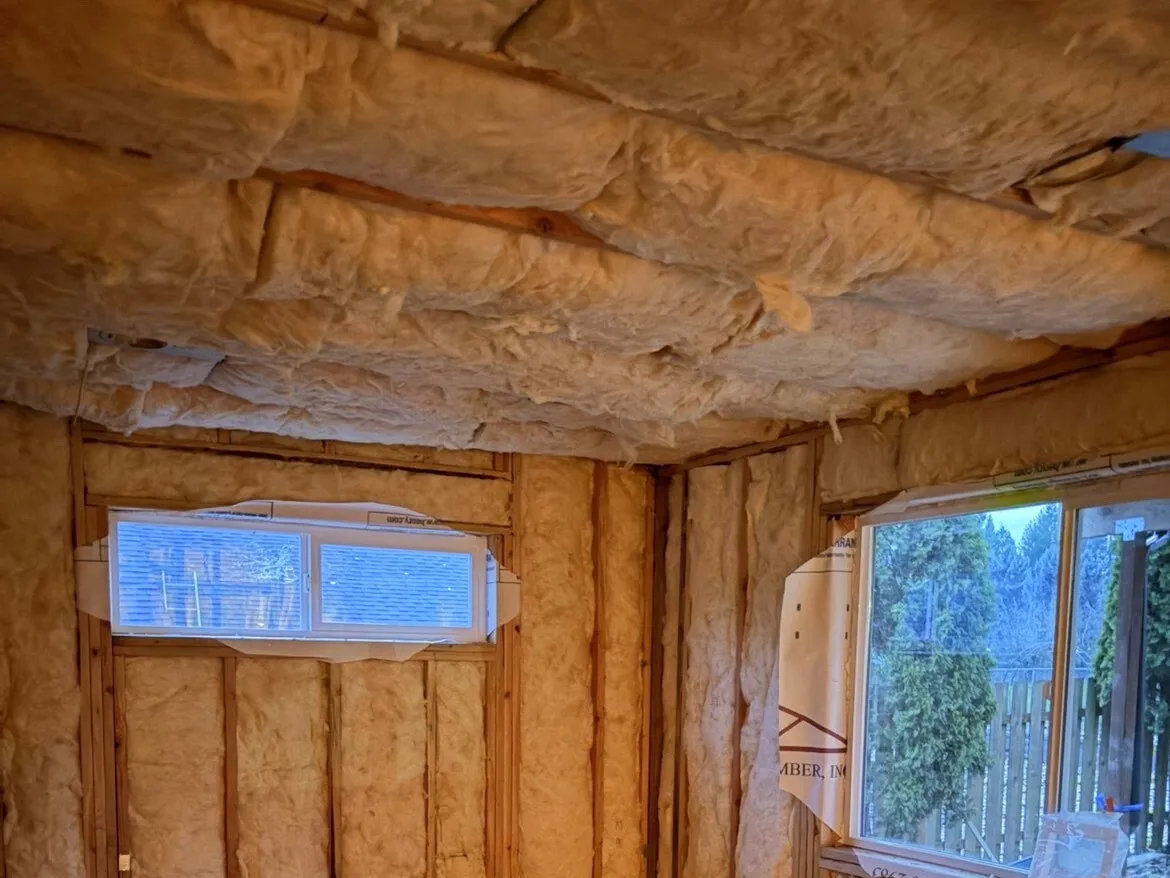
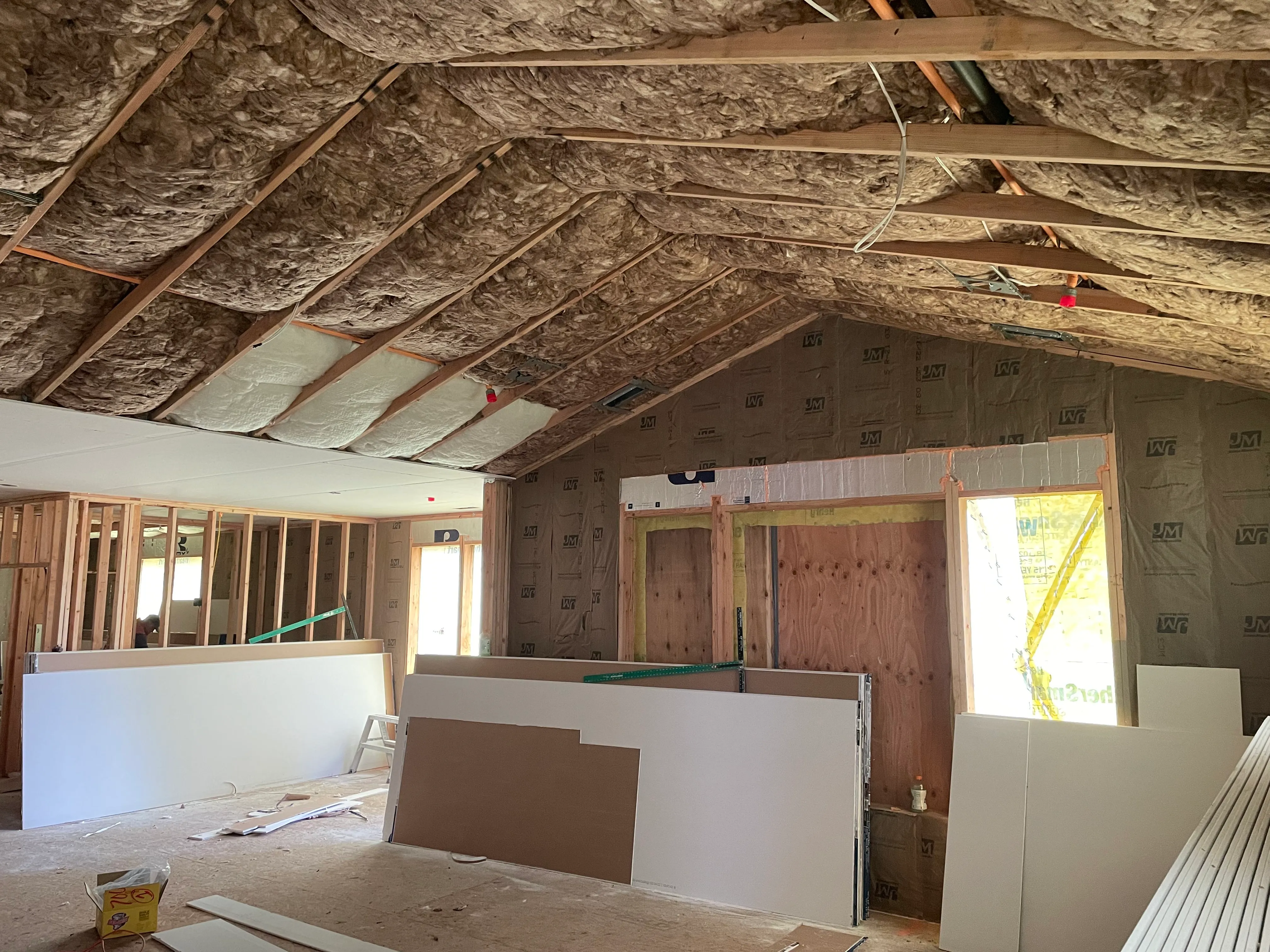
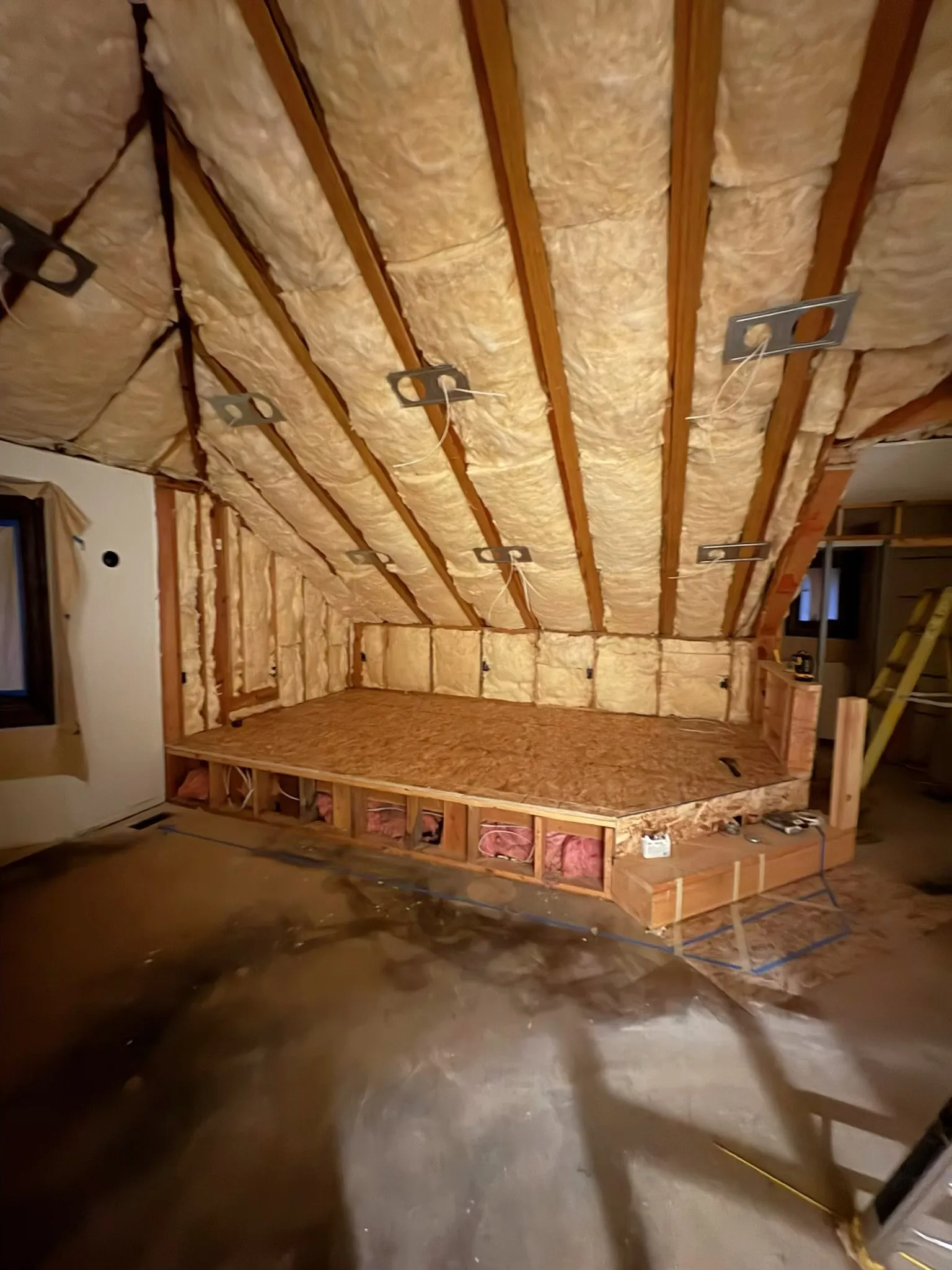
An empty stud bay rings like a drum. Safe'n'Sound is a dense stone wool batt made for interior walls, ceilings and floors. It soaks up sound inside the cavity, it's fire resistant, and it holds its shape instead of sagging.
Heavier 5/8-Inch Drywall
Mass is what keeps sound from shaking a wall. We hang 5/8-inch board instead of standard 1/2-inch, and on the noisiest walls we add a second layer with the seams staggered so no joint lines up with the one behind it.
Damping Compound Between Layers
A damping compound like Green Glue goes between the first and second layer. It turns vibration into a tiny bit of heat before it reaches your side. It's one of the best upgrades for an existing wall because nothing has to come down.
Resilient Channel to Break the Path
Sound rides through studs and joists as vibration. Resilient channel is a thin metal strip that lets the wall surface float off the framing, so the vibration has nowhere to go. One screw that catches a stud undoes it, so screw placement is slow, careful work.
Acoustic Sealant at Every Edge
A gap you can't see under the baseboard lets sound walk right around a soundproof wall. We leave a small gap at the floor, ceiling and corners and fill it with acoustic sealant, which stays flexible so it won't crack when the house moves.
Sealed Outlets and Switches
Every outlet box is a hole in the wall. We wrap boxes in acoustic putty pads, and on open walls we ask your electrician to keep back-to-back boxes out of the same stud bay. On a thicker wall, box extenders bring the covers flush.
Soundproofing Existing Walls Without Tearing Them Out
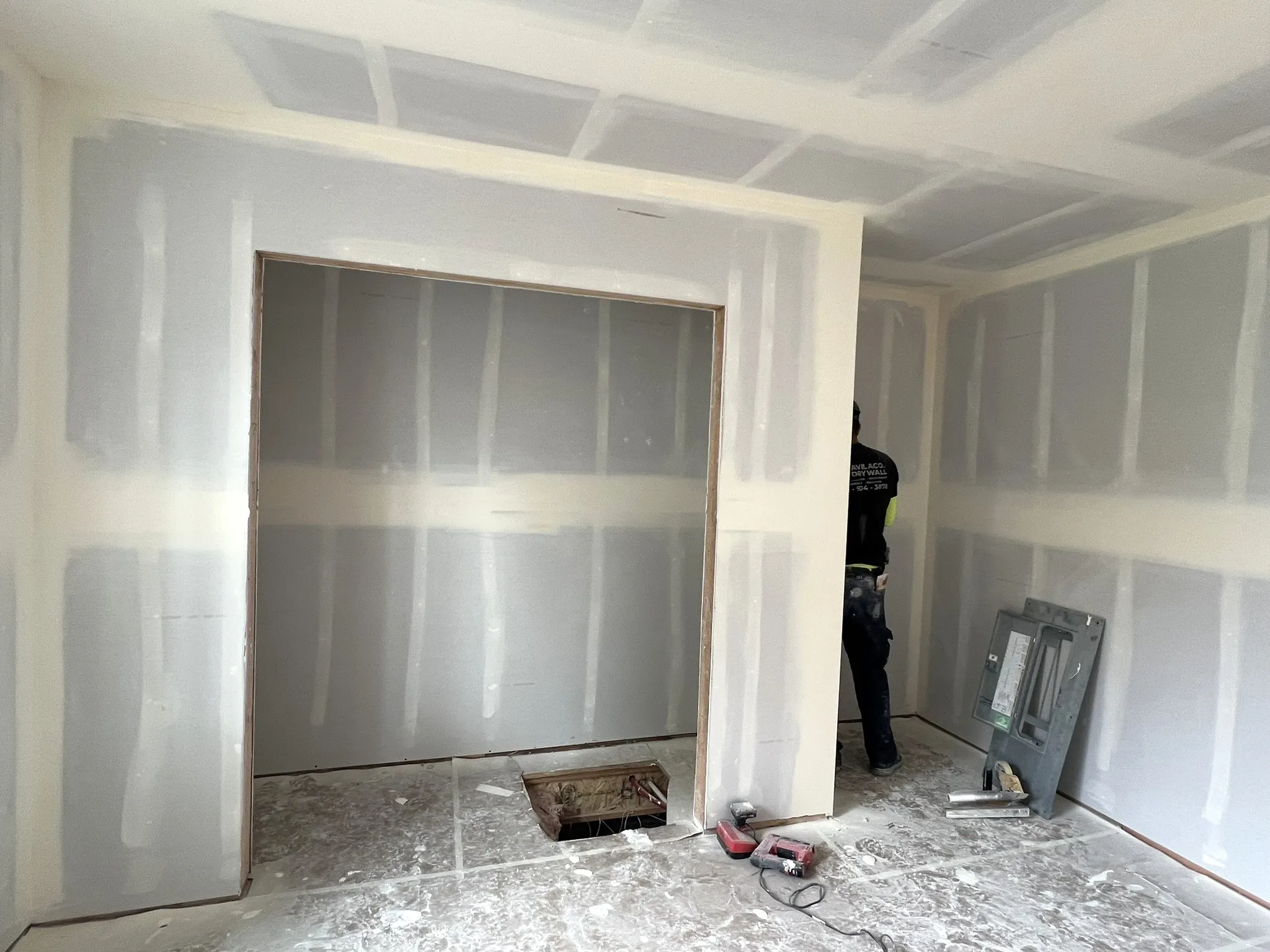
Soundproofing a finished room doesn't mean gutting the wall. We build on top of it. A second layer of 5/8-inch drywall goes over the existing board with damping compound spread between the two. We screw it through to the studs, stagger the seams, seal the edges, and tape and texture it like any other wall.
It's the right call for a bedroom that shares a wall with the living room, or a home office next to the kids' room. The wall gets about five-eighths of an inch thicker, so trim and outlet covers get adjusted to match.
If you'd rather open the wall, we can do that too. Pulling the old board lets us fill an empty cavity with Rockwool and set resilient channel before we rehang the wall. It's more work and a bigger improvement, especially against bass from a TV or a stereo.
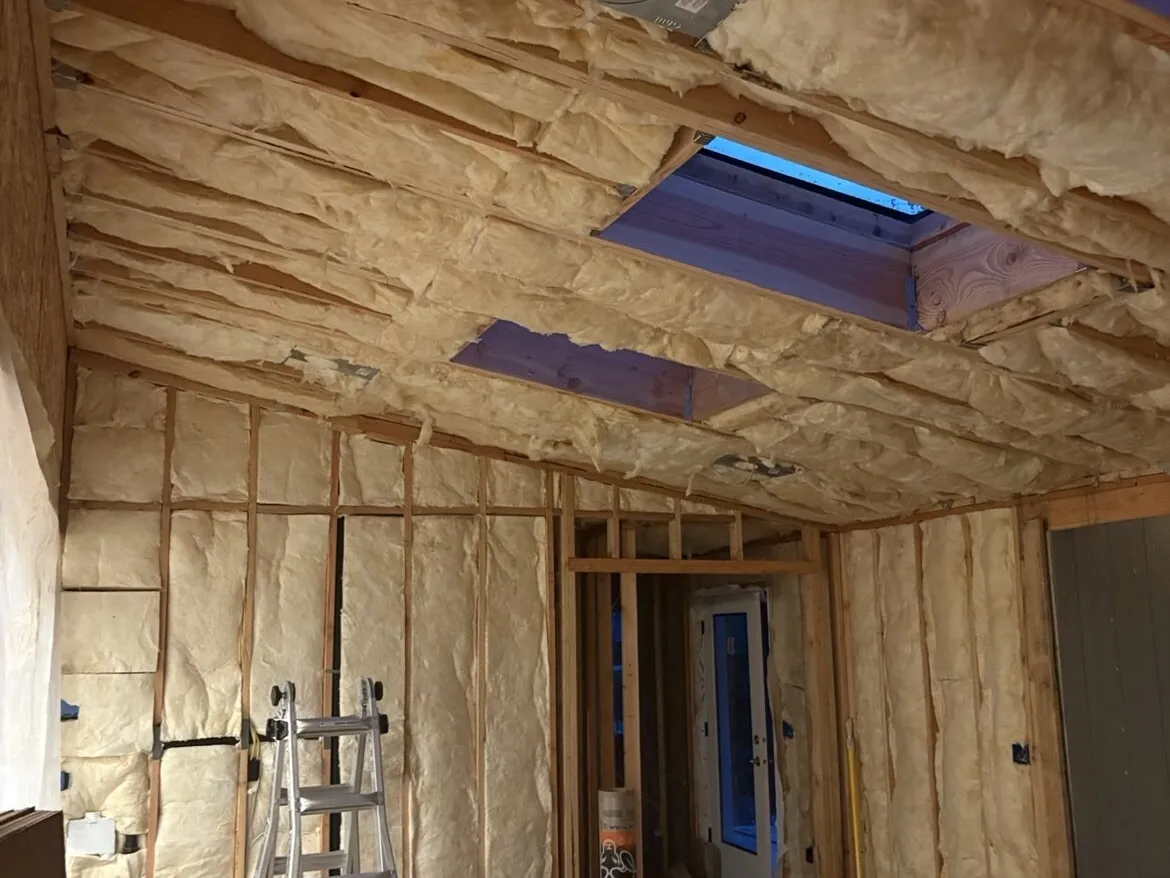
The Best Time to Soundproof Is While the Walls Are Open
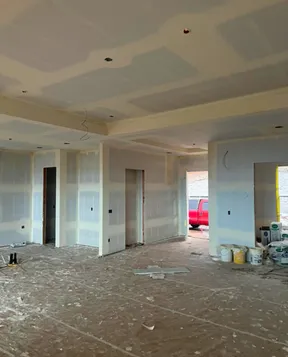
If you're remodeling, finishing a basement or building new, soundproofing is easiest right now. The stud bays are open, the insulation isn't in yet, and nothing has to come down to get at the cavity. Swapping standard batts for Rockwool and adding resilient channel is a small change to work that's already on the schedule.
Builders and general contractors can add it to the insulation and drywall installation scope we're already quoting. Bonus rooms, media rooms, primary suites and the shared walls in duplexes and townhomes are the usual candidates in newer neighborhoods around Ridgefield, WA and Battle Ground, WA.
Tell us which walls and ceilings need it before the insulation goes in. Once the board is hung, the easy window is gone.
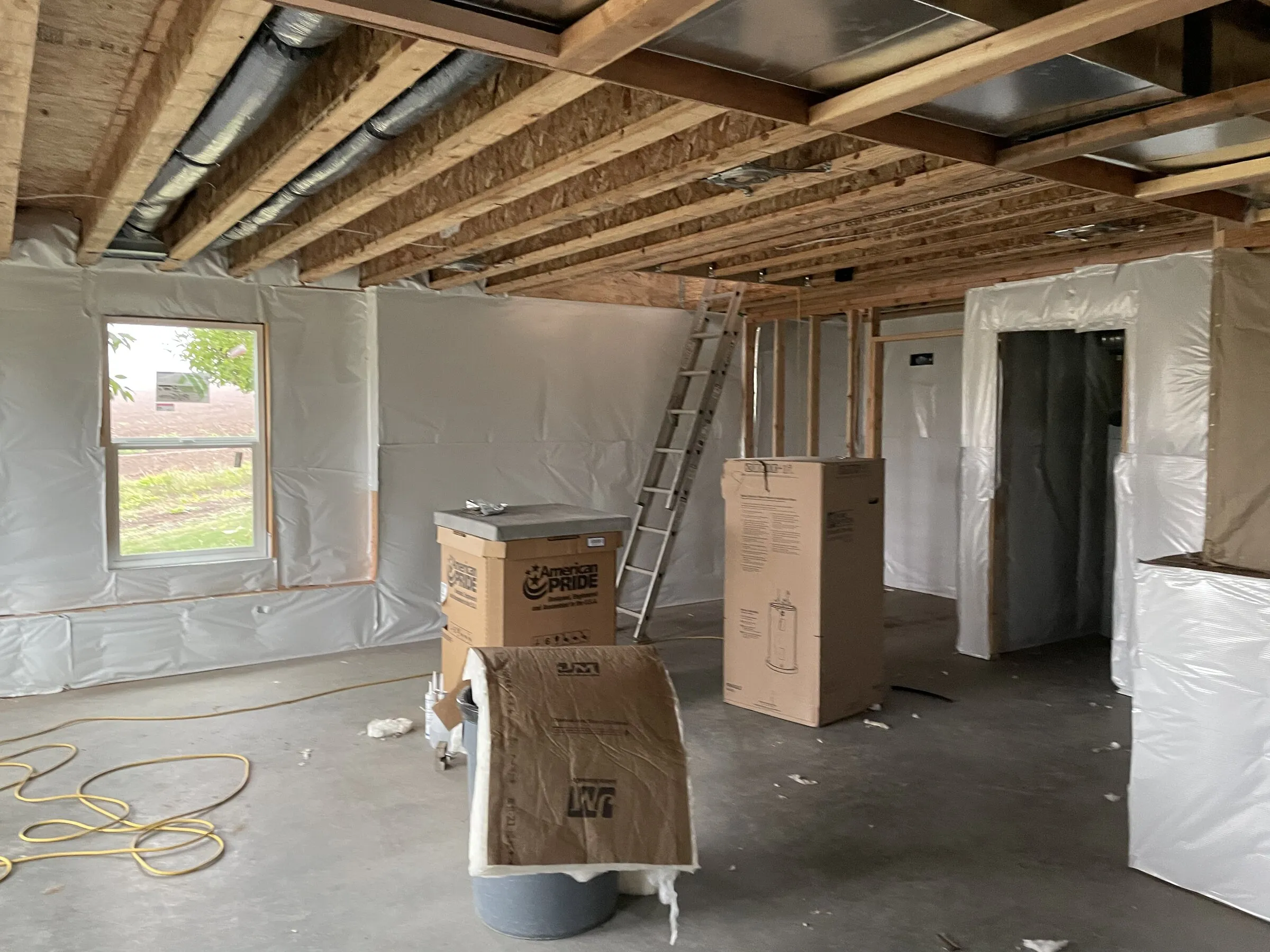
Soundproofing a Ceiling Between Floors
Ceilings carry two kinds of noise between floors. Airborne sound is voices, music and TV. Impact noise is footsteps, a chair dragged across the floor, a dropped pan. They take different fixes, and it helps to know which one is keeping you up.
For airborne sound, ceiling soundproofing starts with Rockwool Safe'n'Sound in the joist bays, then resilient channel across the joists and 5/8-inch drywall. That combination makes the biggest difference on a basement ceiling under a kitchen or living room, or a bedroom ceiling under a bonus room.
Footsteps are harder. Channel helps by isolating the ceiling from the joists, but a lot of impact noise has to be solved on the floor above with a good pad or underlayment. We'll tell you up front how much a ceiling alone will do.
Ductwork is the other leak. A supply run that feeds both floors carries voices like a speaking tube. We point those out on the walkthrough so your HVAC contractor can line the duct or add a baffle if it's worth it.
Soundproofing for Bedrooms, Home Offices and Media Rooms
Soundproofing usually starts with one room and one noise. These are the rooms where it pays off most.
Soundproof Bedroom Walls
A bedroom that shares a wall with the living room or a teenager's room is the classic soundproofing job. A second layer with damping compound on the shared wall, sealed at the edges, cuts down on the TV and conversation that bleed through.
Home Office Soundproofing
Video calls and a busy house don't mix. We treat the shared walls and seal the gaps so your calls stay in the office. We'll also point out the door, because a hollow-core door lets through more sound than the wall around it.
Home Theater and Media Room Soundproofing
Movie night at full volume is the toughest test, because bass slips through walls that stop voices. Media rooms get Rockwool, resilient channel and two layers of 5/8-inch drywall with damping compound, on the walls and the ceiling.
Basement Ceilings
A basement finish is the easiest time to soundproof a ceiling. Rockwool and channel go in before the board, so the rec room noise stays downstairs and footsteps overhead come through softer. Finishing a basement needs a permit in Vancouver, WA and Clark County, and soundproofing goes on that same permit.
Shared Walls in Duplexes and Townhomes
If you can hear your neighbor's TV, the wall between you probably wasn't built to stop it. We add mass and damping on your side of the wall and seal the edges, which is often the only side you control.
Bonus Rooms Over the Garage
Code already calls for 5/8-inch Type X drywall on a garage ceiling under a bedroom or bonus room. That heavier board helps with noise too, and Rockwool between the joists quiets the garage door and the car below even more. Our garage drywall guide covers the fire rules.
How a Soundproofing Project Runs From Walkthrough to Paint
-
Walkthrough and Noise Check
We walk the room with you, listen for what you're hearing, and find which walls, ceilings, doors or ducts carry it. If the fix is a door or a duct, we'll say so.
-
Choosing the Assembly
Your quote spells out which surfaces get what, from a second layer on one wall to a full open-wall rebuild, and what kind of improvement to expect from each.
-
Insulation, Channel and Drywall
Our crew protects the room, installs Rockwool and resilient channel where the plan calls for it, then hangs and seals every layer.
-
Tape, Texture and Paint
Tape, three coats of joint compound, texture matched to the room, then prime and paint. One room usually takes about a week, and most of that is drying time between coats.
One Soundproofing Crew for Insulation, Drywall and Finish Work
Soundproofing fails in the details between trades. A gap left in the insulation, a screw that catches a stud through the channel, an outlet box nobody sealed. When one crew builds the whole wall, there's no handoff for a problem to hide in.
Soundproofing Built Into Your Drywall Scope
Add soundproofing to the package we're already bidding on your project. We build to the assembly your plans call for, and we work around your electrician and HVAC contractor so boxes get sealed and nothing bridges the channel.
Send the plans or call (360) 904-3878 and we'll add it to your quote.
A Quieter Room Without Juggling Three Contractors
You don't need an insulation company, a drywall hanger and a painter on three different schedules. We handle the whole soundproofing job from walkthrough to paint.
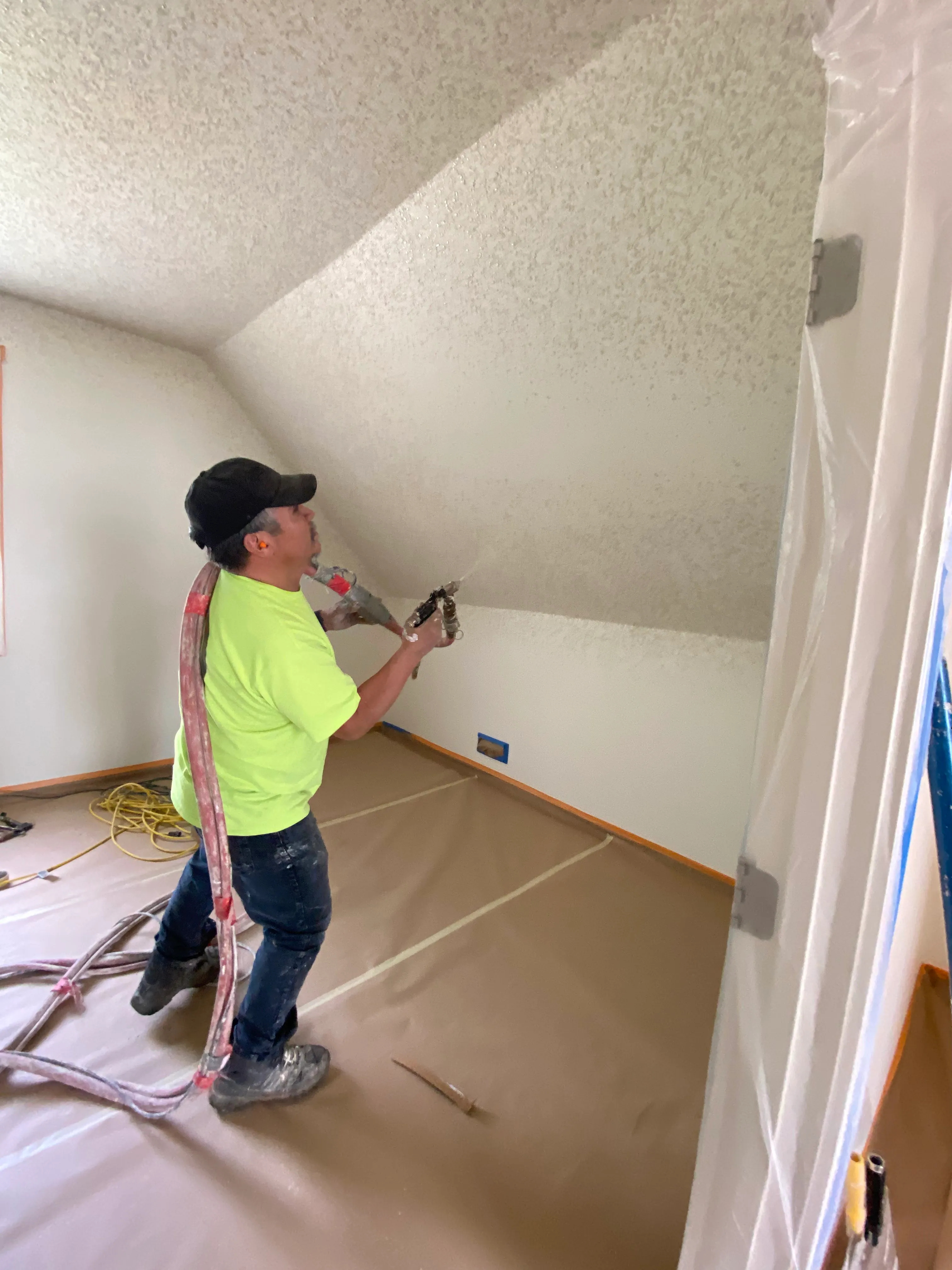
We plastic off the work area, cover floors and furniture, and clean up at the end of every day. Estimates are free anywhere from Washougal, WA to Longview, WA.
Insulation and Drywall Work From Our Crew
The same crew that handles our soundproofing, on jobs across Clark and Cowlitz Counties. See more on our insulation and drywall installation pages.
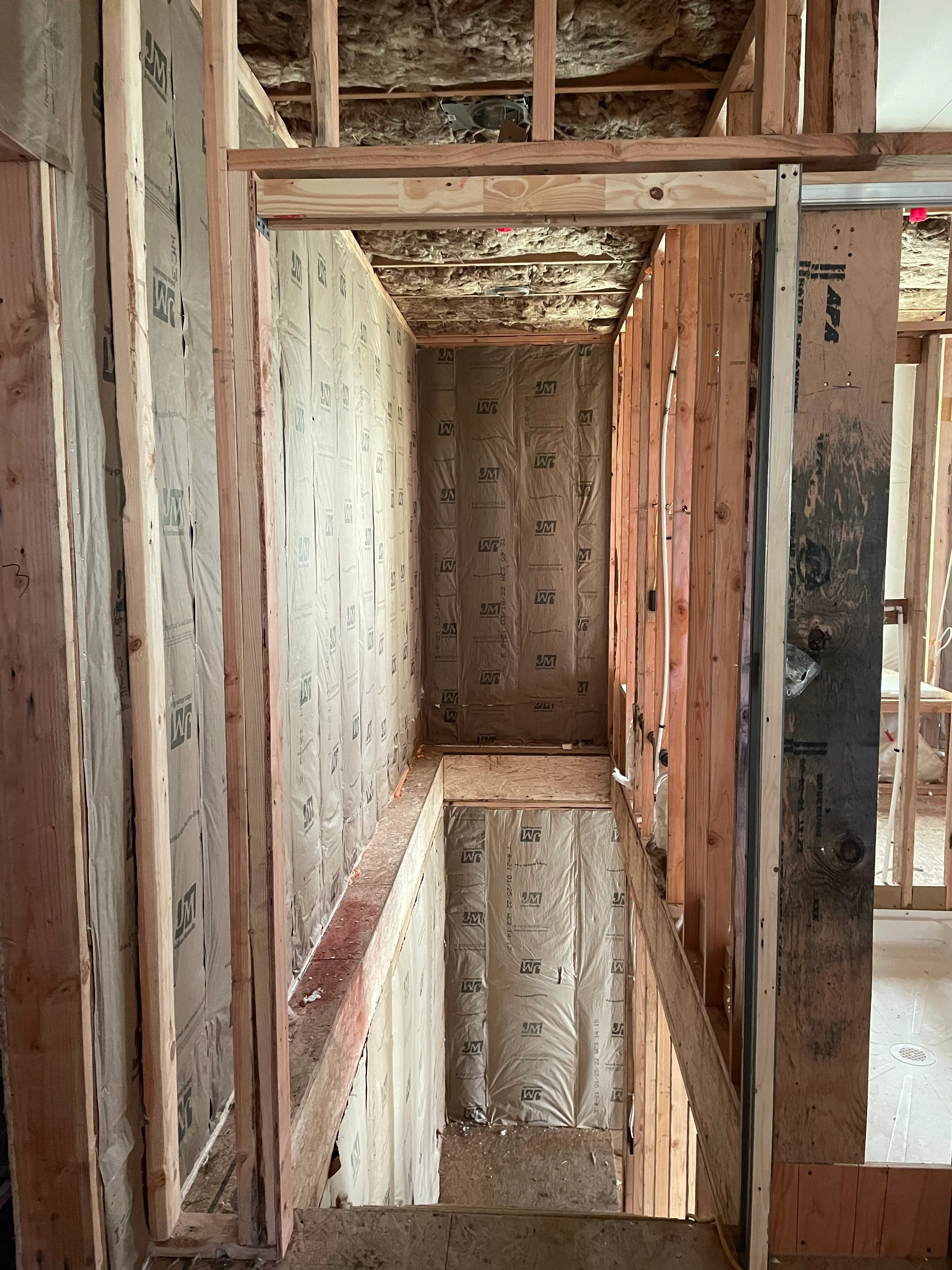
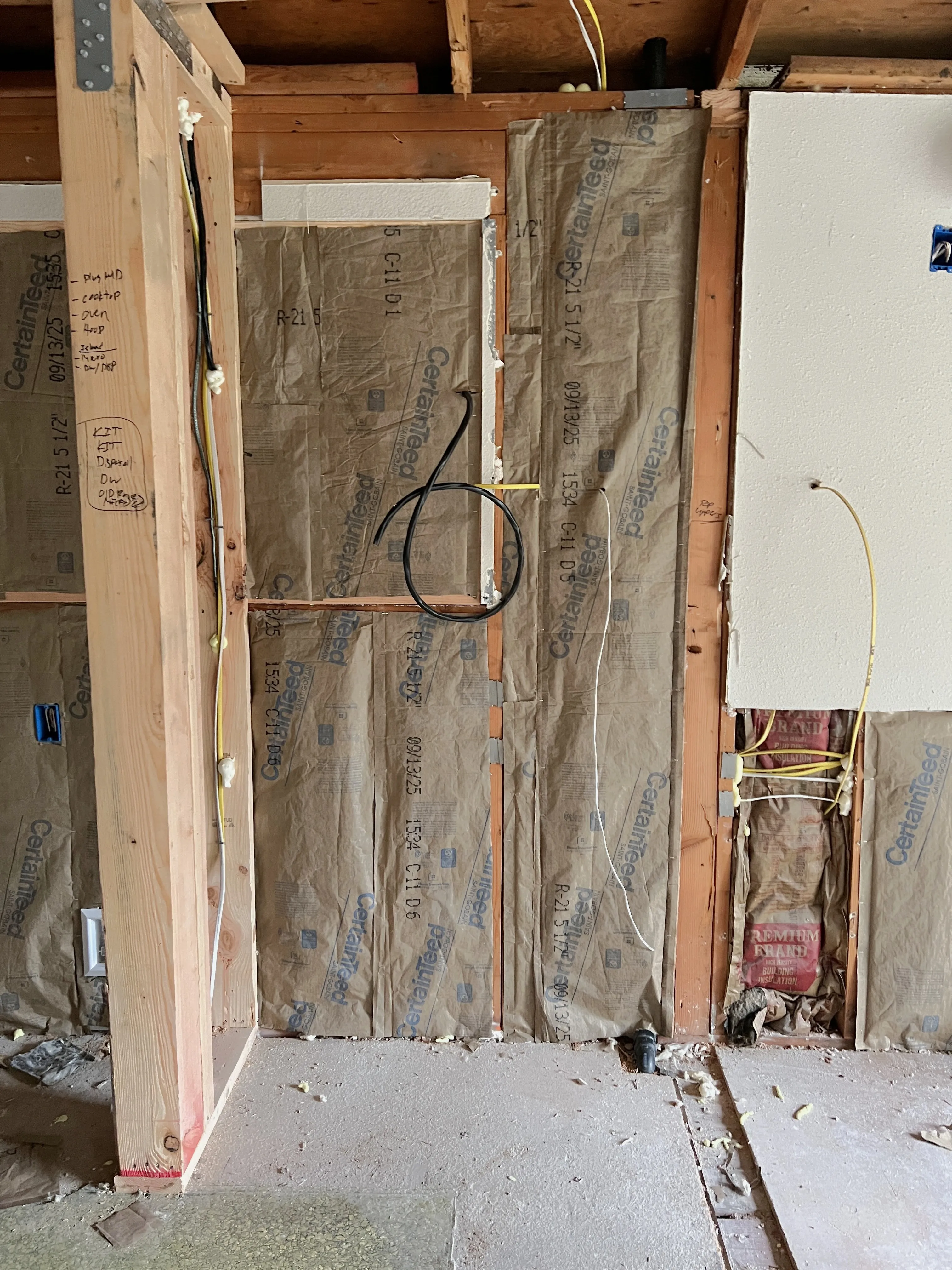
How to Get a Soundproofing Quote
Tell us what you're hearing and where. "The neighbor's TV through the bedroom wall" or "footsteps over the basement rec room" is a perfect start. Let us know whether the walls are finished or open, and send a few photos of the room and the wall or ceiling in question.
Every soundproofing job is quoted per room after a free walkthrough, because the right assembly depends on the noise. Use our contact page or call (360) 904-3878. More about how we work is on our FAQ page.
For the deeper background, our guide on how to soundproof a room explains STC ratings, wall assemblies and what's reasonable to do yourself.
Soundproofing Walls and Ceilings FAQ
What Does a Soundproofing Contractor Do?
A soundproofing contractor changes how a wall, ceiling or floor is built so less sound passes through it. That means insulation in the cavity, heavier or extra layers of drywall, damping compound, resilient channel, and sealed gaps and outlets. AvilaCo Drywall does all of it with one crew, from insulation through a finished, painted wall.
Can You Soundproof an Existing Wall Without Tearing It Out?
Yes. We add a layer of 5/8-inch drywall over the existing wall with damping compound between the layers, seal the edges and outlets, then tape, texture and paint. The wall gets about five-eighths of an inch thicker. Opening the wall to add Rockwool and resilient channel does more, especially for bass, and we'll walk through both options with you.
What Is the Most Effective Way to Soundproof a Wall?
The most effective soundproofing combines four things: insulation in the cavity, mass from heavier drywall, a break in the vibration path like resilient channel, and airtight seals. Each one alone helps a little. For most rooms, Rockwool, resilient channel and two layers of 5/8-inch drywall with damping compound is the strongest wall that still fits a standard 2x4 frame.
Does Insulation Alone Soundproof a Wall?
No, but it's a big piece of it. Rockwool Safe'n'Sound in an empty cavity absorbs sound that would otherwise ring inside the wall. Sound still travels through the studs, so insulation works best paired with heavier drywall and sealed edges. Our insulation page covers the Rockwool we install.
How Do You Block Noise From a Shared Wall?
Work on your side of the wall, since it's usually the only side you control. A second layer of 5/8-inch drywall with damping compound, acoustic sealant around the edges and putty pads on the outlet boxes is the standard fix. If the wall is already open, add Rockwool and resilient channel. Check your HOA rules before opening a shared wall in a townhome.
Can Soundproofing a Ceiling Stop Footsteps From Upstairs?
It helps, but it won't stop them completely. Rockwool in the joists and drywall hung on resilient channel quiet both voices and footsteps. Impact noise travels through the floor framing itself, so the biggest gains for footsteps come from a pad or underlayment on the floor above. We'll tell you what to expect from the ceiling before you commit.
Is Soundproof Drywall Worth It?
Sound-damping boards like QuietRock have a damping layer built in, so one sheet does roughly what two layers of standard drywall with damping compound do. They're worth it when you can't give up the wall thickness. When you can, the two-layer version gets you a similar result with standard materials that are easy to patch later.
Can You Soundproof a Bedroom From Traffic Noise?
Soundproofing the walls with mass and Rockwool helps. On an exterior wall facing I-5, I-205 or SR-14, though, the windows are almost always where the traffic noise gets in. If yours are single-pane or older, upgrading them does more than any wall work. We'll tell you which one your room needs.
Do I Need a Permit to Soundproof a Room in Vancouver, WA?
Adding a layer of drywall to an existing wall is usually treated as finish work. Soundproofing that's part of a remodel, basement finish or garage conversion falls under that project's permit. Our guide to drywall permits and code in Vancouver, WA covers what the City of Vancouver and Clark County require.
How Much Does It Cost to Soundproof a Room?
It depends on how many walls and ceilings you treat, whether they're finished or open, and which assembly the noise calls for. A second layer on one shared wall is a much smaller job than a media room rebuilt on every surface. We quote every soundproofing job per room after a free walkthrough. Request yours here.
Let's Build You a Quieter Room
Tell us what you're hearing and we'll recommend the soundproofing that fits, from one shared wall to a full media room. Serving Vancouver, WA and all of Clark and Cowlitz Counties.