Drywall repair cost depends on the repair and the finish you expect afterward. A small opening behind a utility-room door is a different job from a ceiling patch in a furnished living room, even when the openings have similar dimensions.
To get a useful price, describe the damage, the access, and where the contractor's work should stop. This guide explains the items that change a quote and gives you a way to compare bids without relying on a broad online price range that may not fit your house.
Measure the damage and show the surrounding room
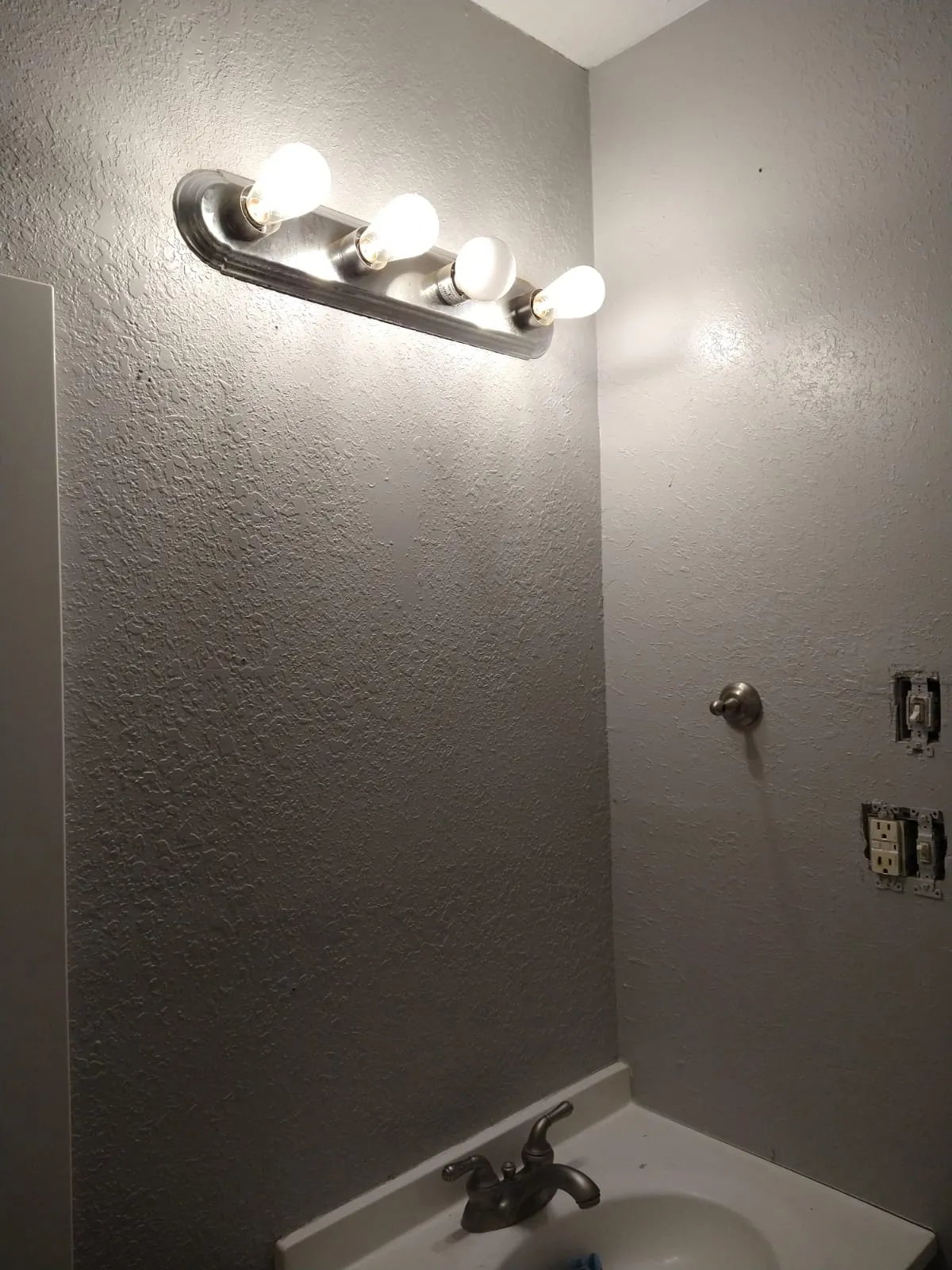
Start with the opening or damaged area, then photograph the whole wall or ceiling. Include corners, windows, trim, and fixtures. The contractor needs to see where a repair can be supported and how it might blend into the surrounding finish.
Give approximate dimensions, the number of locations, and the ceiling height. Explain whether the drywall is punctured, cracked, loose, stained, or missing after another trade's work. Those descriptions help identify what needs an on-site assessment before a firm scope can be set.
Don't count only the hole. The finishing area can extend beyond the damaged opening. Texture blending and paint may reach farther still. Ask the contractor to identify those different boundaries in the quote so you understand what is being priced.
For several repairs, make a room-by-room list. A numbered photo for each location helps prevent an estimate from covering three spots when you expected five.
The cause can change the work before patching
A doorknob hole and a water-damaged ceiling do not start at the same point. An impact repair may be ready to assess as a straightforward patch. Water damage needs the source and affected materials evaluated before the finish is restored.
Tell the contractor who repaired a leak, what was opened, and whether there are drying or inspection records. Don't assume a drywall quote includes plumbing, roofing, electrical work, or moisture investigation. Confirm those responsibilities separately.
Repeated cracks also deserve an explanation before the next patch. If the same location has been repaired several times, provide that history. The quote may need to account for an attachment issue or a separate assessment rather than another layer of compound.
Our water-damaged drywall guide and nail-pop guide cover two common situations. The condition in your home decides which work belongs in the estimate.
Access and protection are part of the job
A reachable bedroom wall is easier to work on than a ceiling over stairs. Tell the contractor about tall rooms, narrow access, built-in furniture, and anything that restricts a work platform or equipment. Photos of the approach can be as useful as photos of the damage.
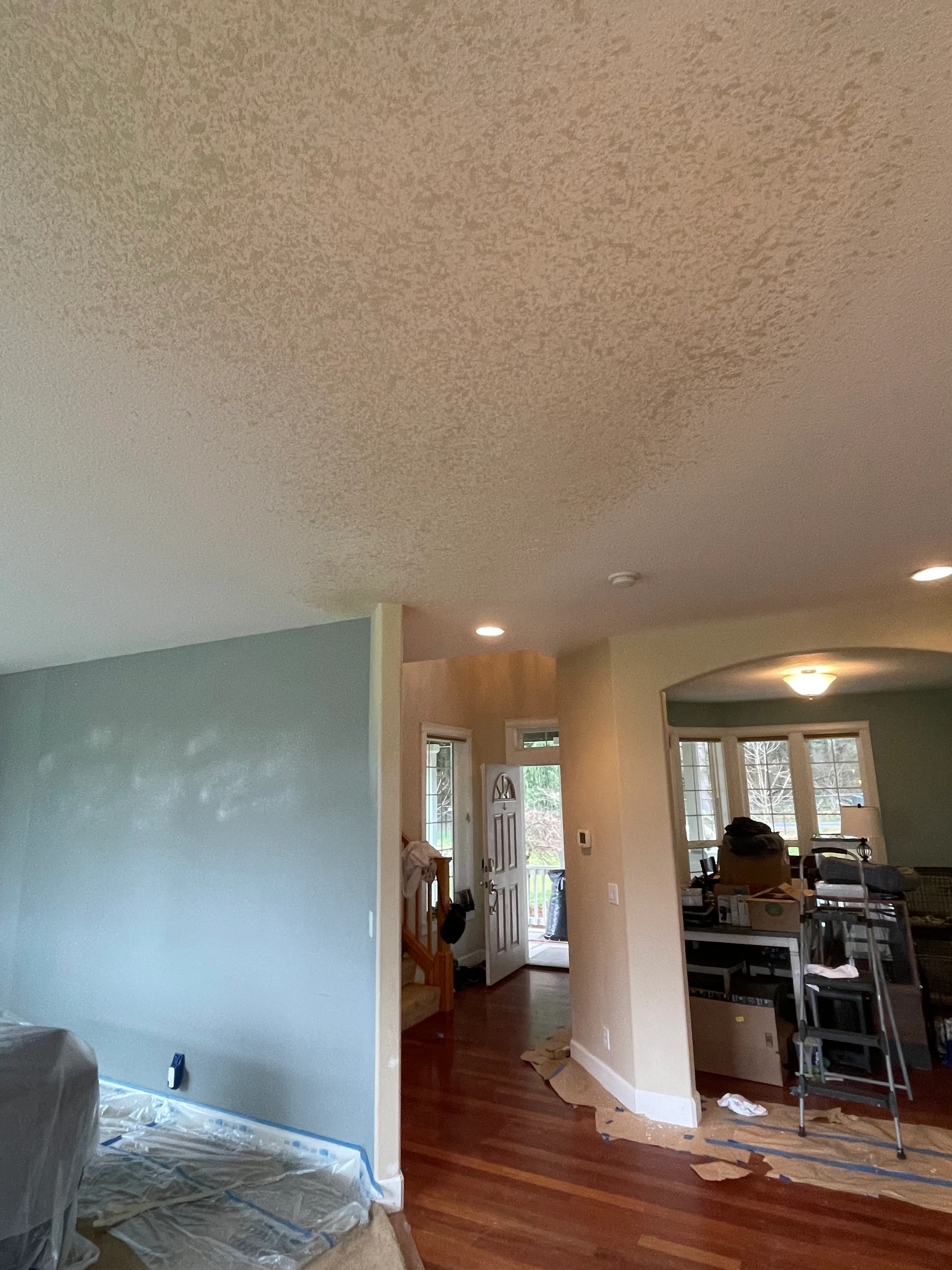
Occupied rooms also need preparation and protection. Ask who moves furniture, protects floors, masks adjoining surfaces, and handles cleanup. A quote that assumes an empty room is hard to compare with one that includes protecting a furnished space.
Share any limits on work hours or access. If someone works from home, sleeps during the day, or needs a particular hallway available, discuss it before scheduling. Those needs may affect the sequence or the number of visits.
For a home in Woodland or Kalama, provide the property address and parking information too. Clear access details help the contractor plan the actual visit rather than estimating from the damaged square footage alone.
Texture and painting change the finish scope
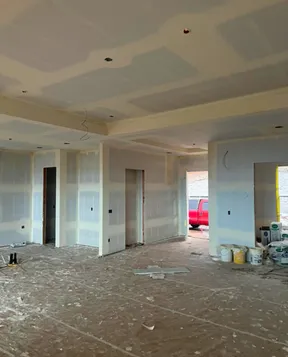
Ask what “finished” means in each estimate. A patch covered with compound, a sanded surface ready for the next trade, a texture-matched repair, and a fully painted wall are different stopping points.
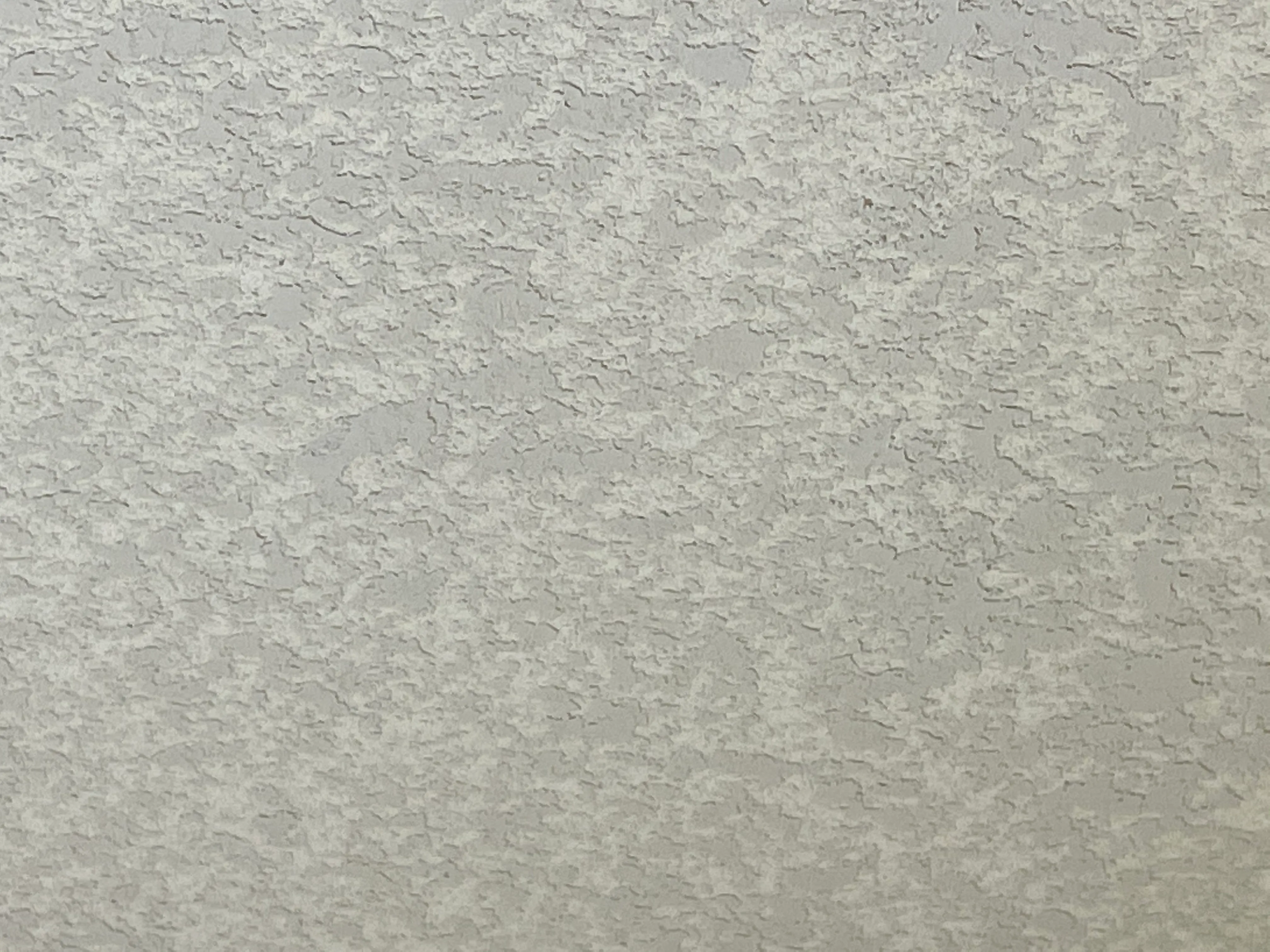
Show the existing texture and explain whether you want to keep it. A smooth wall, fine orange peel, and broad hand texture require different finishing decisions. Our guide to matching drywall texture explains why the repair boundary may be smaller than the area that needs blending.
Painting should have its own clear boundary. Confirm who supplies primer and paint, whether a color or sheen match is needed, and whether the price includes the patch, the wall, or the room. Keep the original paint label available if you have it.
A lower drywall price may be entirely reasonable if it stops earlier in the process. You just need the remaining work identified so you can compare the total project rather than two different portions of it.
Small repairs still have several stages
A small opening can require setup, support or board replacement, compound, drying, sanding, texture, and cleanup. The crew may spend only part of a day on a visit while the calendar extends across several visits.
Ask for the expected sequence and which stages depend on drying. Don't schedule the painter, furniture delivery, or final walkthrough on an assumed completion date. Get those handoffs confirmed with the crew.
If you have several cosmetic repairs, ask whether they can be included in one scope. Shared setup may make grouping practical, but each location still needs to be described. Avoid adding a new room at the door and expecting it to fit the original quote and calendar.
Our drywall repair timeline explains the stages to consider. For pricing, ask how return visits and any requested schedule restrictions are reflected in your estimate.
Older materials and special assemblies need clear responsibilities
Tell the contractor the home's age and share any material-testing records. Older paint and texture can require assessment before sanding, cutting, or removal. EPA's consumer renovation guidance explains lead-safe planning for pre-1978 homes.
Ask who handles any testing or specialized work that is needed and whether it is included in the quote. Don't assume the drywall crew provides abatement because it is repairing the surface afterward. Those are separate responsibilities to confirm.
Mention garage walls, shared walls, and any known fire-rated or sound-control assembly. A repair should account for the assembly it is part of. If drawings or earlier permit records are available, provide them so the contractor has more than a surface photograph.
For holes left after utility work, confirm that the work behind the wall is complete and ready to close. Our post-plumbing and electrical repair service covers that coordination.
Compare the same scope before comparing the price
Put each estimate beside your room list. Check the locations, repair method, protection, texture area, primer and paint boundaries, cleanup, and exclusions. Ask for clarification where one quote is silent.
Have the contractor explain how hidden conditions will be handled. If opening the wall reveals additional damage, who approves the change and how will the price be documented? A clear change process is more useful than pretending every condition can be seen in advance.
Keep allowances separate from a fixed scope so you know which parts are confirmed. Also ask what follow-up is included if a finishing issue appears after the agreed drying period. Save the final scope and photos with the invoice.
AvilaCo provides drywall repair throughout Clark and Cowlitz County communities. Send your room list and photos with a quote request. Tell us whether you need a paint-ready repair or want to discuss painting as well. That gives us a concrete result to price.
Common questions
Can you price drywall repair from photos?
Photos can help establish an initial scope. Access, hidden conditions, the existing finish, or material concerns may still require an on-site assessment before the price is confirmed.
Is paint included in drywall repair cost?
Only if the quote includes it. Confirm primer, paint supply, the number of finish stages, and whether the painting covers the patch, wall, or room.
Why is a small ceiling repair more involved than a wall patch?
Ceiling height, access equipment, overhead work, protection, lighting, and the required finish area can all change the scope.
How do I compare two drywall repair quotes?
Make sure they cover the same locations and stopping point. Compare protection, repair, texture, primer, paint, cleanup, exclusions, and the process for hidden conditions.