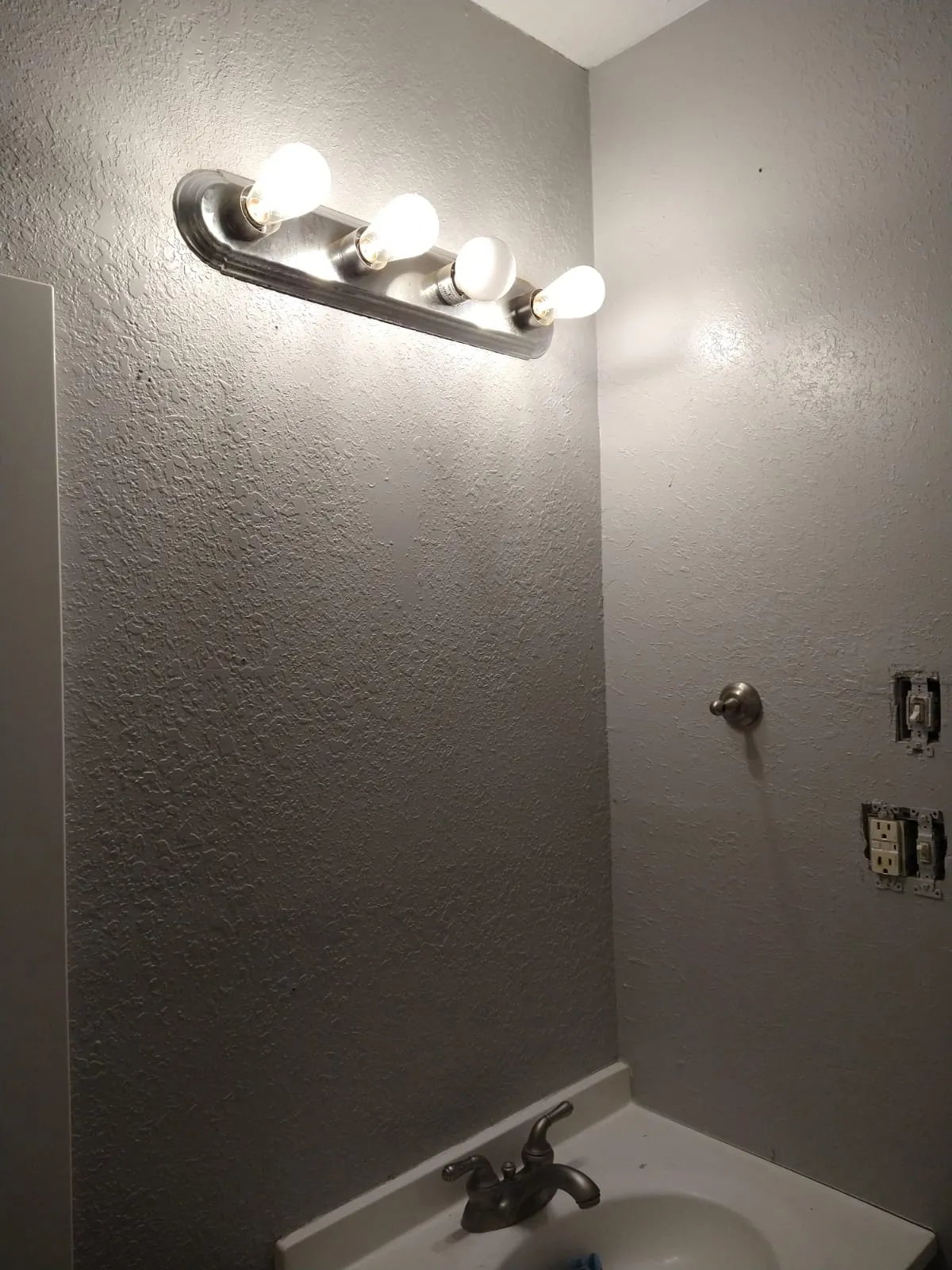
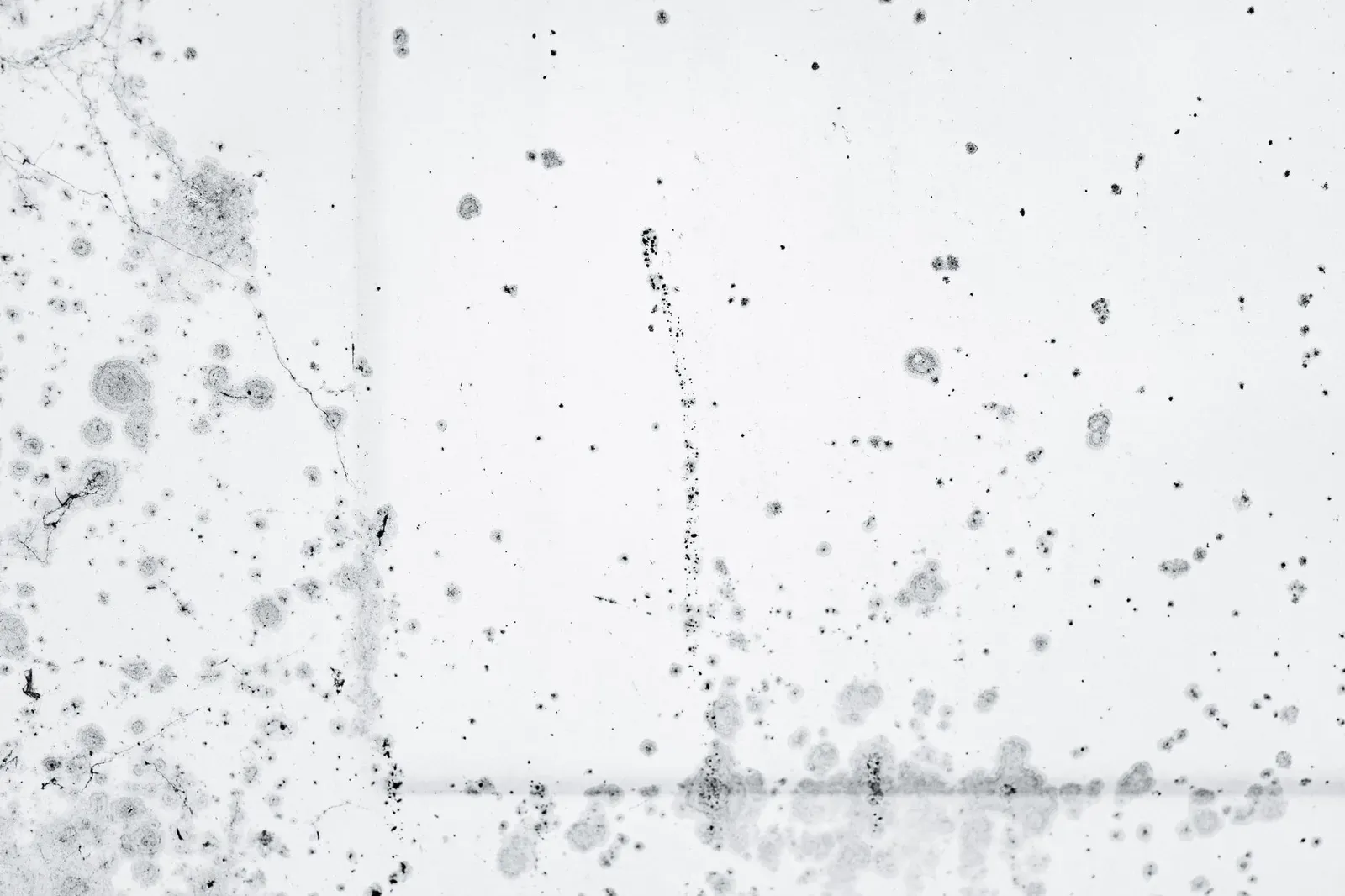
Mold on a bathroom ceiling is one of the most common things homeowners in Vancouver, WA and Camas ask us about once the rain starts. You look up from the shower one morning and there's a patch of gray or black dots over the tub. Or the paint has a yellow ring that wasn't there in August. Now you're wondering whether to scrub it, paint it, or tear it out.
We're a drywall crew, not a mold remediation company, so we'll say up front what we do and what we don't. This post covers why bathroom ceiling mold shows up, how to tell a surface problem from a board problem, and where drywall repair fits in after the moisture is dealt with.
Why Bathroom Ceilings Grow Mold
A bathroom ceiling sits right where steam goes. Hot shower air rises, hits the cooler ceiling surface, and turns back into water. If the room stays humid for long, the paint and the paper face of the drywall stay damp. Mold needs moisture to grow, and the EPA's guide to mold and moisture puts it simply: the key to mold control is moisture control.
Three setups cause most of the bathroom ceiling mold we see around Clark County. The first is an exhaust fan that's too weak, too old, or switched off the second the shower ends. The second is a ceiling below a cold exterior wall or an attic with thin insulation, where the surface stays cold enough to collect condensation.
The third is a slow leak from above, like a supply line, a vent pipe, or a roof problem.
That third one matters most. A fan problem shows up as spots that spread from the center of the ceiling. A leak shows up as a stain with a defined edge, often brown, that grows after rain or after someone uses the bathroom upstairs. Our post on water-damaged ceilings and drywall walks through how to read those stains.
Surface Stain or Damaged Board?
When you're deciding what to do about mold on a bathroom ceiling, the first question is whether the problem is only in the paint or whether it has gone into the drywall. You can't see inside the board, but the ceiling gives you clues.
The mark may be on the surface if the ceiling feels hard and flat, the paint is smooth, and the spots are small and sit in one area. This is common in a bathroom with a weak fan and no other water source.
The board may be damaged if you see any of these signs:
- The ceiling feels soft, spongy, or crumbly when you look at it from a stepladder.
- The paint is bubbling, peeling, or has a sagging bulge.
- The drywall paper is torn or flaking.
- The spots come back within weeks after being cleaned.
- The stain keeps growing and has a brown ring around it.
Don't poke at it hard to find out. Pressing on a wet ceiling can break it open and drop material on you. Take a few photos, write down when you first noticed it, and let a pro decide how to open it up.
What the EPA and Washington State Say to Do First
We don't give cleaning or health advice, because that belongs to public health agencies and the people who do remediation for a living. Here's where to read the official guidance.
The EPA's mold cleanup page says to fix plumbing leaks and other water problems as soon as possible and to dry everything completely.
It says absorbent or porous materials such as ceiling tiles and carpet may have to be thrown away if they become moldy. It also says that if the moldy area is bigger than about 10 square feet, or there has been a lot of water damage, you should look at professional guidance instead of handling it yourself.
The Washington State Department of Health has its own mold page for homes. It points to stopping leaks, using exhaust fans in bathrooms, and not painting or caulking over mold. If anyone in your home has health concerns, the EPA suggests talking to a health professional before cleanup starts.
When to Call a Remediation Specialist First
Some situations need a mold remediation specialist before any drywall contractor shows up. Ask for one if the area is large, if the mold sits in a hidden spot like inside a wall or above the ceiling, if the water was dirty, or if you can't tell what the source is. The EPA and the Washington DOH both draw the line around 10 square feet.
That's a good rule to carry in your head.
We'd rather tell you that than take a job that isn't ours.
A remediation company handles the mold itself, including containment and removal. We come in after that. Once the specialist signs off and the source of the water is fixed, we can cut out and replace the damaged drywall, tape it, and finish it.
On many jobs that means working alongside the remediation crew, a plumber, or an HVAC contractor, and we're happy to do that.
If you're not sure which call to make first, send us photos of the ceiling. We'll tell you what we see and whether it sounds like a drywall job or a specialist job.
When the Drywall Has to Come Out
Replacement is the answer when the board is soft, sagging, crumbling, or stained all the way through. Painted-over damage doesn't come back to solid just because it looks fine again. Wet drywall that stays wet loses its strength, and the paper face that mold likes is part of the board.
Here's how that replacement goes on our end, after the moisture source has been fixed and any remediation work is done:
- We cut the damaged section out to clean edges, back to solid framing.
- We check the cavity for wet insulation or framing that's still damp. If something isn't dry, the job waits.
- We hang new board. For a bathroom ceiling, we'll talk with you about moisture-resistant board, and our guide to the types of drywall explains the options.
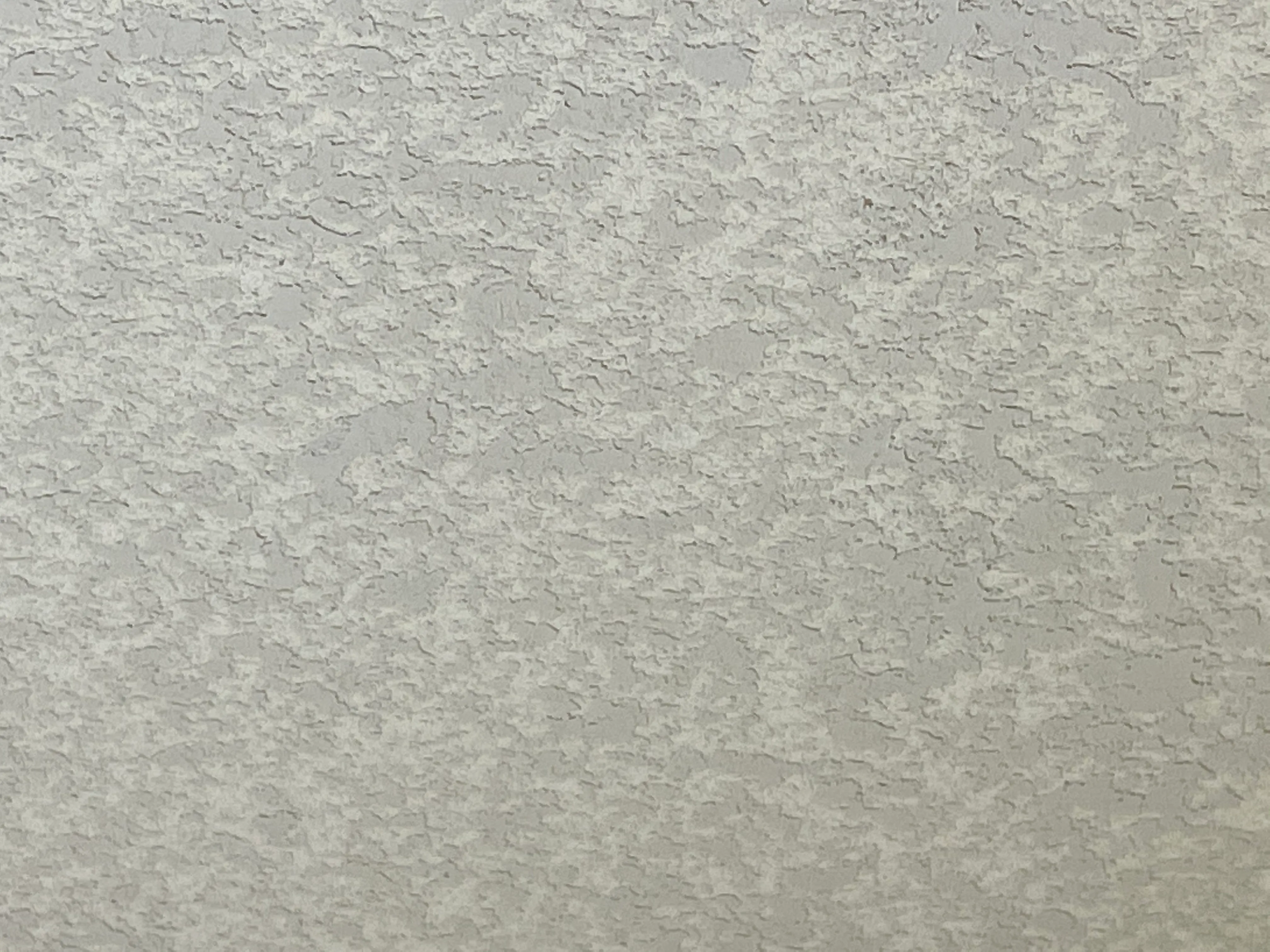
- We tape, mud, and sand the seams, then match the ceiling texture so the repair disappears. Our post on matching drywall texture after a repair explains how that works.
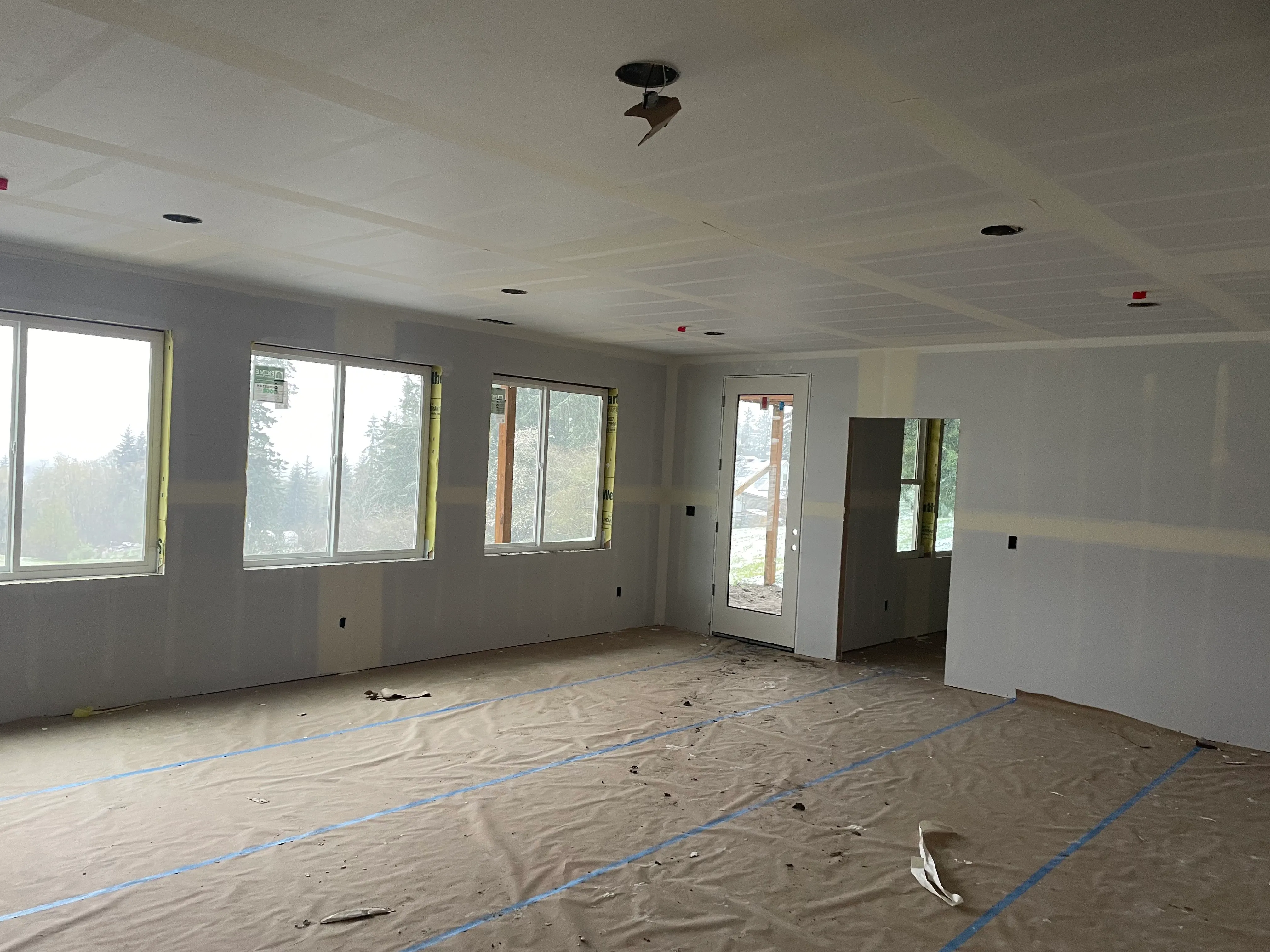
Most of the time only a section of ceiling comes down, and the rest of the room stays untouched. That's the work our drywall repair service covers, and we handle it in homes across Vancouver, WA, Camas, and the rest of Clark County.
Why a Coat of Paint Isn't the Fix
Painting over bathroom ceiling mold is tempting, and it's the first thing most people try. A can of bright white paint takes an afternoon. The trouble is the water source is still there. The Washington DOH says plainly not to paint or caulk over mold, and the EPA says the same about painting over moldy surfaces before they've been cleaned and dried.
Paint does have a job in this repair. Once the ceiling is dry, solid, and finished, a coat of paint made for bathrooms helps it hold up to daily steam. Our painting service covers that final step. That makes it the last step of the repair.
If you paint a stain that comes from a leak, you'll see it again. Brown rings bleed through, and they usually show up sooner than you expect.
Keeping Bathroom Ceiling Mold From Coming Back
New drywall doesn't help if the same steam hits it every morning. A few habits make a big difference in a damp climate like Southwest Washington.
Run the bathroom fan during every shower and keep it going afterward. The EPA's mold and moisture guide says to run the bathroom fan or open a window when showering. It also gives a target for indoor humidity, below 60 percent and ideally between 30 and 50 percent, and says a cheap humidity meter can track it.
Check that the fan actually moves air. Hold a square of tissue up to it. If the tissue doesn't hold against the grille, the fan may be weak or the duct may be blocked or disconnected. Swapping or fixing a fan is a job for a qualified electrician or HVAC contractor, and we'll gladly work around them.
Finally, dry things fast. The EPA says to dry water-damaged areas and items within 24 to 48 hours. If you spot a leak, shut the water off and call a plumber that same day.
What to Tell Your Drywall Contractor
A good phone call saves a lot of time. When you contact us about a bathroom ceiling, have these details ready:
- How big the affected area is, and whether it's one spot or several.
- When you first noticed it, and whether it's growing.
- Whether there's a bathroom, attic, or roof above the ceiling.
- Whether the fan works, and how long it runs.
- Whether a plumber or remediation company has already been out.
Photos of the ceiling and of the whole room help too. We'll let you know what we think the repair involves, and we'll tell you honestly if the next call should go to someone else.
If you're in Clark County and your ceiling needs to be cut out and replaced after the moisture problem is handled, send us a message and we'll take a look.
Common Questions
Can I just paint over mold on a bathroom ceiling?
No. The Washington State Department of Health says not to paint or caulk over mold, and the EPA says moldy surfaces should be cleaned and dried first. Paint also doesn't fix the moisture that caused the problem, so the stain tends to return.
When does bathroom ceiling drywall need to be replaced?
Drywall needs to come out when it's soft, sagging, crumbling, or stained all the way through, or when the same spot keeps coming back after the moisture problem has been fixed. Firm, dry board with a surface mark may only need cleaning and refinishing, and a repair pro can help you tell the difference.
Do you remove mold in Vancouver, WA bathrooms?
We do drywall repair and replacement. We don't do mold remediation. If the mold is widespread, hidden, or from dirty water, a remediation specialist should handle it first, and we'll replace the drywall once the source is fixed and the area is cleared.
How big is too big to handle myself?
The EPA and the Washington State Department of Health both point to about 10 square feet, roughly a 3 foot by 3 foot patch. Above that, or when there's a lot of water damage, look at professional help. Check their pages for current guidance.
Will the mold come back after the drywall is replaced?
It can if the moisture is still there. Fix the leak or the ventilation first, run the fan during and after showers, and keep indoor humidity in the range the EPA recommends. New drywall only holds up when the room stays dry.