How long drywall repair takes, by job type
A single drywall patch takes two to three days. One room hung, taped and textured takes about a week. A whole house runs one to two weeks. The answer to how long does drywall repair take comes down to two things, the size of the opening and how many coats of joint compound go over it, and almost all of that calendar time is compound drying rather than our crew standing in your living room.
Crew time and calendar time are two different numbers, and mixing them up is where most of the frustration starts. We might be in your house for three hours on a patch and you still wait until Thursday to paint it. Here's how the jobs we run most often across Clark County actually land on a calendar.
| Job | Crew time on site | Start to paint-ready |
|---|---|---|
| Single patch, hole or nail pops | Two short visits | 2 to 3 days |
| Ceiling patch around a light or fan | Two to three visits | 3 to 4 days |
| One room hung, taped, textured | 2 to 3 days | 5 to 7 days |
| Whole-house hang, tape and texture | 5 to 8 days | 1 to 2 weeks |
| Popcorn ceiling removal, one room | 2 days | 3 to 4 days |
| Popcorn removal, whole main floor | 4 to 5 days | About a week and a half |
| Close-up after a whole-home repipe | 3 to 5 days | 1 to 2 weeks |
Those are working ranges for a heated house at a normal indoor temperature. Cold and damp stretch every line in that table, and further down we get specific about how much. If you want the detail on what the repair itself involves, our drywall repair page walks through the cut, back, patch and blend on each type of damage.
How long to drywall a room, stage by stage
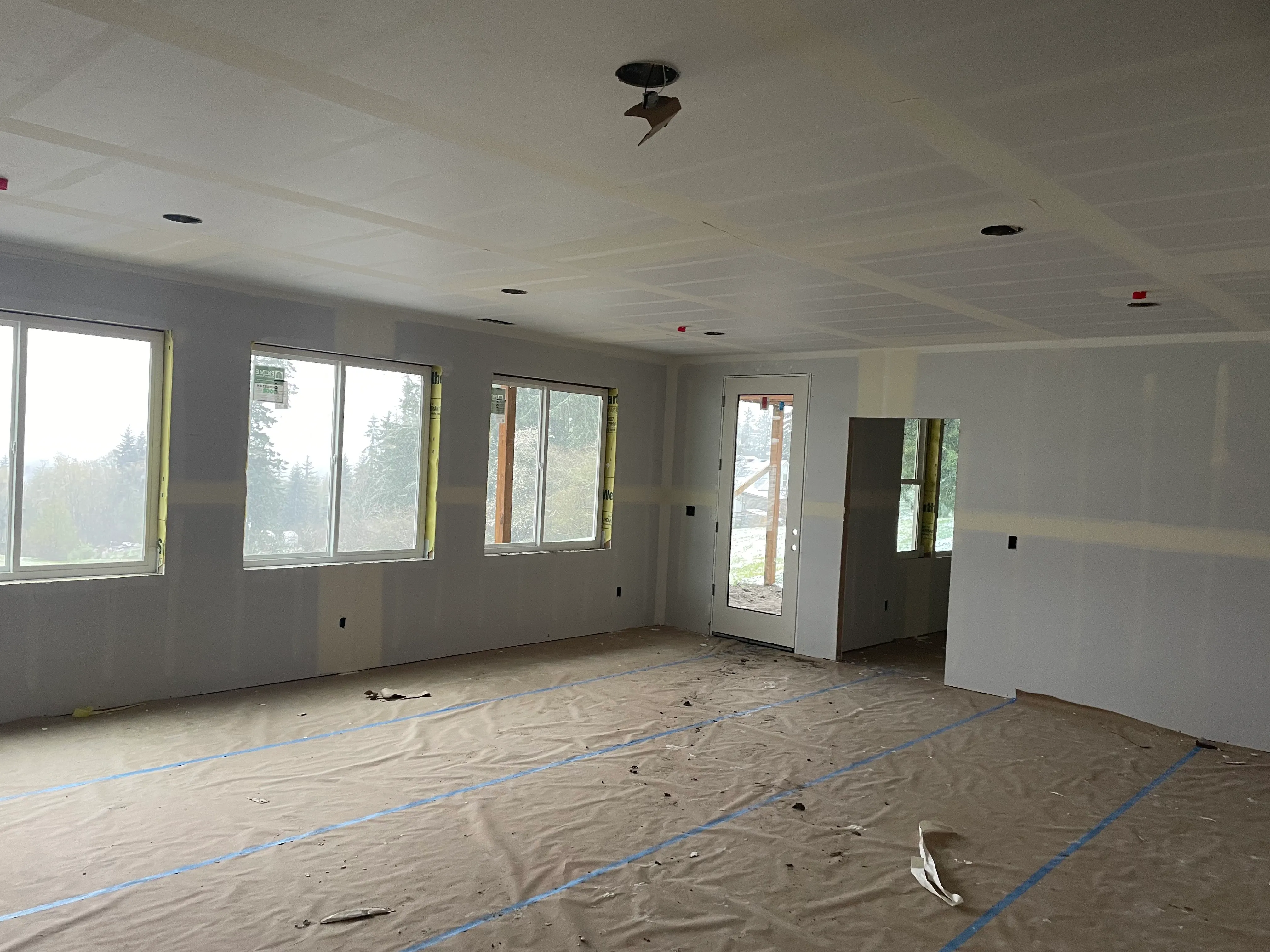
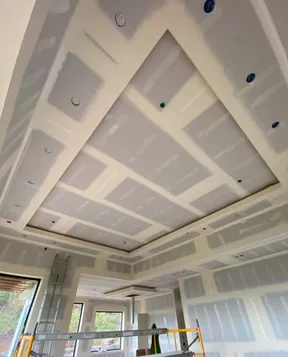
A room moves through six stages and each one has its own clock. Hanging is fast and looks like enormous progress. Everything after it is slow and looks like nothing is happening, which is exactly backwards from how homeowners expect it to feel.
A bedroom takes two to four hours. A whole house takes two to three days. Ceilings go up first, then walls.
Same day or the next morning. Half a day for a room. Tape gets embedded over every seam, corner bead goes on, screw heads get coated.
The next day, once the first coat is dry. A wider knife feathers the seam out eight to ten inches.
A thin skim a day later, wider again, twelve inches or more. A few hours per room.
Two to three hours a room with a vacuum sander. This is the dusty part and the reason plastic goes up on day one.
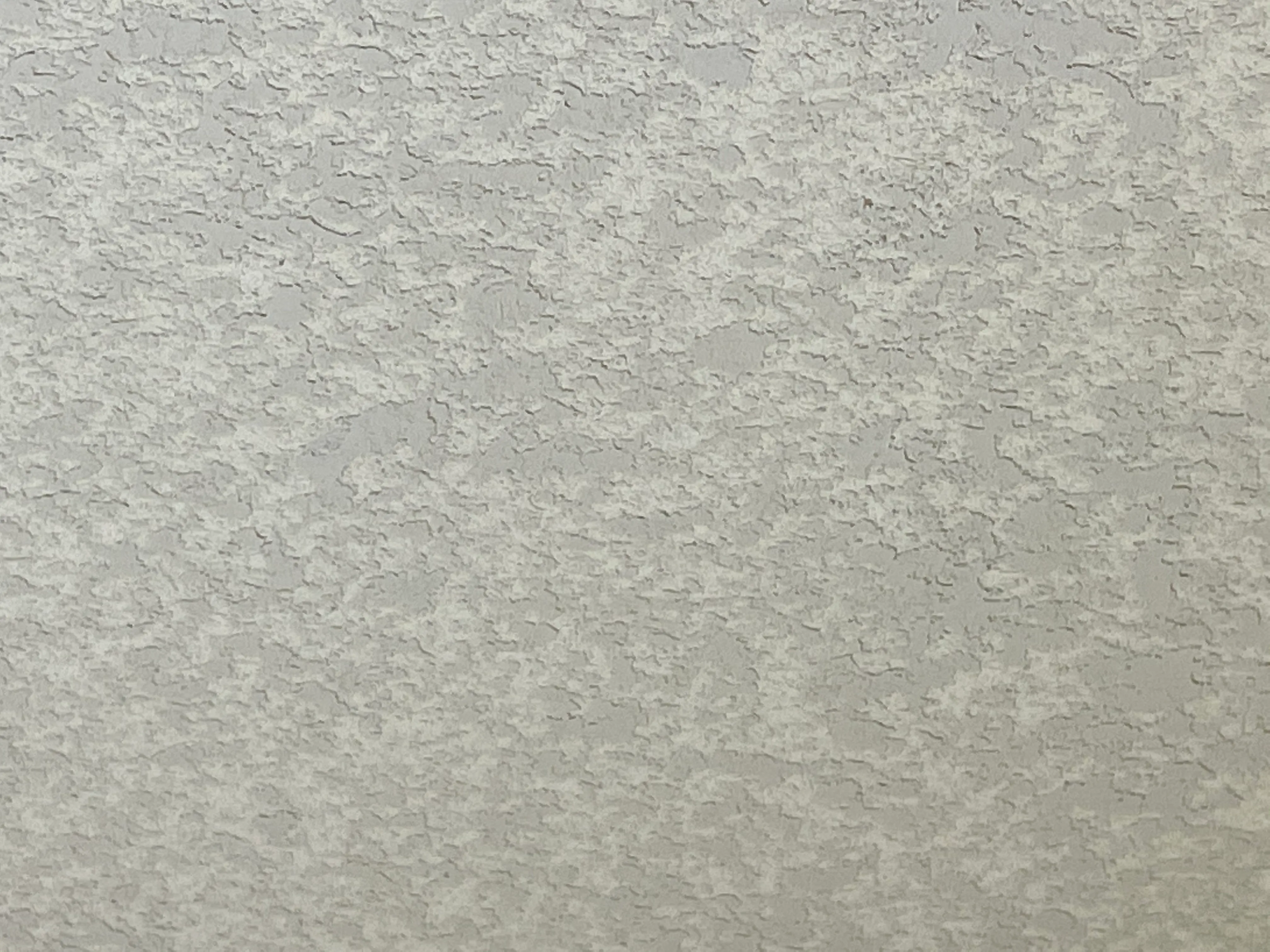
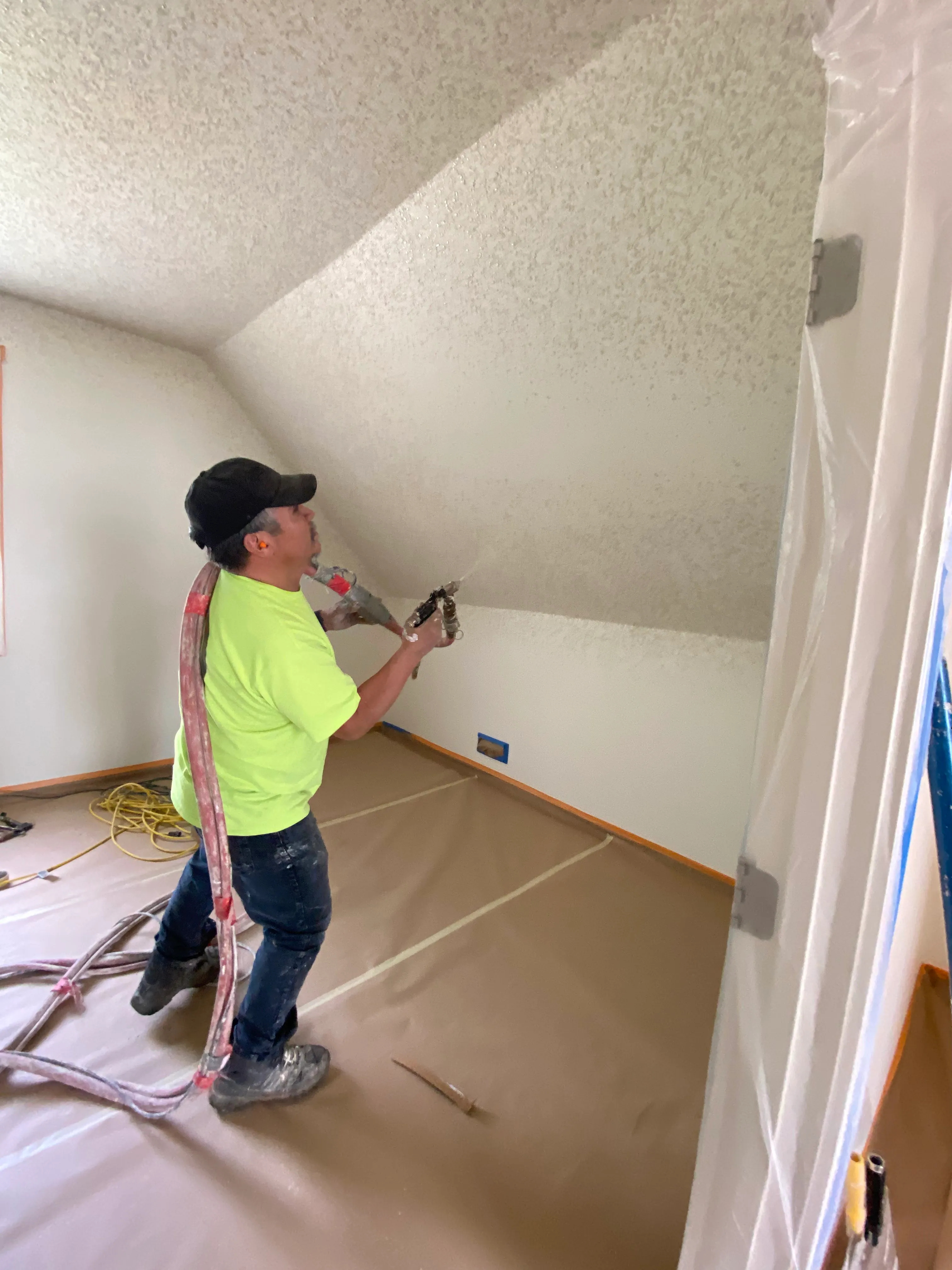
A room sprays in under an hour. Knockdown then sits ten to twenty minutes before the knife flattens it.
Primer 24 hours after texture. Color after primer.
The question we get right after this one is how long before you can paint new drywall. Give the texture a full 24 hours, prime it, then paint. Primer is not optional. Bare joint compound and bare paper drink color at completely different rates, and skipping straight to paint puts a visible ghost of every seam on your finished wall. Our interior painting crew takes the wall from primer through the last coat when you want it handled in one go.
One thing that adds a coat and a day is the finish level you ask for. A level 5 finish gets a full skim across the whole surface, not just the seams, and that skim needs its own dry time before sanding. Our post on drywall finish levels explains when it's worth the extra day and when level 4 is plenty.
Why coats set the schedule, not days
Joint compound doesn't dry the way paint dries. Water has to leave it, the compound shrinks as it goes, and it keeps hardening for a while after the surface feels dry to the back of your hand. In a heated house with air moving, a normal coat is ready to recoat in about 24 hours. A thick fill over a deep patch holds more water and takes longer. Setting compound, the powder you mix on site, works on a chemical clock instead and hardens in 20, 45 or 90 minutes depending on the bag.
Rushing a coat costs you a whole extra one. Compound sanded before it finishes shrinking pulls back over the next few days and leaves a shallow trough along the seam. Under a low-angle light in the evening you'll see it from across the room. The fix is another coat, another dry cycle and another sanding, so saving a day up front usually spends two later. That's the entire reason we quote a repair in days rather than hours.
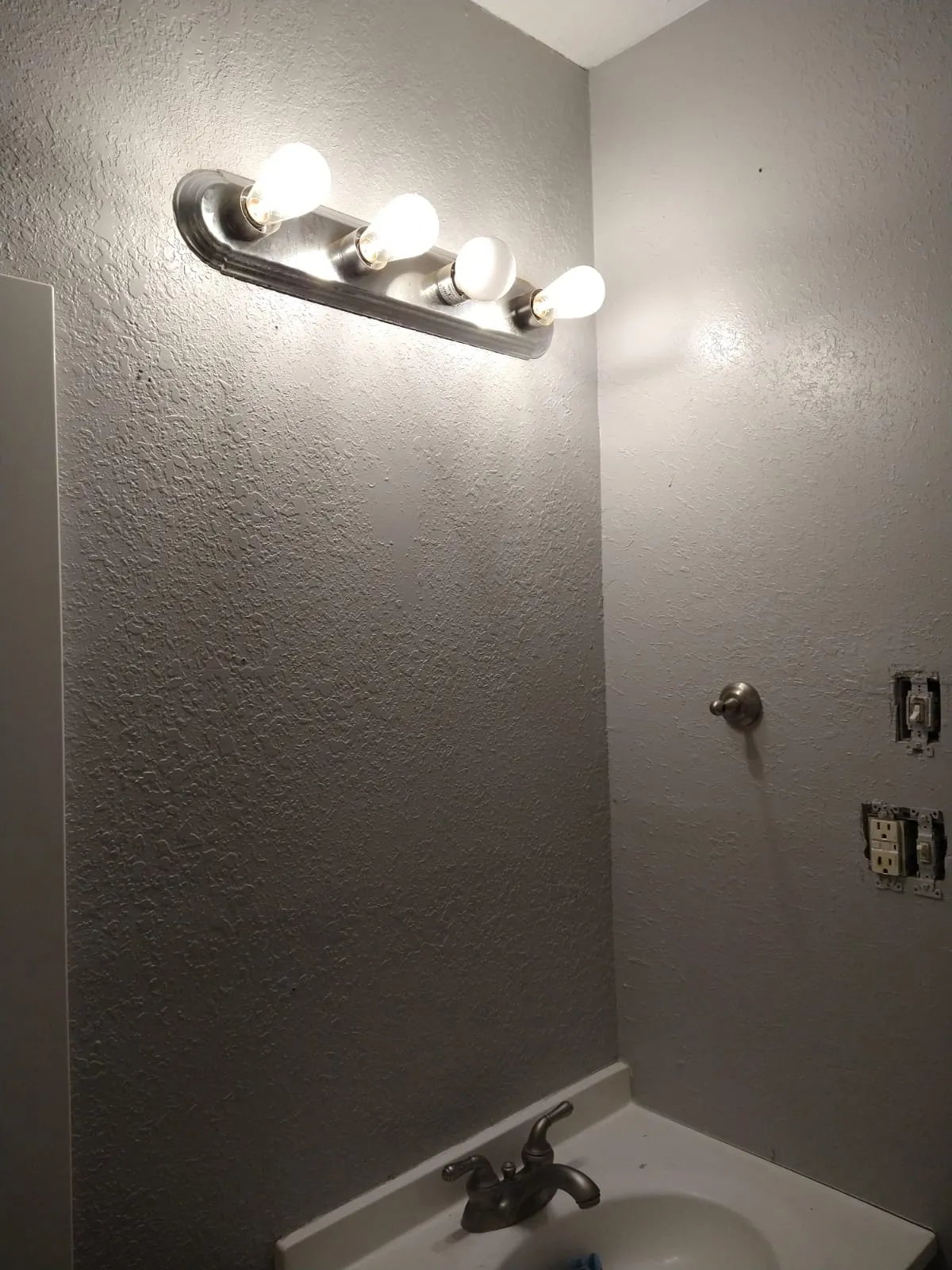
You can see the sequence on our kitchen ceiling patch project, where two patches near a light fixture went from cut-in to mudded to textured to invisible. Four steps, four different days on the calendar, one afternoon of actual work.
Drywall mud drying time in cold weather across Clark County
Joint compound shouldn't be run below 55°F. Between 55 and 70 with a little air moving is where it behaves, and that's the condition every timeline on this page assumes. At 45°F curing nearly stops. Compound that sits cold and wet on a seam overnight will still be soft in the morning, and there's nothing you can do about it except turn on heat and wait.
The practical version: a coat that's ready in 24 hours in ideal conditions needs 48 hours or more in a cold house or an unheated garage. Three coats at that pace turns a four-day room into a week and a half. Nothing went wrong, the compound just needed the time.
Humidity does the same thing from the other direction. Joint compound drying charts show that at 70°F with 98% relative humidity, a coat can take roughly twelve days. That's not a July ceiling in Ridgefield. It's very much a closed-up addition or a basement in November with no heat and no air moving. Warm and damp is slower than most people expect, and it's the condition that catches homeowners who figured winter work would be fine because the house feels comfortable.
When we work through the cold months we bring heat, run fans and put a dehumidifier in the room if it needs one. That's the difference between 48 hours a coat and 24. If your garage or addition has no heat, we tell you that up front and build the extra days into the schedule instead of promising a date we'd miss.
The September to October window, and what changes after Halloween
September into early October is the best stretch of the year for drywall work in Southwest Washington. Days are still warm, the rain hasn't settled in, and you can open a window and get real air through a room. Coats dry on schedule. A five-day room finishes in five days. That's not true of every month here.
After Halloween it changes. Houses stay closed up, unheated garages and additions sit in the 40s, and every stage that ran 24 hours a coat starts running 48. The answer to how long does drywall repair take moves by a few days depending on which month you call. We work all winter and the finished result is identical, but the same room takes longer and the calendar gets less forgiving. Homeowners in Battle Ground and Camas who want a ceiling done before family arrives are usually calling us in September, not the week of Thanksgiving.
What actually slows a drywall repair down
Weather is one variable. Here are the other five that move a drywall repair timeline more than anything else, and every one of them is worth asking about before you agree to a start date.
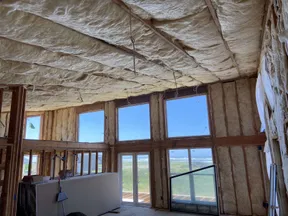
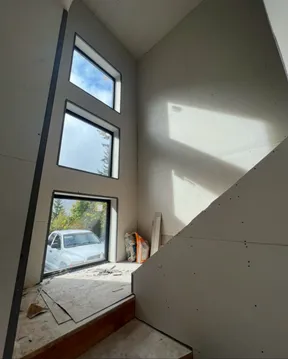
Access and ceiling height. A patch you can reach off a step stool and a patch eighteen feet up a vaulted ceiling are the same square footage and a completely different day. Scaffolding goes up, comes down between coats, and goes back up for the next one. Figure an extra day on a tall ceiling.
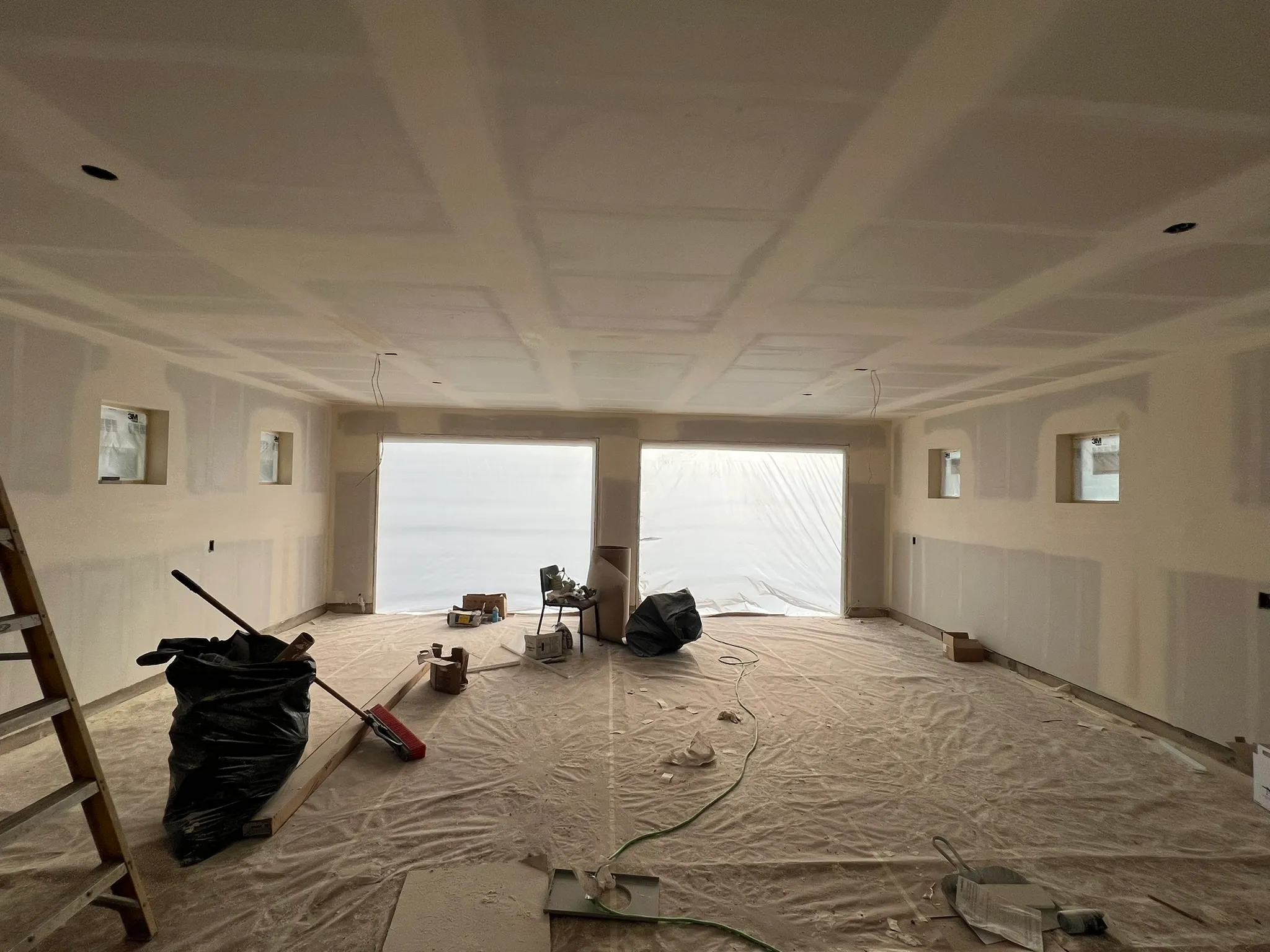
Occupied homes and dust control. Working around your furniture, your kids and your dog is slower than an empty house, and it should be. Plastic goes up, floors get papered, doorways get sealed, and we clean at the end of every day instead of at the end of the job. That care costs a few hours and saves you a week of finding drywall dust in the silverware drawer.
Matching texture on existing walls. A fresh patch on a wall that already has knockdown, orange peel or skip trowel has to match the profile around it or it stands out worse than the hole did. We shoot a test board, hold it against the wall, adjust the mix and the pressure, and shoot again. Our hand texture work is where that extra visit sometimes comes from, and it's the visit worth waiting for.
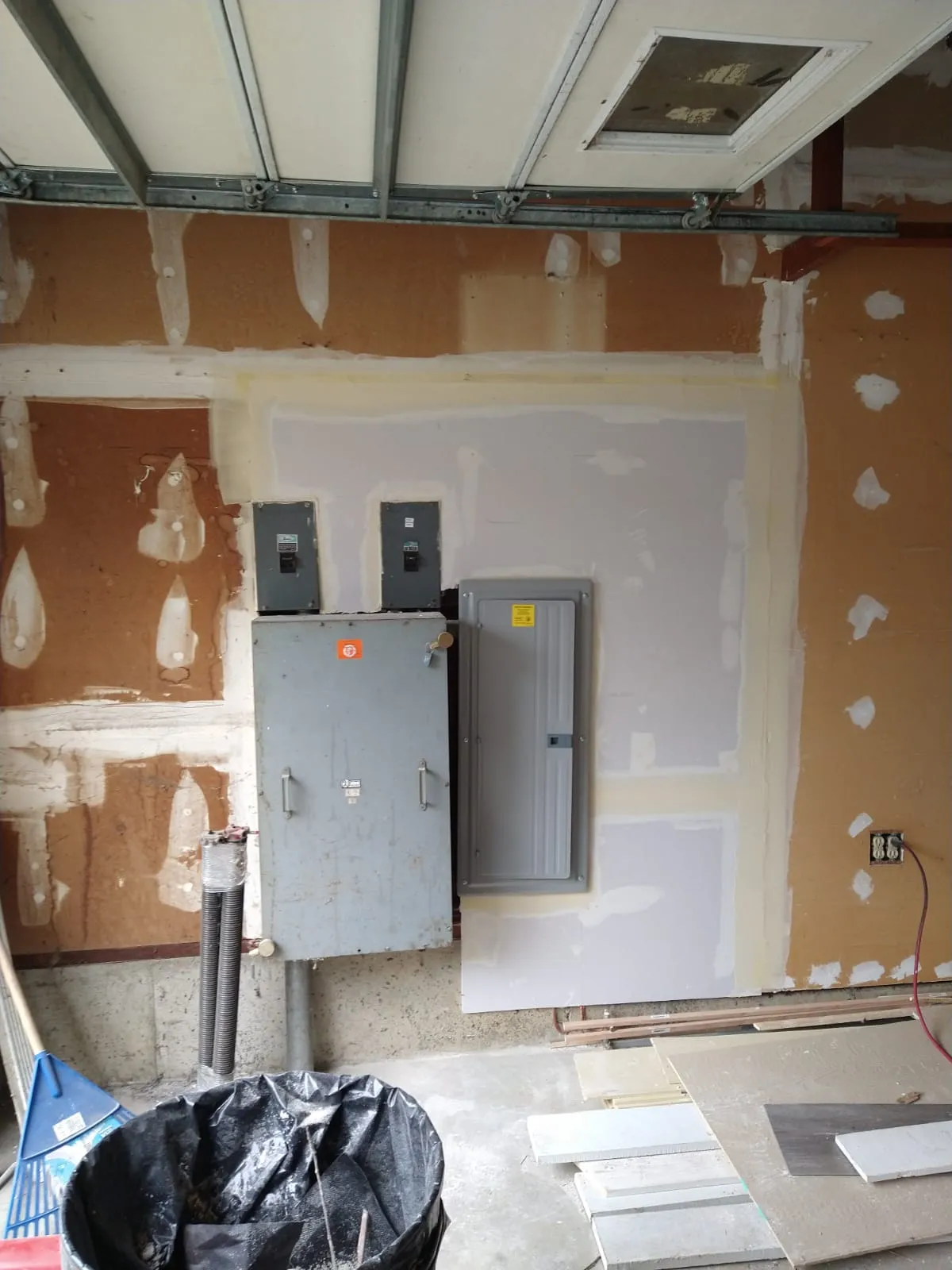
Waiting on another trade. Plenty of our repairs are the last step behind an electrician, a plumber or an HVAC crew. If their rough-in isn't done or an inspection hasn't been signed off, board can't go back up. Our whole-home repipe restoration is a good example, with openings in the hallway, bathroom, kitchen and basement all waiting on the plumber before a single sheet went back on.
Moisture that has to dry first. If a leak caused the damage, the cavity has to be dry before anything gets closed. We meter it. Three to five days of drying with fans before new board goes up is normal, and closing a wet wall just schedules the same repair again next year.
What we need from you before day one
The fastest jobs are the ones where the room is ready when the truck pulls up. Clear the furniture out or pull it to the middle and we'll cover it. Take down anything on the walls, including the pictures in the hallway outside the room, because sanding vibration travels. Put pets somewhere they can't get into plastic or dust. Make sure there's a working outlet in or near the room for the sander and the compressor, and leave us a spot to park near the door so board and buckets aren't carried across the yard.
None of that is complicated, and it's worth half a day on most jobs. Our guide on how to prepare your home for a drywall project goes through the whole list, including what to do about your HVAC returns while we're sanding.
Booking drywall work to be finished before the holidays
If you want a patched ceiling, a finished room or a whole house hung and textured before Thanksgiving, September and October are the months to get on a schedule. Every job is quoted individually after we look at the space, so reach out for a free estimate and we'll walk it with you and give you real dates.
AvilaCo Drywall handles drywall repair and drywall installation for homes across Vancouver, Washington and the rest of Clark County, and we'd rather tell you a job takes eight days and finish in eight days than promise three and disappear on you. Call us at (360) 904-3878 and we'll talk through what your project actually needs.