The short answer
Wall and ceiling texture is the finish that gets applied over your drywall before paint. It changes how a room feels, hides small flaws in the surface, and, on ceilings especially, covers the seams and fasteners so you get one even look overhead. There are a handful of common texture types, and each one has its own look, its own cost, and its own reason for being.
The wall texture types you'll run into most are orange peel, knockdown, and skip trowel, plus smooth walls with no texture at all. On ceilings, you'll see knockdown, popcorn, and light spray textures. We'll walk through each one below so you can put a name to what's on your walls, or pick what you want on your next project.
How wall and ceiling texture is applied
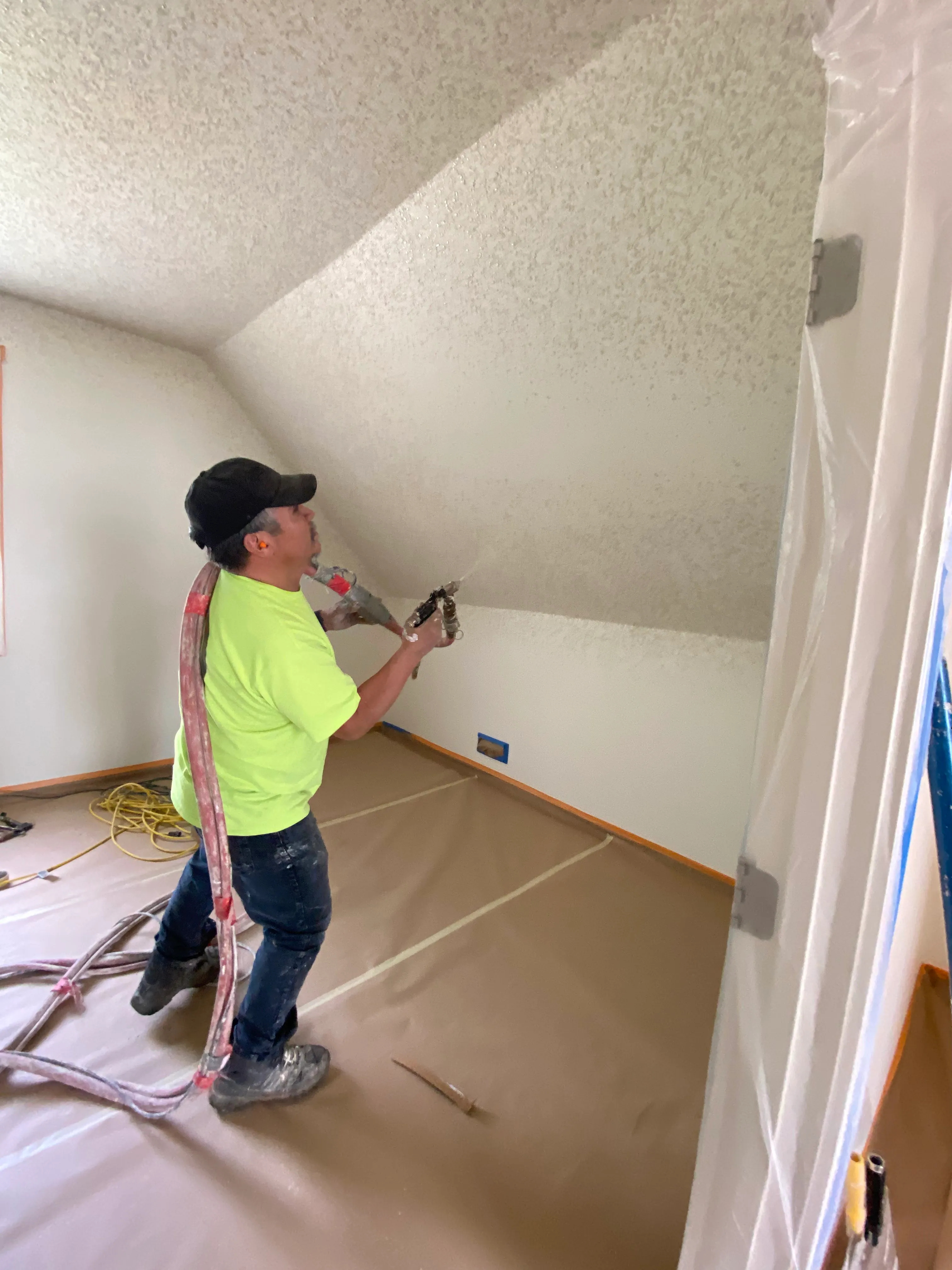
Before the individual textures, it helps to know there are two ways texture goes on. Spray textures are shot onto the wall or ceiling with a hopper gun and an air compressor, which is how orange peel and knockdown start. Hand textures are worked on with a trowel, knife, or brush, which is how skip trowel and the more custom looks are made.
Spray textures are faster and more consistent across big areas, so they cover most walls and ceilings in a typical home. Hand textures take more time and skill, so they show up on custom and higher-end work where the owner wants a specific look. Both take a practiced hand to keep even, which is why texture is one of those jobs that looks simple and absolutely is not.
Orange peel texture
Orange peel is exactly what it sounds like. A fine, bumpy spray texture that looks like the skin of an orange, with no knocked-down flat spots. It's sprayed on and left alone to dry, so it keeps that soft, stippled surface.
It's one of the most common wall textures in newer homes because it goes on quickly, hides minor imperfections, and cleans up easily. It's subtle enough to feel modern without being fully smooth. If you want a little life on the wall but nothing dramatic, orange peel is the easy pick, and it's forgiving to repair down the road.
Knockdown texture
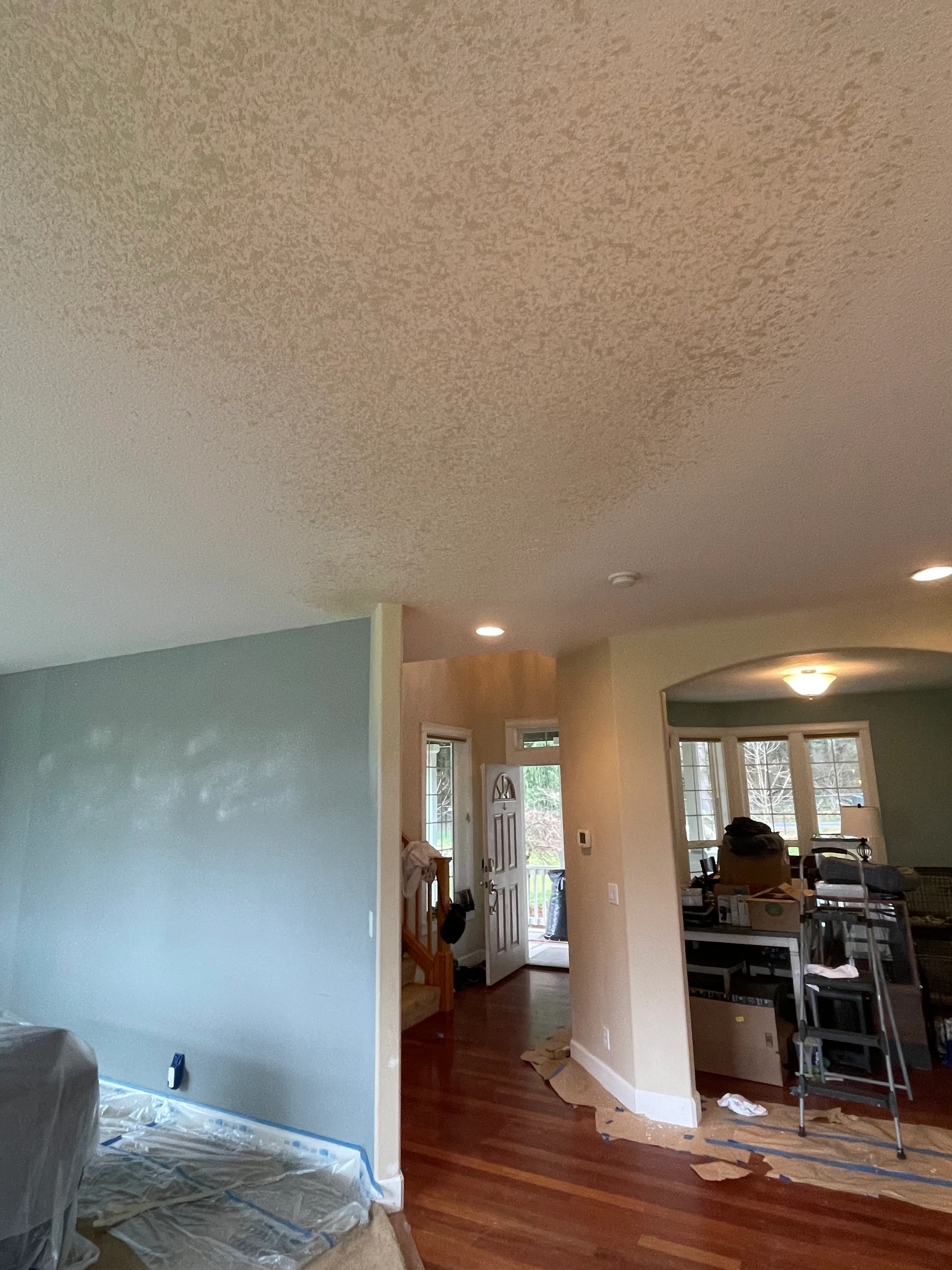
Knockdown starts like a heavier spray texture, then a wide knife or trowel gets dragged across it to flatten, or knock down, the high points. That leaves a mottled, partly flattened pattern with more character than orange peel. It's the busier, more textured cousin.
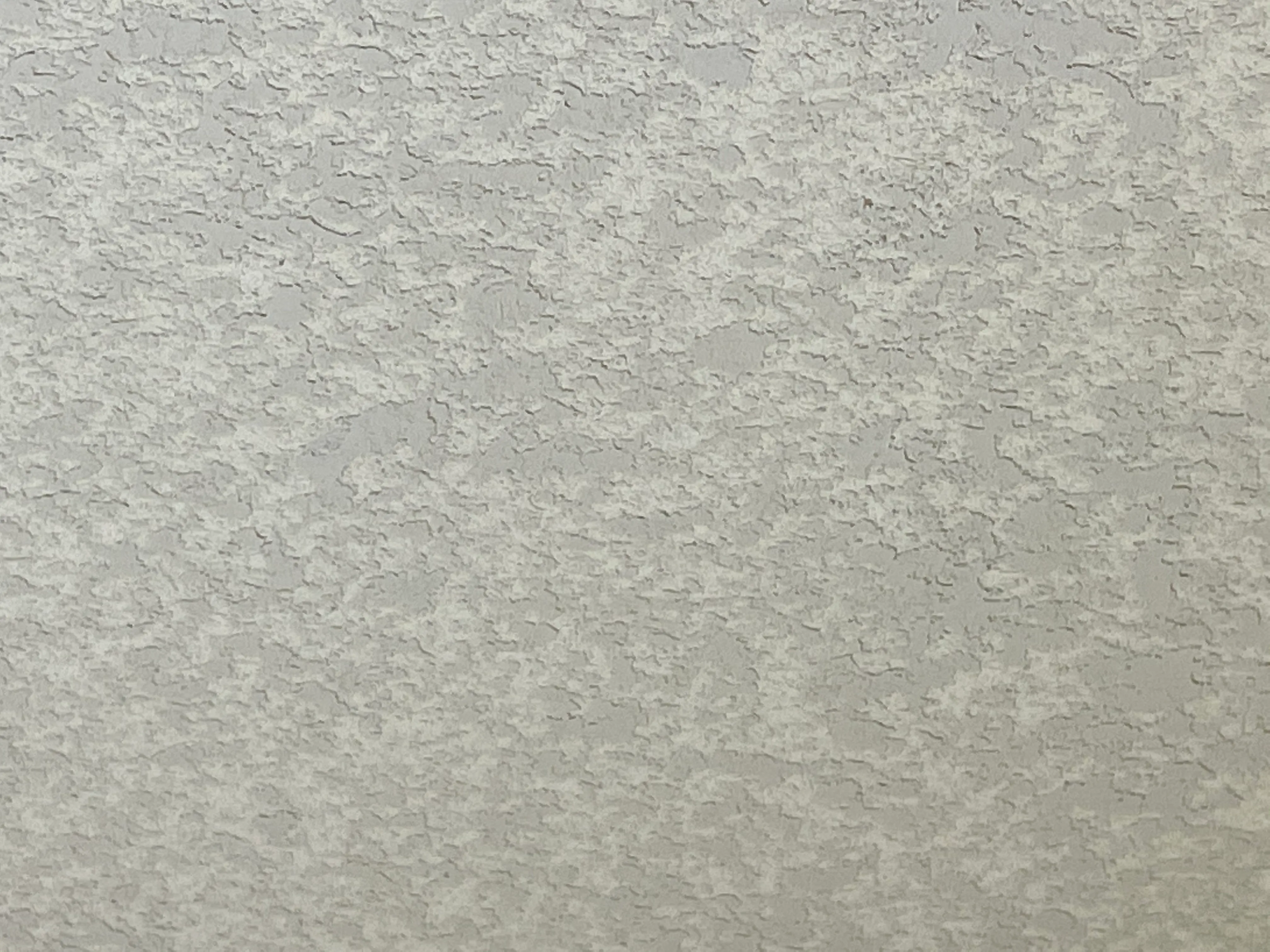
Knockdown is popular on both walls and ceilings because it hides imperfections really well and still reads as a finished, intentional look. It's a favorite around Hazel Dell and across Clark County for exactly that reason. If your surface underneath isn't perfectly flat, knockdown covers a lot of sins. We compare it head to head with the alternatives in our post on knockdown vs orange peel vs skip trowel.
Skip trowel texture
Skip trowel is a hand-applied texture, and it's a step up in craft. Compound gets skimmed onto the wall with a wide, curved trowel in thin, broken strokes, so the finish has flat, rounded patches with low areas between them. It has a handmade, almost Mediterranean feel that spray textures can't quite copy.
Because it's done by hand, skip trowel costs more and takes longer than a sprayed finish. But for a custom home or a room where you want the walls to feel special, it's worth it. No two skip trowel walls are exactly alike, and that's part of the appeal. This is the kind of finish our crew hand-works when a homeowner wants something beyond the standard spray.
Popcorn ceiling texture
Popcorn, also called acoustic or cottage cheese texture, is the heavy, bumpy ceiling finish that was everywhere from the 1960s through the 1990s. It was cheap, hid ceiling flaws, and knocked down sound, so builders used it constantly. These days, most people want it gone.
Popcorn ceilings look dated, they collect dust and cobwebs, and they're a pain to clean or paint. They also can't be repaired invisibly, so any damage stands out. That's why popcorn removal is one of our most requested jobs. If you've got one, our guides on whether popcorn ceiling removal is worth it and whether popcorn ceilings have asbestos are worth a read before you touch it, especially on an older home.
Sand swirl and slap brush texture
A couple of older hand textures still show up, mostly in homes built in certain eras. Sand swirl is a series of overlapping half-circles made with a brush dragged through a sand-and-primer mix, so it has a repeating, fan-like pattern. Slap brush, sometimes called stomp, is made by pressing a stiff brush into wet compound and pulling it away, which leaves a spiky, random pattern.
You don't see these applied much on new work anymore, but if you've got one in an older home around Longview or Kelso and need a repair, matching them takes a hand that's done it before. We can recreate the pattern so a patch blends into the wall around it.
Smooth wall finish (no texture)
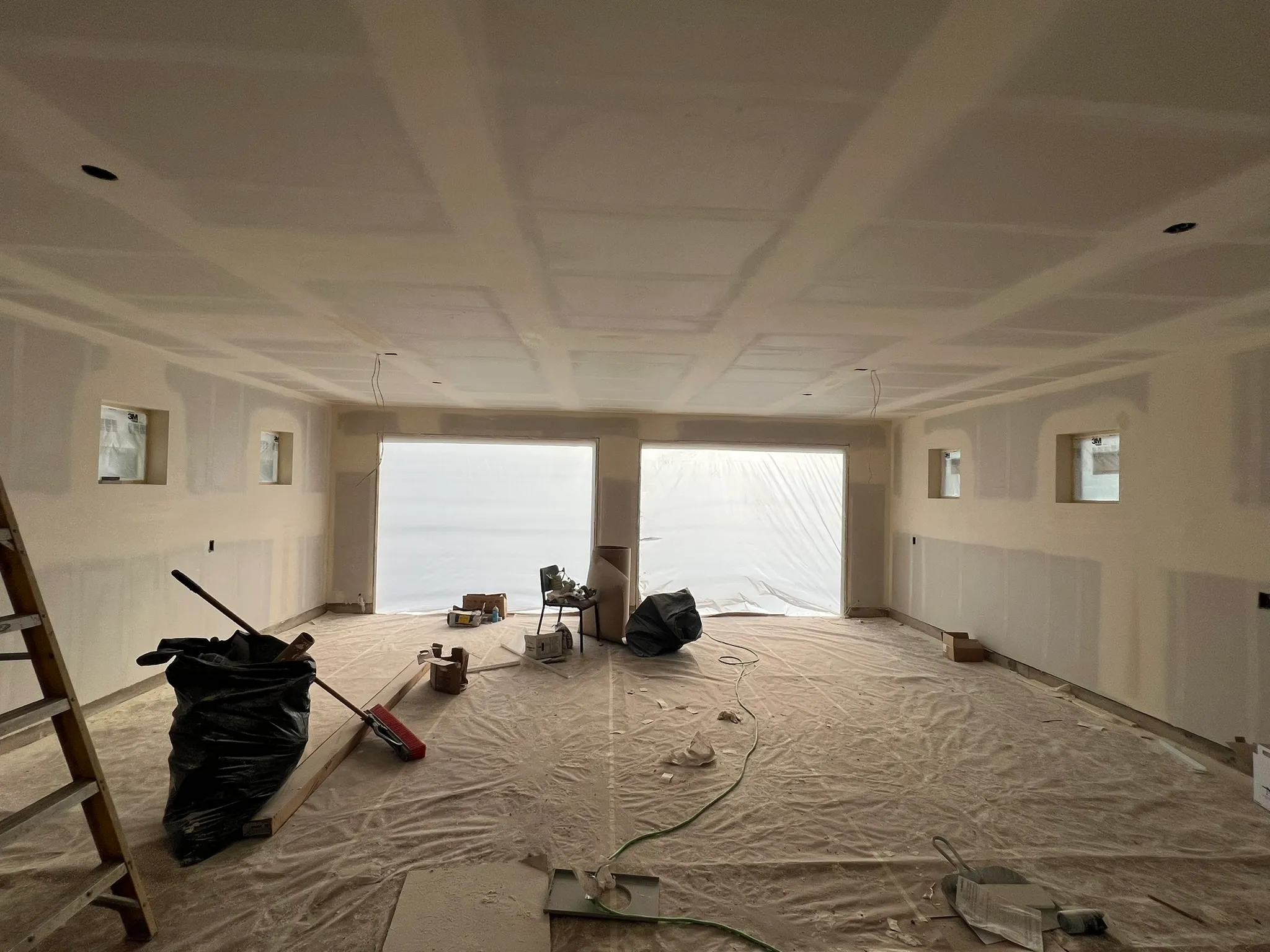
Smooth walls have no texture at all. Just flat, clean drywall taken all the way to a polished finish, then painted. It's the look you see in modern and high-end homes, and it's the most requested finish in remodels right now. A smooth wall feels calm and current, and it lets your paint color and lighting do the talking.
The catch is that smooth is the hardest and most expensive finish to do right. With no texture to hide behind, every seam, screw, and ripple shows under the light, so it takes extra coats of compound, careful sanding, and a good eye. This is what's called a Level 5 finish, and we cover it in our drywall finish levels guide. If you're weighing it against a textured wall, our post on smooth walls vs textured walls lays out the trade-offs.
Ceiling texture types
Ceilings get textured for a practical reason. Overhead, light rakes across the surface at a low angle and highlights every seam and fastener, so a texture evens all of that out into one consistent look. That's why so many ceilings have some texture even in homes with smooth walls.
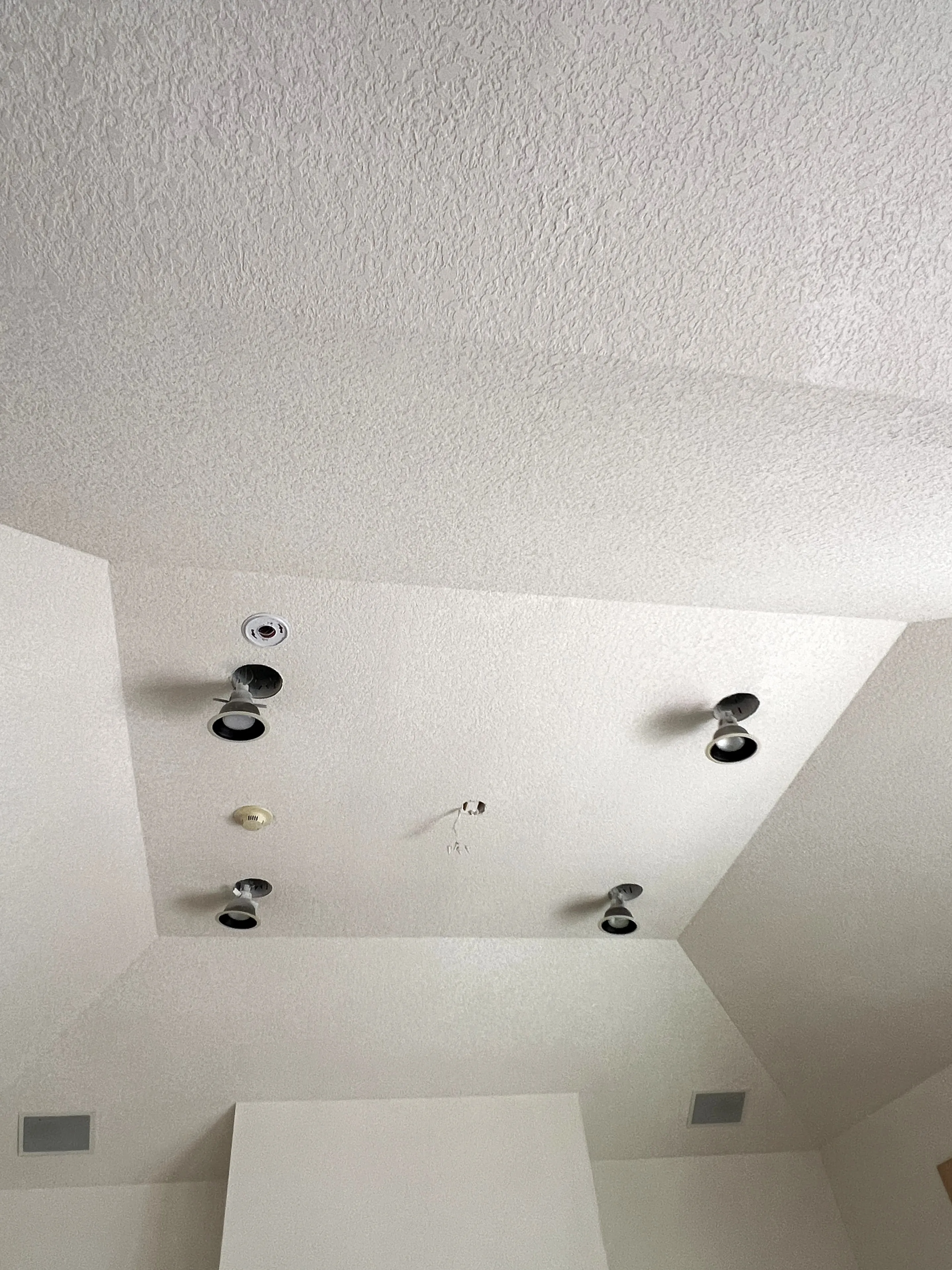
Today, a light knockdown or a fine spray texture is the standard ceiling finish in new homes. It looks clean, hides the work, and doesn't collect dust like popcorn. On a remodel, a lot of homeowners around Washougal ask us to pull the old popcorn and replace it with a modern knockdown or a smooth ceiling, and it changes the whole feel of a room.
How to choose the right wall texture
Start with the look you want. Smooth reads modern and clean but costs the most. Orange peel is a subtle, everyday finish. Knockdown gives you more character and hides the most on a less-than-perfect surface. Skip trowel and the hand textures are for when you want something custom.
Then think about the surface underneath. If your walls or ceilings aren't dead flat, a heavier texture will save you money by hiding what a smooth finish would expose. And think about repairs down the road. Textured walls are easier to patch invisibly than smooth ones, because a good finisher can match the pattern, while a smooth wall shows every touch-up.
AvilaCo Drywall applies and matches every texture in this guide, from a modern knockdown ceiling to a hand-worked skip trowel wall, on homes across Clark County. Whether you're finishing a new build or updating a dated finish, our texture work is a big part of what we do, and matching an existing wall for a repair is bread and butter for our crew. Want to talk through the right finish for your home? Reach out for a free estimate or call us at (360) 904-3878.