The short answer
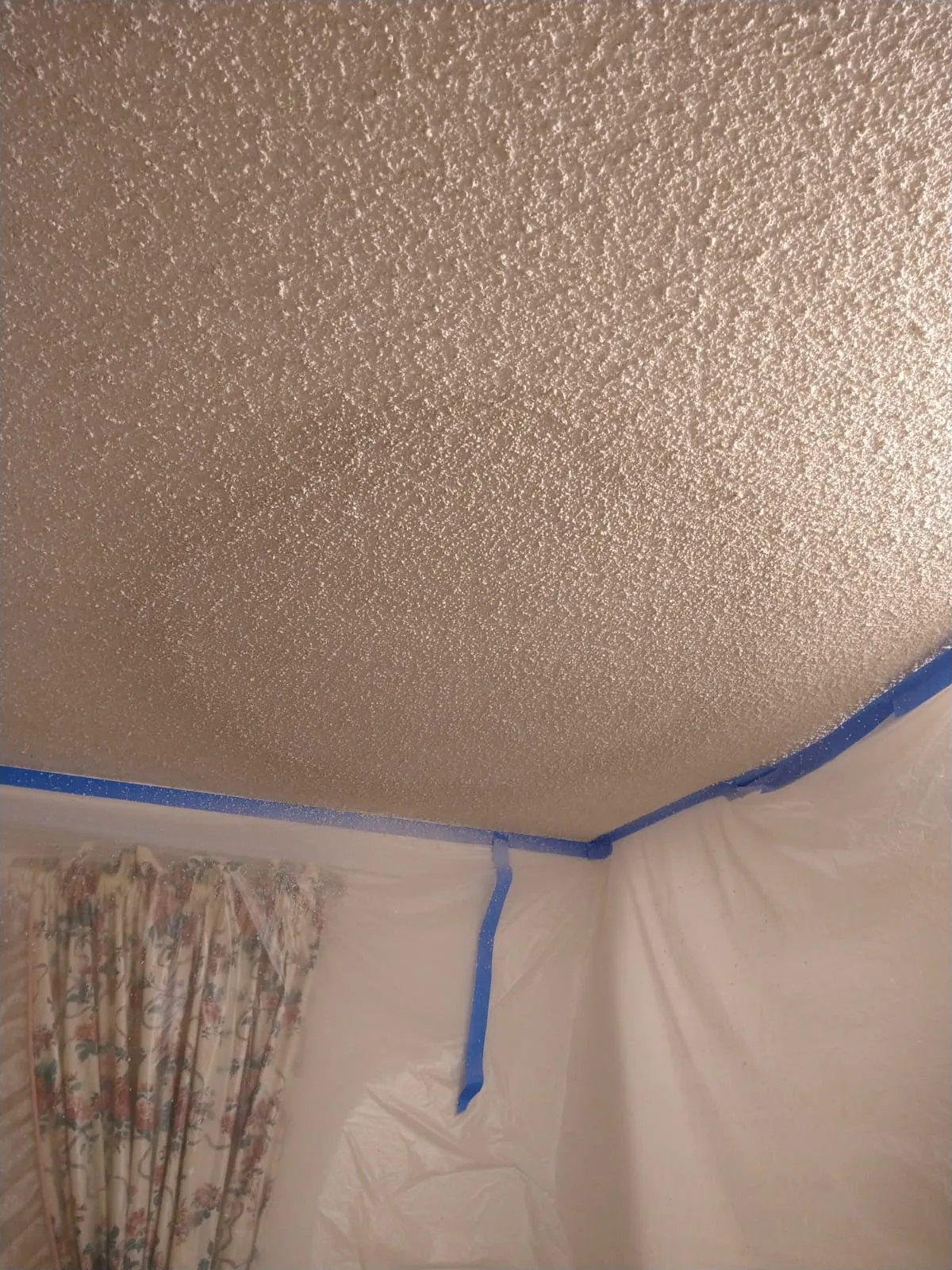
Maybe. Popcorn ceilings installed before the mid-1980s can contain asbestos, and there's no way to know for sure by looking at it. If your home was built before 1980 and still has its original popcorn texture, treat that ceiling as suspect until a lab test says otherwise.
That sounds scarier than it needs to be. An intact popcorn ceiling that nobody is scraping or drilling into is generally low risk. The problem starts the moment someone disturbs it. So before you grab a scraper or hire anyone to remove a popcorn ceiling in an older home, the first step is a test. Not a guess.
Why asbestos was in popcorn ceilings in the first place
Asbestos was a popular building material for decades because it was cheap, fire-resistant, and added strength. Mixed into popcorn ceiling texture, it helped the spray go on thick, hold its shape, and resist fire. For a builder in the 1960s and 70s, it was an easy choice.
Then the health risks caught up with it. Asbestos fibers, when they get into the air and into your lungs, are linked to serious lung disease that can take decades to show up. Asbestos was banned for use in ceiling texture in 1978. But here's the catch. Existing stock didn't disappear overnight. Suppliers and contractors kept using what they had on the shelf into the early 1980s.
Which popcorn ceilings are most likely to have asbestos
Age is the biggest clue. A lot of homes around Hazel Dell, Vancouver, WA, and the older neighborhoods of Clark County went up during the popcorn ceiling era, so this comes up a lot here.
Built before 1980: Treat the popcorn ceiling as suspect and test it before any removal. This is the group that matters most.
Built early to mid 1980s: Less likely, but old stock was still in use, so testing is still the smart call if you're planning to remove or disturb it.
Built mid 1980s or later: Very unlikely to contain asbestos. Testing is usually unnecessary unless you have a specific reason to think the texture was redone with older material.
One thing to keep in mind. If a ceiling has been patched, redone, or covered over the years, the age of the house isn't a perfect guide anymore. When in doubt, test.
You can't tell by looking
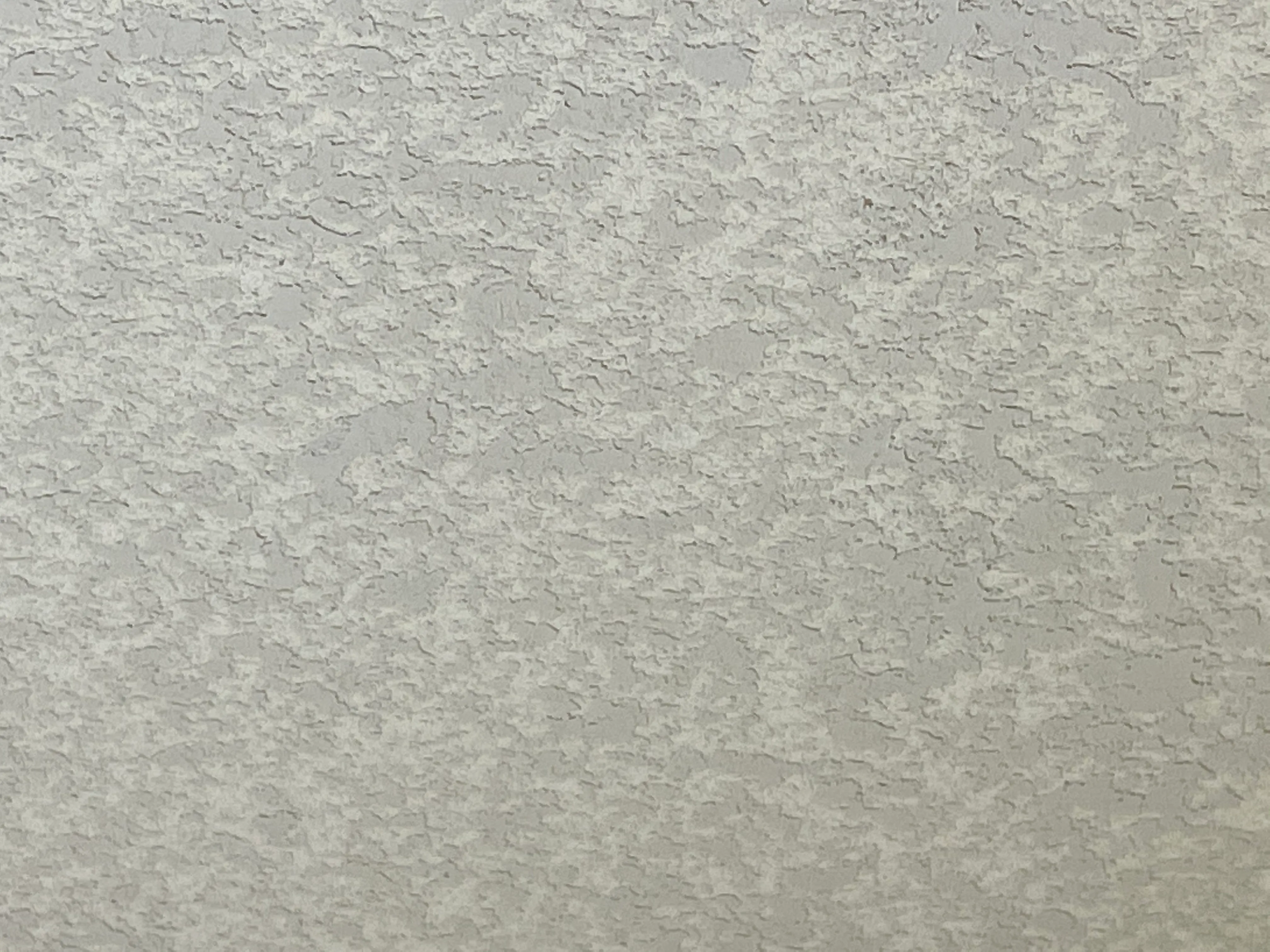
This is the part people get wrong. Asbestos fibers are microscopic. A popcorn ceiling that contains asbestos looks identical to one that doesn't. There's no color, no smell, no texture difference you can spot from a ladder. Anyone who tells you they can eyeball your ceiling and know for sure is guessing.
The EPA's guidance for homeowners is straightforward. Don't disturb material you think might contain asbestos, and don't try to identify it by sight. The only reliable answer comes from a lab.
How to test a popcorn ceiling for asbestos
Testing is simple and cheap, which is exactly why there's no excuse to skip it. A small sample of the texture, about the size of a quarter, gets sent to an accredited lab. They look at it under a microscope and tell you whether asbestos is present. Results usually come back within a few days, and lab testing runs about $25 to $75 per sample.
You can buy a mail-in test kit and take the sample yourself, but here's our honest advice. If you suspect asbestos, the smartest move is to have someone take the sample who knows how to do it without sending fibers into the air. Disturbing a suspect ceiling to grab a careless sample is the exact thing you're trying to avoid. A professional wets the spot, takes a clean sample, and seals it up.
When AvilaCo Drywall gives you a popcorn ceiling removal estimate on an older home, checking whether asbestos testing is needed is part of the conversation. We'd rather slow down and test than rush into scraping something that should have been tested first.
What happens if the test comes back positive
If the test is negative, removal moves forward like any other popcorn ceiling job. If it comes back positive, the rules change, and this is where you want the right people involved.
Asbestos-containing popcorn ceilings have to be removed or sealed by a licensed asbestos abatement contractor following Washington State Labor & Industries rules. In Southwest Washington, asbestos projects also fall under the Southwest Clean Air Agency, which regulates asbestos removal across Clark, Cowlitz, and the surrounding counties and requires notification before the work happens. This isn't red tape for its own sake. It's there to keep fibers out of your air and your neighbors' air.
You usually have two paths from there:
Professional abatement. A licensed crew sets up containment, removes the asbestos texture under controlled conditions, and disposes of it at an approved site. It costs more than standard removal, often two to three times more, because of the containment and disposal requirements. After that, the ceiling is clean and ready for a normal finish.
Encapsulation. Instead of scraping the asbestos off, you cover it. The most common way is installing a new layer of drywall right over the existing ceiling, which seals the asbestos in and gives you a smooth surface. This avoids the scraping entirely. The tradeoff is cost and weight, since new drywall overhead adds load that the framing has to handle.
Is an undisturbed asbestos ceiling actually dangerous?
This surprises people. According to the EPA, asbestos material that's in good condition and left alone generally doesn't release fibers into the air. The risk comes from disturbing it. Scraping, sanding, drilling, cutting, or water damage that breaks the texture down is what frees the fibers.
So if your popcorn ceiling tests positive but it's intact and you're not planning to touch it, leaving it in place or covering it is often the safer choice over a DIY scrape. What you don't want to do is hang a heavy light fixture, run a remodel, or ignore a roof leak that's slowly destroying the texture from above. If you've got water damage on an older ceiling, that's a reason to test sooner rather than later, because the water is already disturbing it.
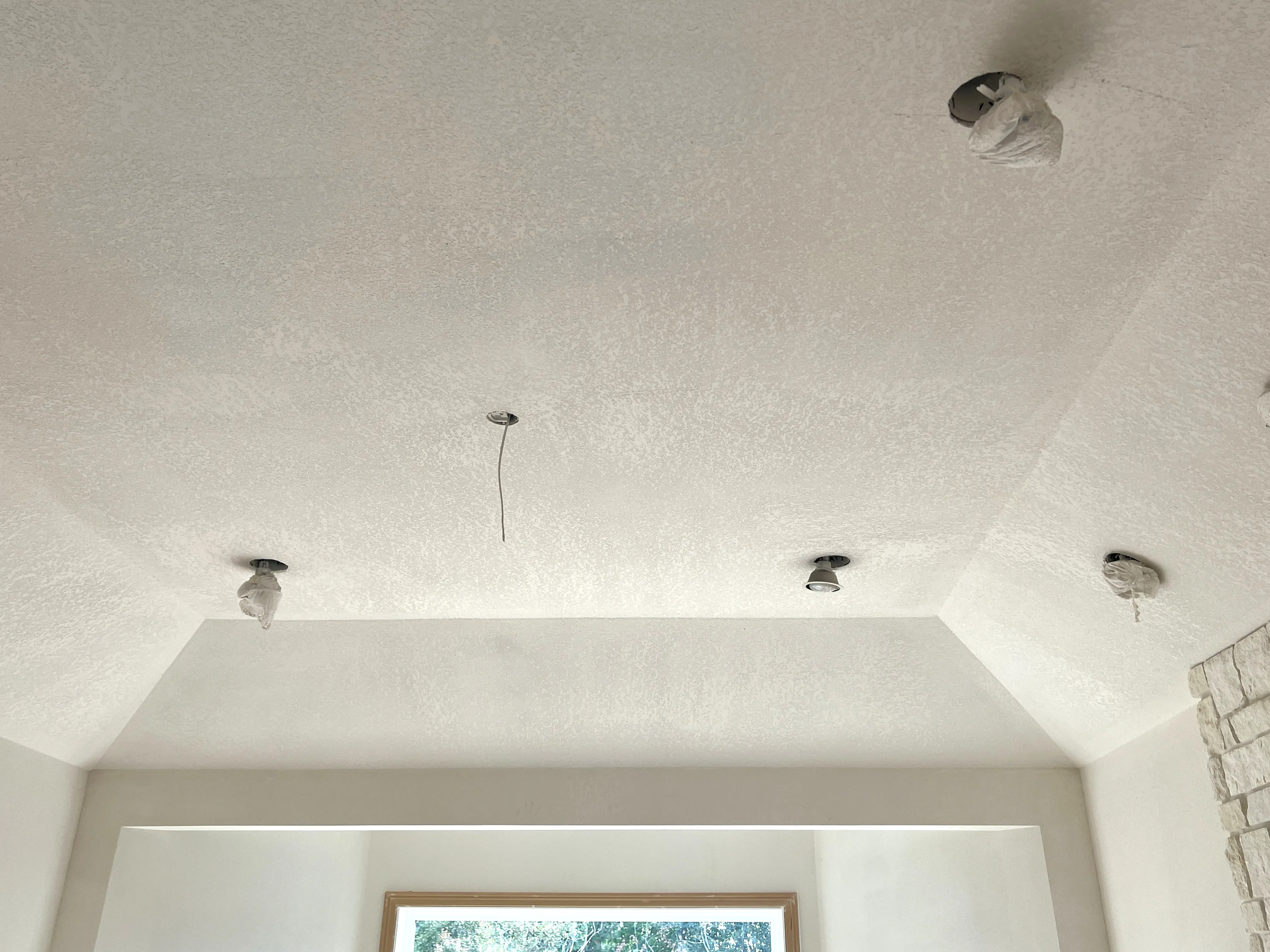
How we handle popcorn ceilings in older homes
We'll say this plainly. AvilaCo Drywall is a drywall and ceiling contractor, not a licensed asbestos abatement company. We don't scrape ceilings that might contain asbestos, and we'd never tell you to skip a test to save a few bucks. That's the kind of shortcut that puts your family's health on the line, and it's not something we'll put our name on.
Here's how it goes. On an older home, we look at the age and condition of the ceiling and tell you straight whether it should be tested. If testing is needed, we help you arrange it. If the result is negative, we get to work removing the popcorn and finishing your ceiling smooth. If it's positive, you bring in a licensed abatement contractor to handle the asbestos first, or you encapsulate it, and then we come in and give you the fresh ceiling you wanted.
We've done popcorn ceiling removal on homes all over Clark and Cowlitz Counties, from Battle Ground and Ridgefield to Longview and Woodland. If you're wondering whether removal is even worth it once the ceiling is cleared, our guide on whether popcorn ceiling removal is worth it breaks down the cost and resale side.
Got an old popcorn ceiling you want gone? Reach out for a free estimate or call us at (360) 904-3878, and we'll start with the right question: should we test it first?